- Information Classification
Advanced Ceramic Materials Proven for Industrial Use
Introduction: The Importance of Advanced Materials
In modern manufacturing, the choice of materials directly affects product quality, durability, and cost efficiency. Advanced ceramic materials have emerged as critical solutions for industries that require components capable of withstanding high temperatures, mechanical stress, and chemical exposure.
These engineered ceramics are used in aerospace, electronics, energy systems, and medical devices, offering superior performance compared to metals and polymers. By integrating ceramic solutions into product design, manufacturers can improve reliability and operational efficiency.
What Are Advanced Ceramic Materials?
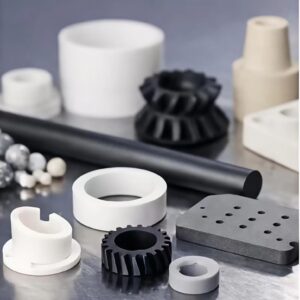
Advanced ceramic materials are engineered inorganic materials designed to deliver high performance in demanding environments. Unlike traditional ceramics, these materials are carefully processed to control microstructure and composition, achieving specific properties such as hardness, thermal conductivity, and chemical resistance.
High-performance ceramics include:
-
Alumina-based ceramics (Al₂O₃)
-
Zirconia-based ceramics (ZrO₂)
-
Silicon carbide (SiC)
-
Silicon nitride (Si₃N₄)
-
Aluminum nitride (AlN)
Each type provides unique benefits for specialized industrial applications.
Key Properties
Mechanical Strength and Durability
Advanced ceramic materials are highly resistant to wear and deformation, making them ideal for high-stress applications such as cutting tools, bearings, and industrial machinery components.
Thermal Stability
These ceramics maintain structural integrity under high temperatures, enabling their use in furnaces, aerospace engines, and other heat-intensive applications.
Electrical Insulation
Many ceramic materials exhibit excellent dielectric properties, making them suitable for electronics and semiconductor substrates.
Chemical Resistance
High-performance ceramics resist corrosion from acids, bases, and other chemicals, ensuring long-term reliability in harsh environments.
Lightweight and Energy Efficiency
Compared with metals, these materials offer superior strength-to-weight ratios, reducing overall energy consumption in applications such as aerospace and automotive parts.
Manufacturing Processes
Powder Preparation
The process begins with high-purity powders to ensure consistency. Impurities are minimized to maintain performance standards.
Forming Techniques
-
Dry pressing for simple shapes
-
Isostatic pressing for uniform density
-
Injection molding for complex geometries
-
Tape casting for thin layers
Sintering
High-temperature sintering densifies the material, improving mechanical and thermal properties.
Precision Machining
After sintering, components are machined to achieve tight tolerances.
Surface Finishing
Polishing and coating enhance durability and aesthetic appearance.
Industrial Applications
Electronics
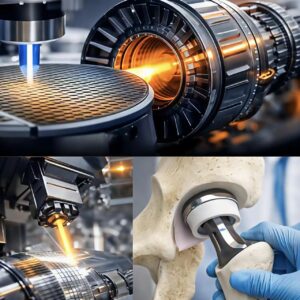
Advanced ceramic materials are used in substrates, insulating components, and semiconductor devices due to their stability and electrical performance.
Aerospace
Engineered ceramics provide thermal resistance and strength for aerospace systems.
Medical
Biocompatibility allows ceramics to be used in implants, surgical tools, and dental components.
Energy Systems
Ceramic solutions are applied in fuel cells, batteries, and power generation components.
Industrial Machinery
Wear-resistant components such as bearings, seals, and cutting tools benefit from high-performance ceramics.
Advantages Over Traditional Materials
-
Extended service life due to wear resistance
-
Stable performance under extreme conditions
-
Reduced maintenance costs
-
Design flexibility and customization options
Advanced ceramic materials provide superior durability and reliability compared to metals and polymers.
Cost Considerations
Although initial investment may be higher, engineered ceramics provide long-term savings. Factors affecting cost include:
-
Material purity
-
Component complexity
-
Manufacturing process
-
Surface treatments
-
Production volume
The total cost of ownership is often lower due to reduced maintenance and longer lifespan.
Quality Control
Reliable suppliers implement:
-
Raw material inspection
-
In-process monitoring
-
Final product testing
Certifications like ISO 9001 and RoHS compliance ensure consistent quality.
Zhengqiang Technology Group: A Trusted Partner
Zhengqiang Technology Group specializes in advanced ceramic materials and precision components, offering global supply and engineering support.
Learn more:
👉 https://www.zqatech.com/
Future Trends
-
Material innovation to expand applications
-
Automation and smart manufacturing
-
Eco-friendly production methods
-
Integration into next-generation electronics and energy systems
Conclusion
Advanced ceramic materials are essential for modern industrial applications. Their combination of strength, thermal stability, and chemical resistance ensures long-term performance.
Partnering with a reliable manufacturer ensures access to high-quality materials and tailored solutions.
Contact Zhengqiang Technology Group today to explore how our engineered ceramics can support your projects and help you achieve global competitiveness.
FAQ
-
What are advanced ceramic materials used for?
-
How do they differ from metals?
-
Are these materials customizable?
-
Are they cost-effective?
-
How to select a reliable supplier?