- Information Classification
Classic Automotive Hardware Engineering and Restoration Guide
In the automotive industry, classic automotive hardware represents more than simple mechanical components. These precision-engineered parts preserve the structural integrity, functionality, and historical authenticity of vintage and classic vehicles. From restoration projects to custom vehicle manufacturing, high-quality automotive hardware plays a crucial role in maintaining performance, safety, and aesthetic value.
As global interest in vintage automobiles continues growing, the demand for reliable classic automotive hardware has expanded significantly. Manufacturers and restoration specialists increasingly require durable, corrosion-resistant, and dimensionally accurate components capable of matching original vehicle specifications while meeting modern quality standards.
Zhengqiang Technology Group is a high-tech enterprise specializing in precision stamping, automotive hardware engineering, intelligent manufacturing systems, and industrial component solutions. With advanced manufacturing technologies and global OEM experience, the company provides reliable classic automotive hardware solutions for restoration, aftermarket, and automotive manufacturing industries worldwide. Learn more at https://www.zqatech.com/

Understanding Classic Automotive Hardware
Classic automotive hardware includes the mechanical fastening and structural components used in vintage and classic vehicles.
These components are widely applied in:
- Vehicle body assemblies
- Interior structures
- Engine compartments
- Chassis systems
- Door and window assemblies
- Trim and decorative structures
Authentic hardware is essential for preserving the original appearance and mechanical functionality of classic vehicles.
Main Categories of Classic Automotive Hardware
Modern restoration projects require a wide variety of hardware components.
Fasteners and Mounting Components
These include:
- Bolts
- Nuts
- Washers
- Rivets
- Clips
- Retainers
Fasteners must provide structural stability while maintaining original dimensional specifications.
Body and Trim Hardware
Body hardware supports:
- Exterior trim installation
- Chrome moldings
- Decorative panels
- Door assemblies
- Hood and trunk systems
Precision manufacturing ensures proper fitment and appearance.
Interior Hardware Components
Interior systems use hardware for:
- Dashboard mounting
- Seat assemblies
- Window mechanisms
- Control panel installation
High-quality hardware improves both durability and restoration authenticity.
Chassis and Structural Hardware
Structural components must withstand:
- Mechanical stress
- Vibration
- Long-term fatigue loading
These components directly affect vehicle safety and stability.
Engineering Design of Classic Automotive Hardware
Modern classic automotive hardware manufacturing combines historical accuracy with advanced engineering technologies.
Dimensional Accuracy
Restoration projects require components that match original OEM specifications.
Critical Engineering Factors
- Precise dimensions
- Correct thread specifications
- Original material thickness
- Accurate geometric tolerances
Dimensional consistency ensures proper installation and functionality.
Material Performance Optimization
Although authenticity is important, modern materials often improve durability.
Common Material Options
- Carbon steel
- Stainless steel
- Brass
- Aluminum alloys
Advanced materials improve corrosion resistance and long-term performance.
Corrosion Protection Engineering
Vintage vehicles are highly vulnerable to corrosion.
Surface Treatment Technologies
- Zinc plating
- Nickel plating
- Black oxide finishing
- Powder coating
- Chrome finishing
Protective coatings significantly improve environmental durability.
Manufacturing Processes
High-quality classic automotive hardware production requires advanced manufacturing technologies.
Precision Metal Stamping
Metal stamping is widely used for producing:
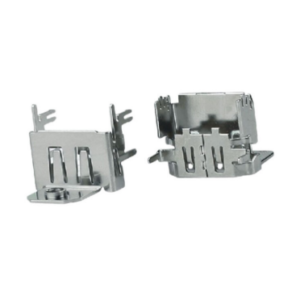
- Mounting brackets
- Clips and retainers
- Reinforcement plates
- Structural support components
Precision stamping improves manufacturing efficiency and dimensional consistency.
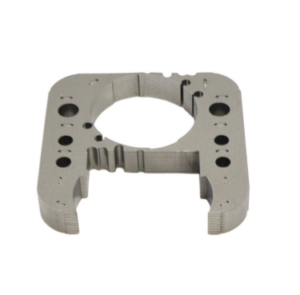
CNC Machining
CNC machining supports:
- Precision thread production
- Tight tolerance control
- Complex geometric structures
Machining technologies improve component accuracy and restoration quality.
Casting and Forging
Some vintage hardware components require:
- Die casting
- Sand casting
- Precision forging
These methods reproduce original component structures and aesthetics.
Surface Finishing Processes
Surface finishing improves:
- Corrosion resistance
- Visual appearance
- Wear resistance
- Historical authenticity
Advanced finishing technologies are critical for premium restoration projects.
Zhengqiang Technology Group integrates intelligent manufacturing systems and precision automotive hardware technologies to ensure reliable classic automotive hardware production. Learn more at https://www.zqatech.com/
Quality Control and Restoration Standards
Reliable quality is essential for restoration and aftermarket applications.
Inspection Procedures
Manufacturers perform:
- Dimensional inspection
- Thread verification
- Surface quality analysis
- Material property testing
- Corrosion resistance evaluation
Comprehensive inspection ensures consistent restoration quality.
OEM Specification Matching
Restoration projects often require:
- Original geometry replication
- Historical appearance consistency
- Matching hardware standards
Precision engineering ensures compatibility with classic vehicle systems.
Applications of Classic Automotive Hardware
Vintage Vehicle Restoration
Restoration specialists use hardware for:
- Body panel assembly
- Interior refurbishment
- Engine compartment rebuilding
- Chassis restoration
Authentic hardware preserves historical vehicle value.
Classic Car Manufacturing
Certain specialty manufacturers continue producing classic vehicle platforms requiring period-correct hardware systems.
Aftermarket Automotive Industry
The aftermarket industry supplies:
- Replacement components
- Upgrade hardware kits
- Decorative trim systems
- Restoration accessories
Demand for premium aftermarket hardware continues growing worldwide.
Custom Automotive Projects
Custom builders use classic automotive hardware in:
- Hot rod projects
- Retro-style vehicles
- Performance restorations
- Specialty automotive fabrication
Precision hardware improves both performance and aesthetics.
Material Selection and Mechanical Properties
Carbon Steel Hardware
Carbon steel offers:
- High structural strength
- Good machinability
- Cost-effective manufacturing
It remains widely used for structural automotive applications.
Stainless Steel Hardware
Stainless steel provides:
- Excellent corrosion resistance
- Attractive surface finish
- Long-term durability
It is increasingly popular in restoration projects.
Brass and Decorative Metals
Brass components are commonly used for:
- Decorative trim systems
- Interior detailing
- Specialty restoration parts
Brass improves historical authenticity and visual appearance.
Industry Trends and Future Development
Growing Restoration Market
Global interest in classic vehicles continues expanding.
This drives increasing demand for:
- Precision reproduction hardware
- OEM-quality restoration components
- High-durability materials
Digital Manufacturing Technologies
Modern manufacturing increasingly integrates:
- 3D scanning systems
- CAD/CAM engineering
- Intelligent quality inspection
Digital technologies improve reproduction accuracy.
Sustainable Manufacturing
Manufacturers increasingly adopt:
- Environmentally friendly coatings
- Energy-efficient production systems
- Recyclable materials
Green manufacturing practices continue becoming industry standards.
Why Choose Zhengqiang Technology Group?
Zhengqiang Technology Group provides advanced classic automotive hardware solutions including:
- Precision metal stamping technologies
- CNC machining and tooling engineering
- High-quality surface finishing systems
- OEM and ODM manufacturing support
- Global automotive supply chain capabilities
With strong engineering expertise and advanced manufacturing technologies, the company supports restoration specialists, aftermarket suppliers, and automotive manufacturers worldwide. Visit https://www.zqatech.com/ to learn more.
Conclusion
Classic automotive hardware remains essential for preserving the authenticity, reliability, and structural integrity of vintage and classic vehicles. Through advanced engineering, precision manufacturing, optimized material selection, and high-quality surface treatment technologies, modern hardware manufacturers can reproduce reliable components that meet both historical restoration standards and modern durability requirements.
As the global classic vehicle market continues growing, demand for high-quality automotive hardware solutions will remain strong across restoration, aftermarket, and specialty automotive industries.
FAQ
What is classic automotive hardware?
It includes mechanical fastening and structural components used in vintage and classic vehicles.
Why is dimensional accuracy important?
Precise dimensions ensure proper fitment, functionality, and restoration authenticity.
What materials are commonly used?
Carbon steel, stainless steel, aluminum alloys, and brass are widely used.
How is corrosion resistance improved?
Through zinc plating, chrome finishing, powder coating, and other surface treatment technologies.
Where can I find reliable classic automotive hardware solutions?
Visit https://www.zqatech.com/
📩 Contact Us
Looking for reliable classic automotive hardware solutions with advanced engineering and global manufacturing capabilities?
Zhengqiang Technology Group is ready to support your restoration, aftermarket, and automotive manufacturing projects.
👉 Visit https://www.zqatech.com/ today and get your quote!