- Information Classification
7 Essential Steps in the Metal Stamping Process for High-Precision Manufacturing
The metal stamping process is one of the most efficient manufacturing methods for producing high-precision metal components in large volumes. From automotive parts and household appliances to electrical equipment, medical devices, and industrial machinery, stamped components are found in countless products used every day.
A well-designed production workflow helps manufacturers improve product consistency, reduce waste, shorten production cycles, and lower manufacturing costs. Understanding each stage of the metal stamping process also enables engineers to optimize product design and select the most appropriate manufacturing solution for specific applications.
At ZhengQiang Technology, we provide complete precision metal stamping solutions supported by advanced equipment, experienced engineering teams, and strict quality control.
🔗 Learn more:
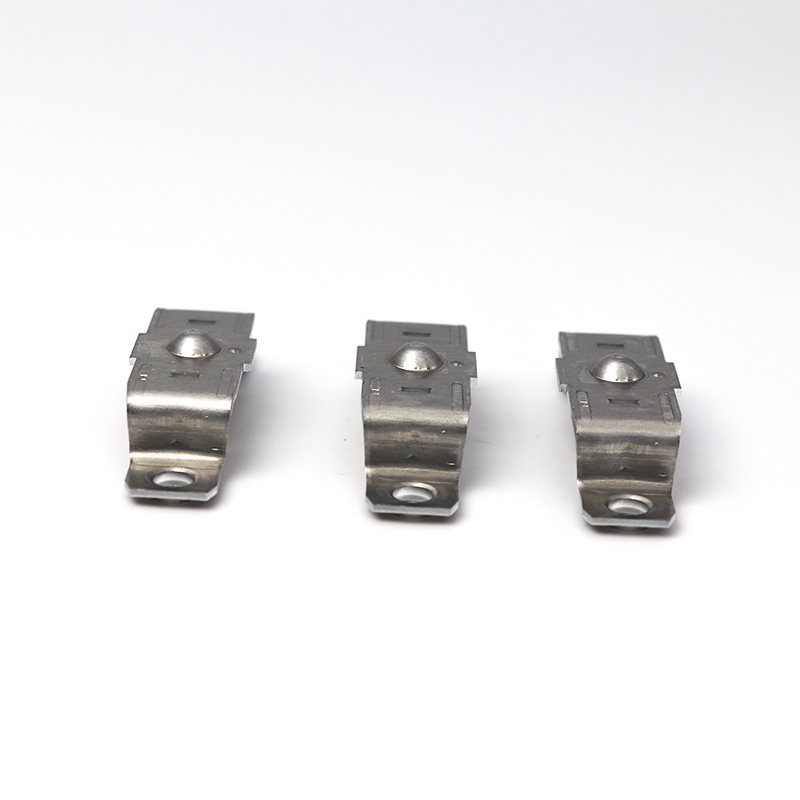
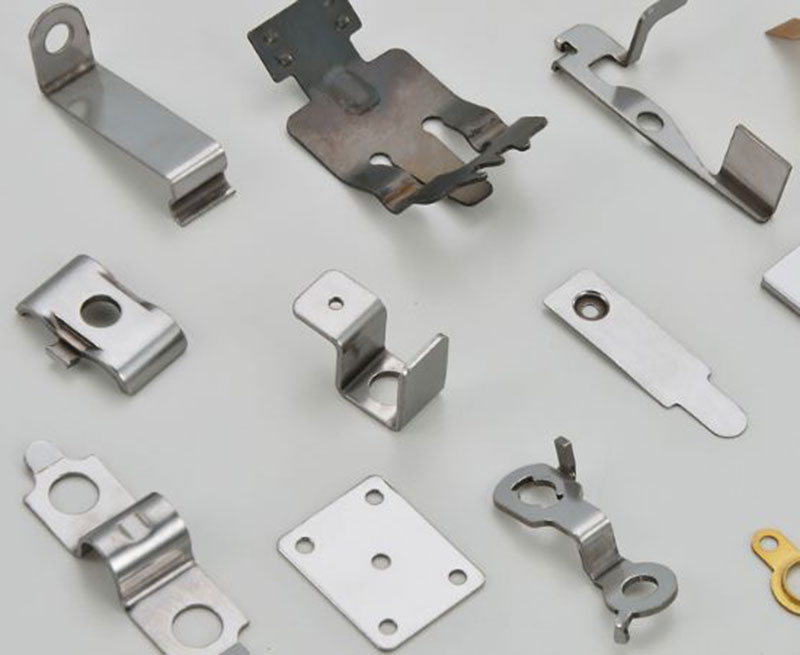
What Is the Metal Stamping Process?
The metal stamping process is a manufacturing technique that uses specially designed dies and stamping presses to shape flat metal sheets or coils into finished components.
Instead of removing material through machining, stamping reshapes the metal under controlled pressure. This approach delivers excellent dimensional accuracy, repeatability, and production efficiency, making it ideal for medium- and high-volume manufacturing.
Depending on product requirements, the process may include blanking, punching, bending, drawing, embossing, coining, and forming operations.
Step 1 – Material Preparation
Selecting the Right Metal
Choosing the correct material is the first step toward successful production.
Common materials include:
- Carbon steel
- Stainless steel
- Aluminum
- Copper
- Brass
Material properties such as strength, ductility, corrosion resistance, and conductivity determine the overall performance of the finished component.
Step 2 – Tool and Die Design
Precision Tooling
High-quality dies are essential for maintaining dimensional accuracy throughout production.
Professional die design considers:
- Material thickness
- Part geometry
- Forming force
- Production volume
- Tool life
Proper tooling design minimizes defects while extending equipment lifespan.
Step 3 – Sheet Feeding
Automatic Material Handling
Before forming begins, metal sheets or coils are automatically fed into the stamping press.
Modern feeding systems improve:
- Positioning accuracy
- Production speed
- Material utilization
- Process consistency
Automation also reduces manual handling and improves workplace safety.
Step 4 – Forming Operations
Core Manufacturing Stage
This is the most important stage of the metal stamping process.
Depending on the component design, forming operations may include:
- Blanking
- Punching
- Bending
- Coining
- Embossing
- Deep drawing
- Progressive die stamping
Each operation gradually transforms flat metal into complex three-dimensional parts while maintaining precise tolerances.
Step 5 – Secondary Operations
Additional Manufacturing Processes
Some stamped components require further processing before becoming finished products.
Typical secondary operations include:
- Laser cutting
- Welding
- Riveting
- Tapping
- Deburring
These additional steps improve assembly efficiency and final product functionality.
Step 6 – Surface Finishing
Improving Performance and Appearance
Surface treatment enhances durability and protects components from corrosion.
Popular finishing methods include:
- Powder coating
- Electroplating
- Polishing
- Passivation
- Anodizing
The appropriate finishing process depends on the application environment and customer requirements.
Step 7 – Inspection and Quality Control
Final Product Verification
Every finished component should undergo comprehensive inspection before shipment.
Quality inspection may include:
- Dimensional measurement
- Surface inspection
- Material verification
- Functional testing
- Packaging inspection
Strict quality management ensures every stamped part meets customer specifications.
Industries That Benefit from the Metal Stamping Process
The metal stamping process is widely used across many industries, including:
- Automotive manufacturing
- Consumer electronics
- Household appliances
- Medical equipment
- Renewable energy
- Industrial automation
- Electrical distribution
- Lighting systems
Its flexibility makes it suitable for both simple brackets and highly complex precision components.
Why Choose ZhengQiang Technology?
ZhengQiang Technology provides integrated metal stamping solutions from product development to mass production.
Our capabilities include:
- Progressive die stamping
- Precision tool manufacturing
- Laser cutting
- CNC bending
- Welding
- Surface finishing
- Quality inspection
By combining advanced production equipment with experienced engineering support, we help customers improve manufacturing efficiency while maintaining high product quality.
🔗 More information:
Frequently Asked Questions About the Metal Stamping Process
What is the first step in the metal stamping process?
The first step is selecting the appropriate material according to product performance, application requirements, and manufacturing conditions.
Which industries commonly use metal stamping?
Automotive, electrical equipment, medical devices, home appliances, renewable energy, and industrial machinery all rely heavily on stamped metal components.
Can the metal stamping process produce complex parts?
Yes. Modern progressive dies, transfer dies, and precision tooling allow manufacturers to produce highly complex geometries with excellent consistency.
Conclusion
The metal stamping process remains one of the most reliable manufacturing solutions for producing accurate, durable, and cost-effective metal components. From material preparation and tooling to forming, finishing, and inspection, every stage contributes to the quality of the final product.
Partnering with an experienced manufacturer such as ZhengQiang Technology helps ensure efficient production, stable quality, and scalable manufacturing for projects of every size.