- Information Classification
10 Expert Custom Sheet Metal Fabrication Solutions for Modern Industrial Manufacturing
Introduction
Custom sheet metal fabrication is a critical manufacturing solution for businesses that require precision-engineered metal components designed to meet exact specifications. Unlike standardized products, custom fabrication allows manufacturers to produce unique parts that match specific dimensions, materials, tolerances, and functional requirements.
As industries continue to demand higher product quality, shorter lead times, and greater design flexibility, custom sheet metal fabrication has become an essential process for OEM and ODM manufacturing. From industrial equipment and electrical enclosures to medical devices, renewable energy systems, and commercial machinery, custom-fabricated metal parts are found in countless applications worldwide.
At ZhengQiang Technology, we provide complete custom sheet metal fabrication solutions, supporting customers from product design and prototyping to large-scale production with strict quality control and advanced manufacturing technology.
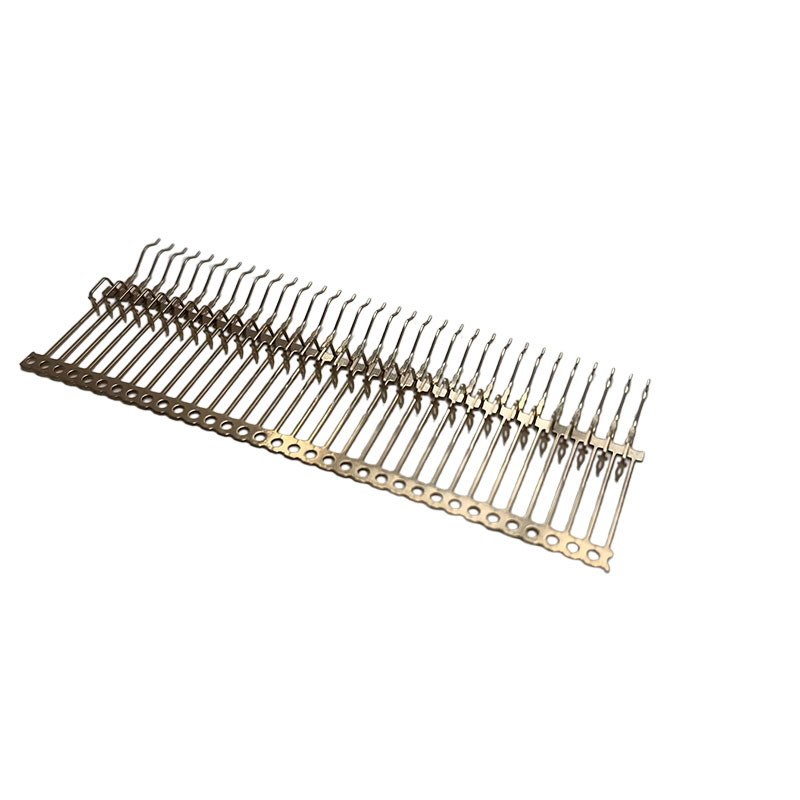
Learn more about our capabilities:
What Is Custom Sheet Metal Fabrication?
Custom sheet metal fabrication is the process of converting flat metal sheets into precision-engineered components according to customer drawings, CAD files, or technical requirements. Unlike mass-produced standard parts, every component is manufactured specifically for its intended application.
The fabrication process combines multiple production technologies into one integrated workflow, ensuring that finished products meet exact engineering specifications while maintaining excellent consistency and repeatability.
Typical fabrication processes include:
- Laser cutting
- CNC punching
- CNC bending
- Welding
- Machining
- Hardware insertion
- Mechanical assembly
- Surface finishing
- Final quality inspection
Why Custom Sheet Metal Fabrication Is Important
Choosing custom sheet metal fabrication offers significant advantages over standard manufacturing methods.
Greater Design Flexibility
Custom fabrication allows engineers to optimize every detail of a component, including dimensions, hole locations, material thickness, structural reinforcement, and assembly features. This flexibility helps manufacturers create products that perfectly match functional requirements.
Improved Product Quality
Advanced production equipment and strict inspection procedures ensure consistent dimensional accuracy throughout every production run. Precision manufacturing reduces assembly errors while improving long-term product reliability.
Better Cost Efficiency
Although engineering customization requires additional planning, optimized production methods reduce raw material waste, minimize secondary processing, and improve manufacturing efficiency, lowering the overall cost per part.
Faster Product Development
Prototype manufacturing allows engineers to validate product designs before full-scale production begins. This shortens development cycles and helps products reach the market more quickly.
Materials Used in Custom Sheet Metal Fabrication
Selecting the appropriate material is one of the most important decisions during product development. Different materials provide different levels of strength, corrosion resistance, conductivity, and formability.
Stainless Steel
Stainless steel offers excellent corrosion resistance, high strength, and an attractive surface finish. It is widely used in food processing equipment, medical devices, outdoor installations, pharmaceutical machinery, and commercial kitchen equipment.
Carbon Steel
Carbon steel remains one of the most economical materials available. Its excellent mechanical strength makes it suitable for machinery frames, structural components, industrial equipment, brackets, and heavy-duty applications.
Aluminum
Aluminum combines lightweight construction with outstanding corrosion resistance and excellent formability. These properties make it popular in transportation equipment, renewable energy systems, electronics, aerospace, and automation industries.
Copper and Brass
Copper and brass provide excellent electrical conductivity and corrosion resistance. These materials are commonly used in terminals, electrical connectors, communication equipment, and electronic assemblies.
Advanced Manufacturing Technologies in Custom Sheet Metal Fabrication
Modern manufacturing depends on advanced production technologies that improve precision, productivity, and product consistency.
Laser Cutting Technology
Laser cutting delivers clean edges, tight tolerances, and exceptional repeatability. Computer-controlled systems accurately cut complex shapes while minimizing material waste and reducing secondary machining.
CNC Punching Technology
CNC punching rapidly produces holes, slots, embossments, ventilation patterns, and other complex features with excellent consistency. Automated punching significantly improves production speed for medium- and high-volume manufacturing.
CNC Bending Technology
Computer-controlled press brakes create highly accurate bends while maintaining consistent angles across every production batch. Precision bending improves assembly accuracy and reduces manufacturing variation.
Precision Welding Solutions
Professional welding technologies including TIG welding, MIG welding, spot welding, and laser welding ensure strong structural joints and attractive finished products suitable for demanding industrial applications.
Surface Finishing Processes
Surface finishing improves product appearance while increasing corrosion resistance and durability. Common finishing methods include powder coating, polishing, sandblasting, electroplating, anodizing, and passivation.
Industries That Depend on Custom Sheet Metal Fabrication
Custom sheet metal fabrication supports a wide range of industries requiring precision-engineered metal components.
Typical applications include:
- Industrial automation equipment
- Electrical cabinets and control panels
- Medical devices
- Commercial kitchen equipment
- Renewable energy systems
- Telecommunications equipment
- Automotive components
- Consumer electronics
- Construction machinery
- HVAC equipment
- Agricultural machinery
- Security systems
Each industry benefits from customized manufacturing solutions designed to improve product performance while maintaining cost-effective production.
Quality Control in Custom Sheet Metal Fabrication
Consistent quality is achieved through comprehensive inspection procedures implemented throughout the manufacturing process.
Quality control typically includes:
Raw Material Inspection
Every incoming material is verified for grade, thickness, and surface condition before production begins.
Dimensional Inspection
Precision measuring equipment confirms that every fabricated component meets customer tolerances.
Welding Inspection
Professional inspections verify weld strength, appearance, and structural integrity.
Surface Quality Inspection
Finished products are inspected for scratches, coating quality, surface finish, and cosmetic appearance.
Final Product Inspection
Before shipment, each product undergoes comprehensive inspection to ensure it fully complies with customer specifications.
Why Choose ZhengQiang Technology for Custom Sheet Metal Fabrication?
ZhengQiang Technology combines advanced manufacturing equipment, experienced engineering teams, and strict quality management to deliver reliable custom sheet metal fabrication solutions for customers worldwide.
Our capabilities include:
- Laser cutting
- CNC punching
- CNC bending
- Precision welding
- Metal stamping
- CNC machining
- Mechanical assembly
- Surface finishing
- Complete quality inspection
- OEM and ODM manufacturing
From prototype development through high-volume production, we help customers improve manufacturing efficiency while maintaining exceptional product quality and on-time delivery.
Learn more about our manufacturing services:
Frequently Asked Questions About Custom Sheet Metal Fabrication
What materials are commonly used for custom sheet metal fabrication?
The most common materials include stainless steel, carbon steel, aluminum, galvanized steel, copper, and brass. Material selection depends on application requirements, operating conditions, and performance expectations.
Can custom sheet metal fabrication support prototype production?
Yes. Prototype fabrication allows engineers to verify product functionality, assembly, and manufacturability before moving into large-scale production.
Which industries benefit the most from custom sheet metal fabrication?
Industries including industrial automation, automotive, electronics, renewable energy, telecommunications, medical equipment, food processing, and construction equipment all rely on precision custom fabrication.
What advantages does custom sheet metal fabrication provide?
Custom fabrication offers greater design flexibility, higher dimensional accuracy, improved product quality, reduced material waste, faster product development, and lower long-term manufacturing costs.
Conclusion
Custom sheet metal fabrication enables manufacturers to transform engineering concepts into reliable, high-quality metal products that meet exact customer requirements. By integrating advanced technologies such as laser cutting, CNC punching, precision bending, welding, machining, assembly, and surface finishing, manufacturers can achieve exceptional product quality while improving production efficiency.
Partnering with ZhengQiang Technology gives customers access to advanced manufacturing capabilities, experienced engineers, and comprehensive quality management throughout every stage of production. Whether your project involves prototype development, small-batch manufacturing, or high-volume production, our team is committed to delivering custom sheet metal fabrication solutions that exceed expectations.
For more information about our custom manufacturing capabilities, visit: