- Information Classification
10 Key Benefits of Industrial BLDC Motor Solutions for Modern Equipment
Introduction to Industrial BLDC Motor Technology
An Industrial BLDC Motor is designed to provide efficient, reliable, and precise motion for demanding equipment and automated systems. As manufacturers continue to improve production efficiency and reduce energy consumption, brushless DC motors are becoming increasingly important in industrial applications.
Unlike traditional brushed DC motors, brushless designs use electronic commutation instead of mechanical brushes and a commutator. This eliminates brush wear and reduces mechanical friction, allowing the motor to operate efficiently for extended periods with less maintenance.
Industrial BLDC motors can be found in automation equipment, cooling systems, pumps, medical devices, robotics, smart appliances, ventilation systems, and many other applications where stable speed, compact dimensions, low noise, and reliable operation are important.
ZhengQiang Technology provides motor manufacturing and customized engineering support for OEM and industrial customers. By combining motor technology with precision component manufacturing, stamping, tooling, and quality inspection capabilities, the company can support customers from product development through production.
Learn more about ZhengQiang Technology:https://www.zqatech.com/
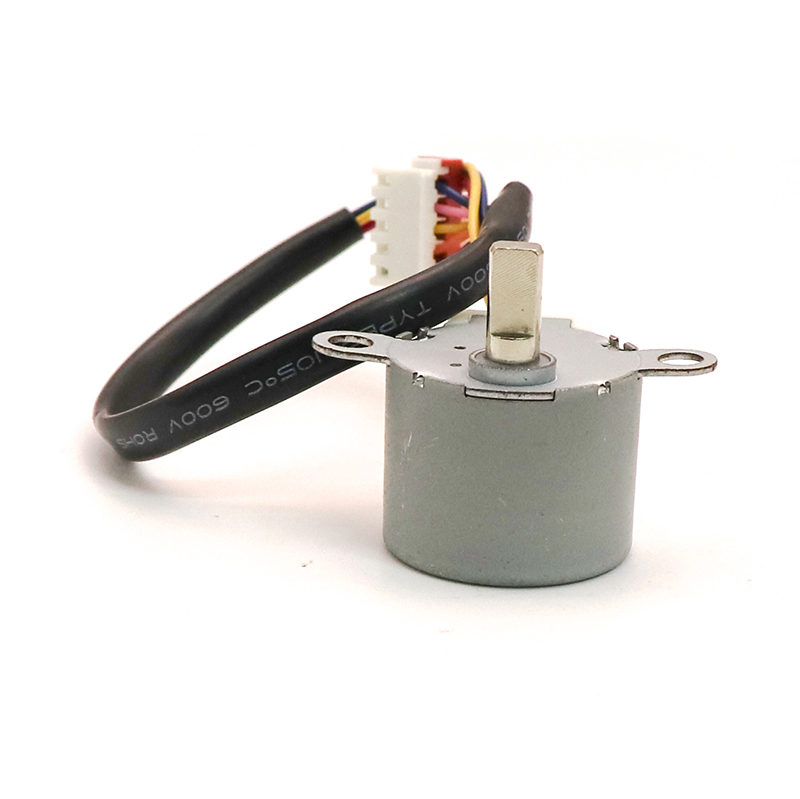
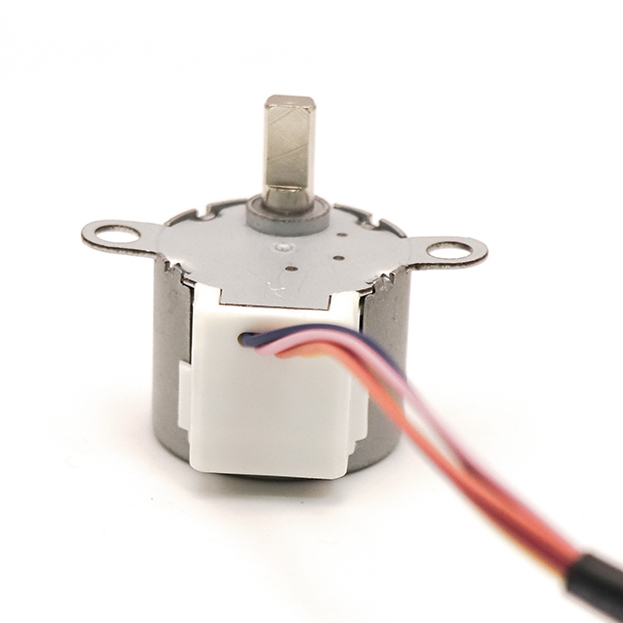
What Is an Industrial BLDC Motor?
An Industrial BLDC Motor is a brushless direct-current motor engineered for equipment that requires stable operation, efficient power conversion, and dependable performance.
A typical BLDC motor consists of several important components, including:
- Stator
- Rotor
- Permanent magnets
- Copper windings
- Bearings
- Motor housing
- Shaft
- Electronic control system
The stator contains the motor windings, while permanent magnets are generally integrated into the rotor. Electronic control equipment determines the appropriate switching sequence for the windings, creating a rotating magnetic field that drives the rotor.
This structure eliminates the mechanical brushes found in conventional brushed motors and provides several advantages for continuous-duty equipment.
How an Industrial BLDC Motor Works
Electronic Commutation
The main difference between a brushless motor and a traditional brushed motor is the way electrical current is switched.
In a brushed motor, mechanical brushes transfer electrical current to the rotating commutator. In a BLDC design, electronic components perform this switching function.
The controller determines the appropriate timing based on rotor position and operating conditions. This allows the motor to maintain stable rotation while reducing mechanical contact and associated wear.
Rotor and Stator Interaction
The stator generates a rotating magnetic field when current flows through its windings. Permanent magnets on the rotor interact with this magnetic field, producing rotational force.
The relationship between magnetic strength, winding configuration, voltage, current, and rotor design directly influences motor speed and torque.
For industrial equipment, these parameters can be optimized according to the application’s operating requirements.
Why Industrial BLDC Motor Solutions Are Growing
Industrial equipment is becoming more automated, compact, and energy-conscious. These changes are increasing demand for motors that can provide precise and reliable motion without excessive maintenance.
Higher Energy Efficiency
BLDC motors can achieve high efficiency because they do not rely on mechanical brushes for commutation. Reduced mechanical friction and optimized electromagnetic design can help lower energy losses.
For equipment operating continuously, even small improvements in efficiency can produce meaningful energy savings over the product’s service life.
Reduced Maintenance Requirements
Brushes are wear components in conventional DC motors. Over time, they may require replacement because of friction and electrical wear.
A brushless design removes this specific maintenance requirement, making it attractive for equipment that operates for long periods or is installed in locations where servicing is difficult.
Longer Operating Life
Reduced mechanical contact can contribute to longer motor service life. When bearings, magnets, windings, and other components are appropriately designed and manufactured, BLDC motors can provide reliable operation over extended periods.
Precise Speed Control
Electronic commutation enables accurate control of motor speed. When combined with an appropriate controller, the motor can operate across different speed ranges according to equipment requirements.
This characteristic is especially valuable for pumps, fans, automation systems, and other applications where speed directly affects system performance.
Lower Operating Noise
Mechanical brush contact can generate additional noise and electrical interference. A properly designed brushless motor can reduce these issues.
Rotor balancing, bearing selection, electromagnetic optimization, and precision assembly also influence overall acoustic performance.
Industrial BLDC Motor Design Considerations
Choosing the right motor requires more than simply selecting a power rating. Engineers should evaluate the complete operating environment and equipment requirements.
Voltage Requirements
The motor’s rated voltage must match the available power supply and control system.
Different equipment may require different voltage configurations, so the motor should be designed around the electrical characteristics of the final product.
Speed Requirements
Motor speed is another critical parameter.
Applications may require:
- Low-speed continuous operation
- High-speed rotation
- Variable-speed control
- Precise speed regulation
- Rapid acceleration and deceleration
The winding configuration, magnetic design, controller, and load characteristics all affect achievable performance.
Torque Requirements
Torque determines the motor’s ability to drive a mechanical load.
Engineers should evaluate both continuous torque and starting torque rather than relying only on nominal power ratings.
For applications involving pumps, fans, conveyors, or automated mechanisms, accurate torque matching can improve system efficiency and reduce unnecessary motor loading.
Installation Dimensions
The motor must fit within the available installation space.
Important dimensions include:
- Motor diameter
- Motor length
- Shaft diameter
- Shaft length
- Mounting holes
- Mounting position
- Connector location
Customized dimensions can simplify integration into existing equipment.
Industrial BLDC Motor Applications
Industrial BLDC motors can serve a wide variety of equipment and systems.
Industrial Automation
Automation systems require reliable motors for moving mechanisms, actuators, conveyors, positioning systems, and other equipment.
The ability to control speed and torque electronically makes BLDC technology suitable for automated machinery.
HVAC and Ventilation Systems
Fans and blowers often operate for long periods, making efficiency and reliability important.
Brushless motors can provide stable operation while supporting variable-speed control, helping equipment adjust airflow according to actual demand.
Water Pumps
Pump systems require motors that can operate reliably under continuous load.
BLDC technology can be used in circulation pumps, small water systems, dosing equipment, and other applications where efficient motor operation is important.
Medical Equipment
Medical and laboratory equipment may require low noise, stable speed, compact dimensions, and reliable operation.
These characteristics make brushless motors suitable for various pumps, fans, laboratory mechanisms, and precision equipment.
Robotics
Robotic systems require precise movement and repeatable performance.
BLDC motors can be combined with controllers, sensors, and feedback systems to achieve controlled motion for different robotic mechanisms.
Home Appliances
Although BLDC motors are often associated with industrial equipment, the technology is also widely used in modern appliances.
Applications can include:
- Fans
- Air circulation systems
- Pumps
- Kitchen appliances
- Cleaning equipment
- Smart household devices
Materials Used in Industrial BLDC Motor Manufacturing
Motor performance depends heavily on the quality and characteristics of its components.
Copper Windings
Copper is commonly used for motor windings because of its excellent electrical conductivity. Winding quality directly affects resistance, heat generation, and overall efficiency.
Permanent Magnets
Permanent magnets provide the magnetic field required for rotor operation. Their magnetic characteristics influence torque, efficiency, and operating temperature.
Electrical Steel
Electrical steel is commonly used in the stator core. Proper material selection and lamination design help reduce electromagnetic losses.
Precision Metal Components
Motor housings, shafts, brackets, and other structural components require accurate dimensions to maintain proper alignment and mechanical stability.
ZhengQiang Technology’s manufacturing capabilities in precision metal processing can support the production of various components used in motor assemblies.
Explore the company:
Quality Control for Industrial BLDC Motor Production
Reliable motor performance depends on consistent manufacturing and comprehensive inspection.
A professional manufacturing process may include multiple quality control stages.
Incoming Material Inspection
Materials and components should be checked before entering production. This may include dimensional verification, material identification, and visual inspection.
Winding Inspection
The winding process directly influences electrical performance. Testing can identify issues such as incorrect resistance, winding defects, or insulation problems.
Rotor Balancing
Rotor imbalance can increase vibration and noise. Dynamic balancing helps improve smooth operation and reduce mechanical stress.
Performance Testing
Finished motors can be evaluated under different operating conditions.
Typical tests may include:
- Speed testing
- Torque testing
- Current testing
- Voltage testing
- Temperature testing
- Noise testing
- Efficiency testing
- Load testing
Final Inspection
Before shipment, finished products should undergo final inspection to confirm that specifications, appearance, packaging, and performance meet project requirements.
Customization Options for Industrial BLDC Motor Projects
Different industrial applications often require different motor configurations.
A motor manufacturer may customize:
- Rated voltage
- Rated speed
- Torque
- Motor diameter
- Motor length
- Shaft dimensions
- Mounting structure
- Connector configuration
- Winding design
- Sensor configuration
- Housing design
- Protection requirements
Customization allows the motor to be optimized for the customer’s equipment rather than forcing the equipment to accommodate a standard motor.
Industrial BLDC Motor vs. Brushed DC Motor
Both motor technologies have their own application advantages, but their operating structures are different.
A brushed motor uses mechanical brushes and a commutator to switch current. This design is relatively simple and can be economical for certain applications.
A BLDC motor uses electronic commutation and permanent magnets. It generally provides lower mechanical wear, improved efficiency, and longer maintenance intervals.
For equipment that operates continuously or requires precise speed control, brushless technology can provide significant advantages.
However, the motor should always be selected according to the actual application rather than choosing a technology based on a single performance parameter.
How to Select the Right Industrial BLDC Motor
Before choosing a motor, OEM engineers should evaluate several important factors.
Define the Mechanical Load
Determine the required torque, speed, acceleration, and duty cycle.
Determine the Electrical Conditions
Confirm available voltage, current limitations, controller compatibility, and operating frequency where applicable.
Consider the Installation Environment
Temperature, humidity, dust, vibration, and available cooling should all be considered during motor selection.
Evaluate Noise Requirements
Equipment used in offices, homes, laboratories, and medical environments may require stricter acoustic performance.
Consider Production Volume
Prototype, small-batch, and mass-production projects may require different manufacturing and tooling strategies.
A professional motor supplier can help evaluate these requirements and recommend an appropriate design.
Why Choose ZhengQiang Technology?
ZhengQiang Technology provides integrated manufacturing support for customers seeking reliable motor and precision manufacturing solutions.
The company combines motor development with capabilities in precision hardware, stamping, tooling, and component manufacturing. This integrated approach can simplify supply-chain management and provide better control over product consistency.
Available capabilities include:
- Motor development
- OEM manufacturing
- ODM manufacturing
- Precision metal processing
- Metal stamping
- Tool and mold development
- Component manufacturing
- Assembly
- Quality inspection
For companies developing new equipment, working with a manufacturer capable of supporting both motor and precision component requirements can simplify communication and reduce coordination between different suppliers.
Visit ZhengQiang Technology:
Frequently Asked Questions About Industrial BLDC Motors
What are the main advantages of an Industrial BLDC Motor?
The main advantages include efficient operation, reduced brush-related maintenance, accurate electronic speed control, low mechanical wear, and suitability for continuous-duty applications.
Are BLDC motors suitable for continuous operation?
Yes. BLDC motors can be designed for continuous-duty applications when the motor’s thermal performance, load, bearings, winding configuration, and cooling system are properly matched to operating conditions.
Can an Industrial BLDC Motor be customized?
Yes. OEM and ODM manufacturers can customize voltage, speed, torque, dimensions, shaft configuration, mounting structure, connectors, sensors, and other specifications according to equipment requirements.
What applications use BLDC motors?
Common applications include industrial automation, HVAC systems, pumps, fans, medical equipment, robotics, smart appliances, and other equipment requiring efficient and controlled motor operation.
How can BLDC motor life be improved?
Appropriate load selection, effective heat management, high-quality bearings, accurate rotor balancing, proper electrical control, and regular system inspection can all contribute to reliable long-term operation.
Are BLDC motors more efficient than conventional brushed motors?
BLDC motors can provide higher efficiency in many applications because they eliminate mechanical brush contact and allow electronic commutation. Actual efficiency depends on motor design, controller performance, load, operating speed, and system conditions.
Conclusion
An Industrial BLDC Motor provides an effective combination of efficiency, controllability, reliability, and reduced maintenance for modern equipment. As manufacturers continue to develop automated and energy-conscious products, brushless motor technology will remain an important option for a wide range of industrial applications.
Selecting the right motor requires careful evaluation of voltage, speed, torque, dimensions, operating environment, thermal conditions, and production requirements. A qualified manufacturing partner can help optimize these factors and develop a motor that integrates effectively with the final equipment.
ZhengQiang Technology provides motor development and manufacturing support together with precision metal processing, stamping, tooling, assembly, and quality control capabilities. This integrated manufacturing approach provides OEM and ODM customers with a practical solution for developing reliable motor products.
For custom motor development or industrial motor manufacturing requirements, learn more about ZhengQiang Technology: