Wear Resistance
Harder and Longer Lasting.
Ceramic materials offer high hardness and wear resistance for rotating,
sliding and repeated-contact components.
Applications:
Pump shafts, wear-resistant components, precision interfaces

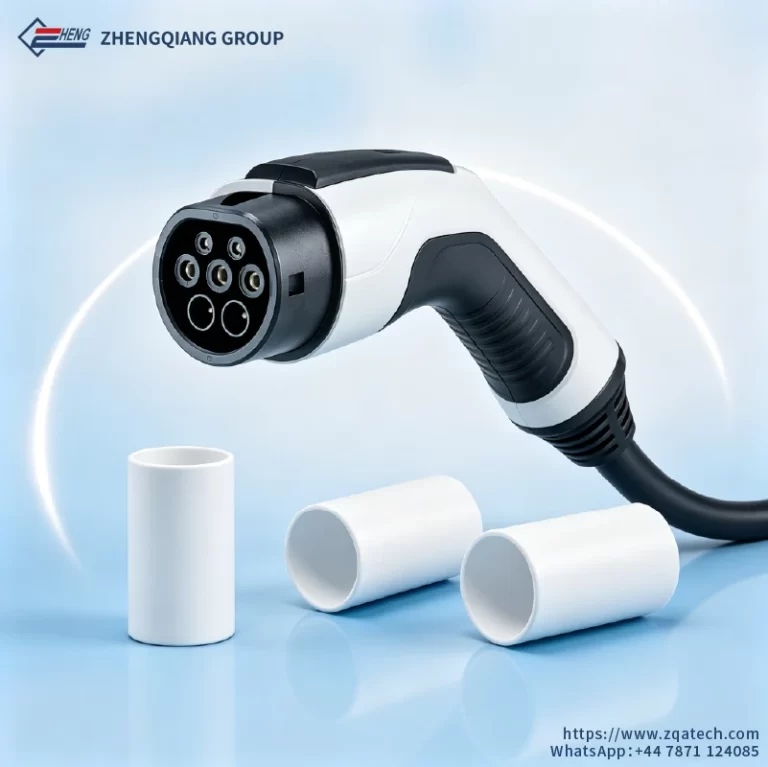
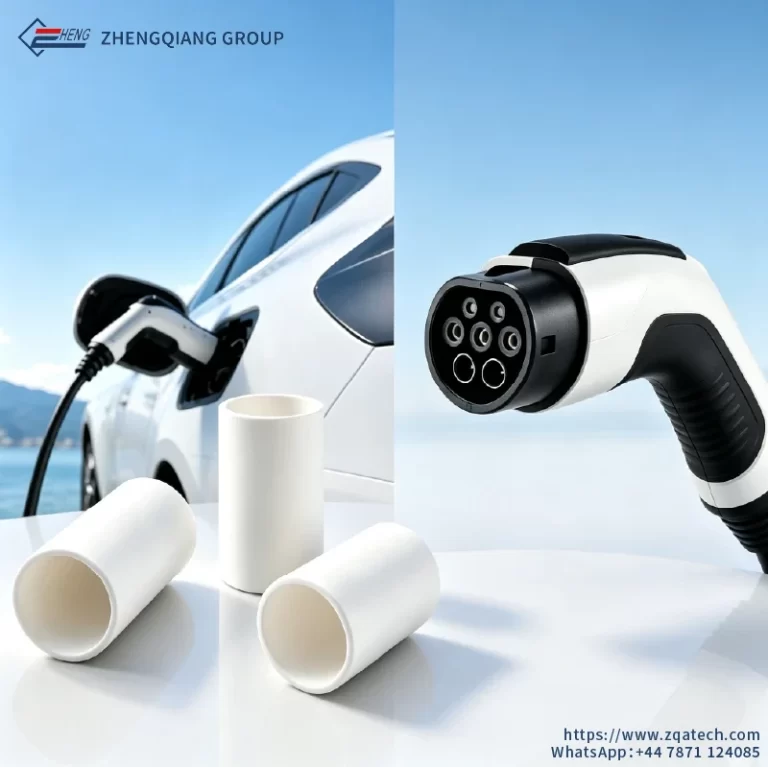
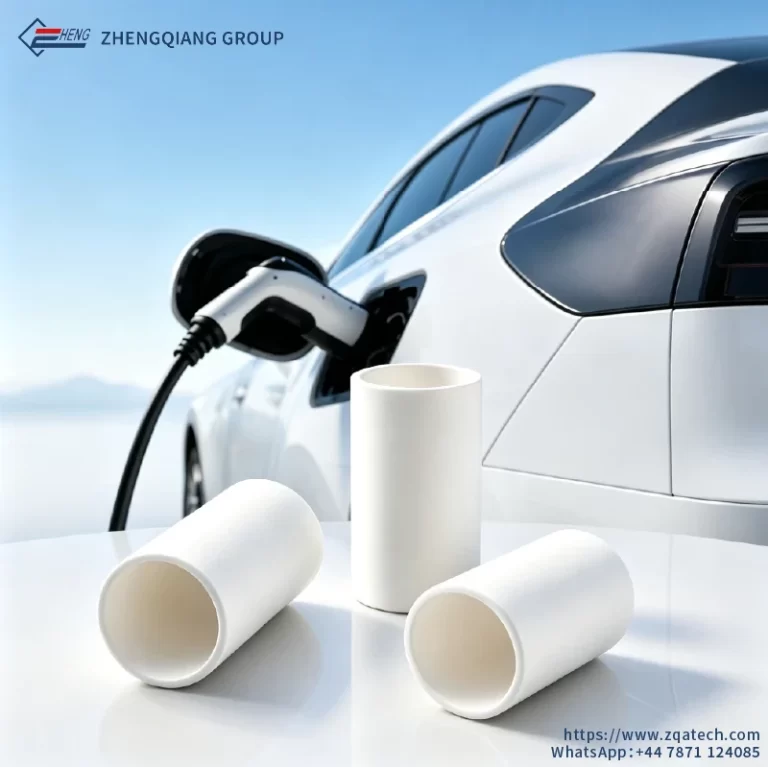
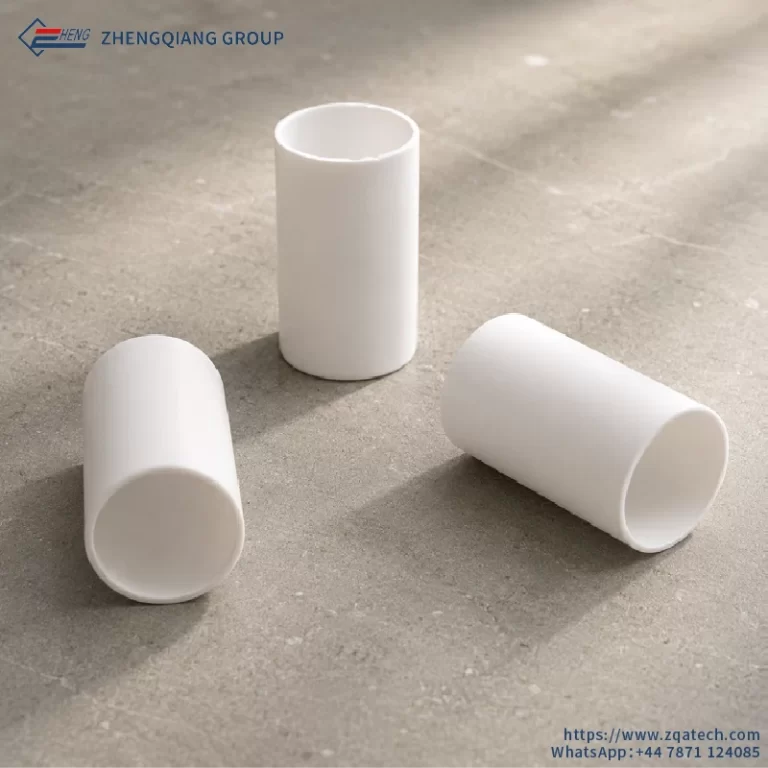
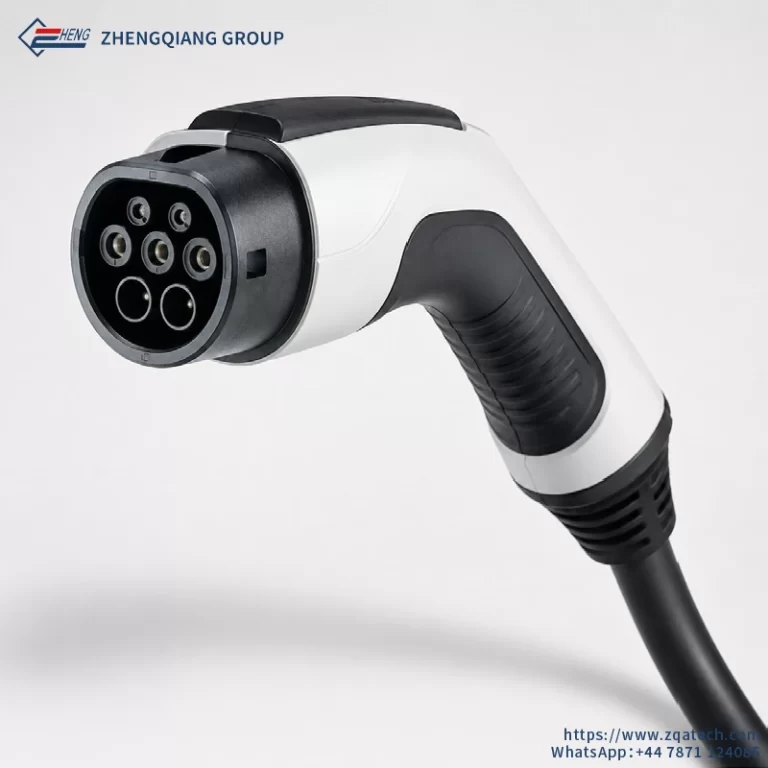
Custom Technical Ceramics for EV Charging Systems
High-voltage insulation, thermal stability and precision interfaces for demanding EV charging connector assemblies.
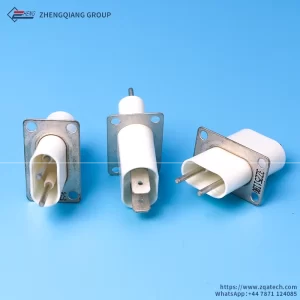
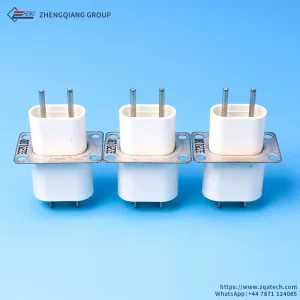
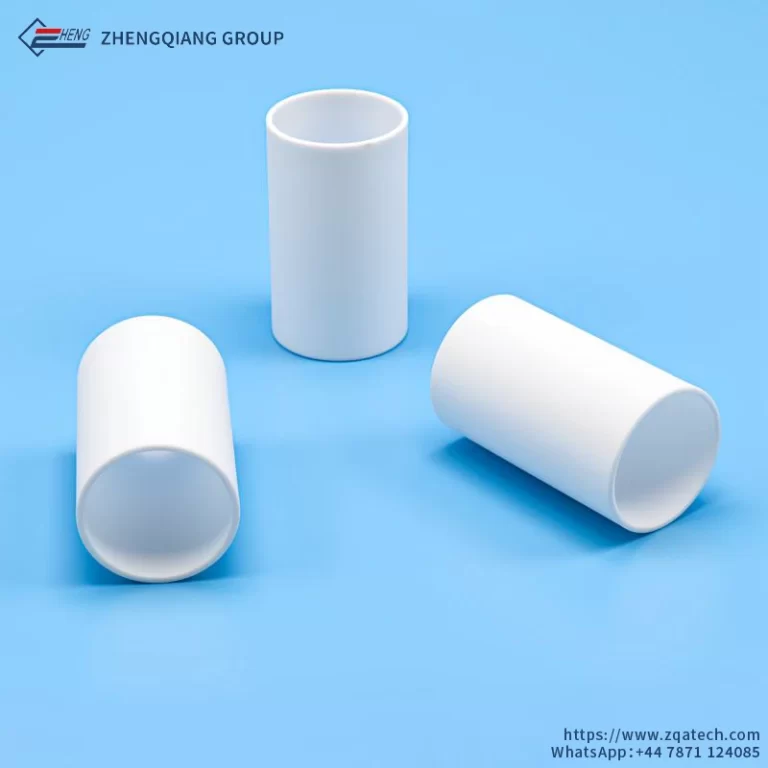
An alumina ceramic housing provides high-voltage insulation,
thermal stability and precision interfaces for demanding EV charging connector assemblies.
ZHENGQIANG GROUP supports drawing-based custom engineering, prototyping and volume production
for 99% alumina components.
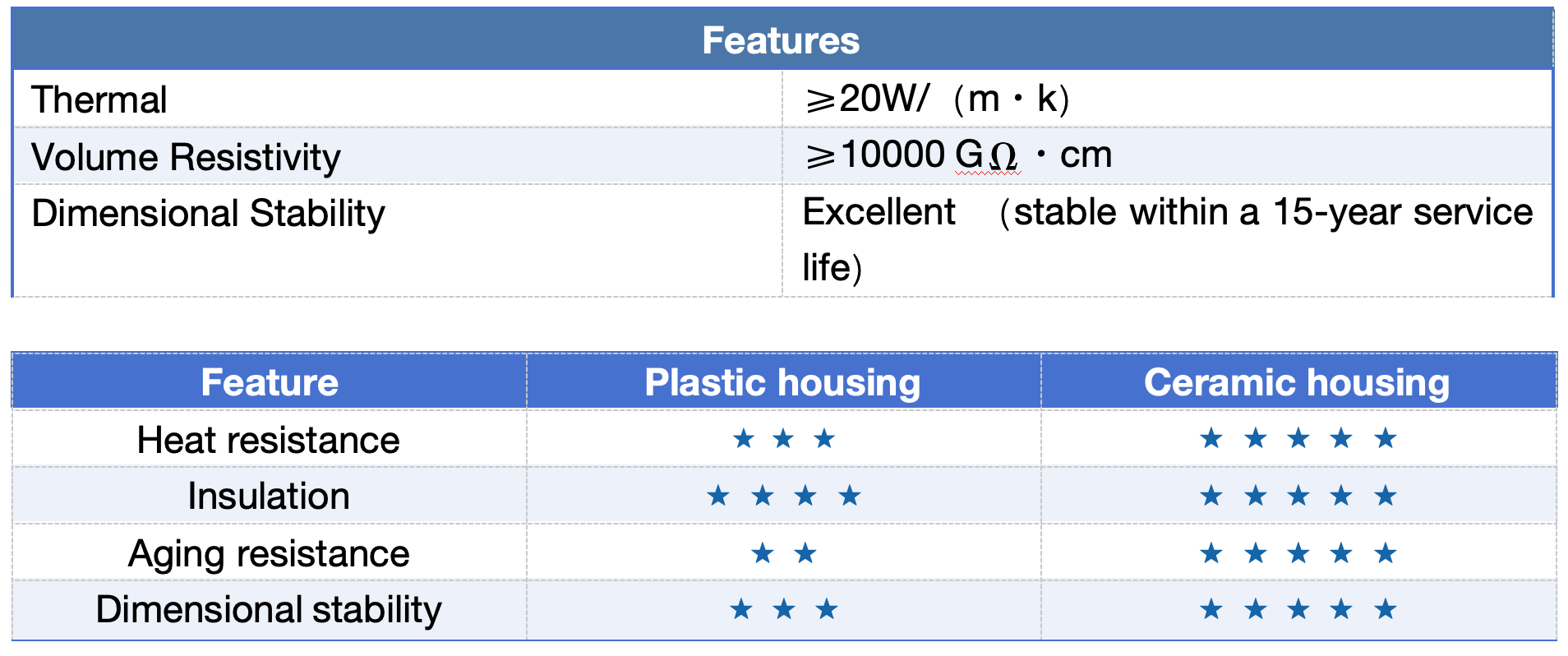
99% alumina (Al2O3) combines electrical insulation,
hardness, wear resistance and dimensional stability in one engineered component.
It is suitable for connector designs that require reliable separation of conductive elements,
stable geometry around precision features and resistance to repeated assembly or mating cycles.
For connector designs where conventional polymer insulation approaches its thermal or electrical
performance limits, alumina ceramic can provide stable electrical insulation and dimensional
performance under demanding operating conditions.
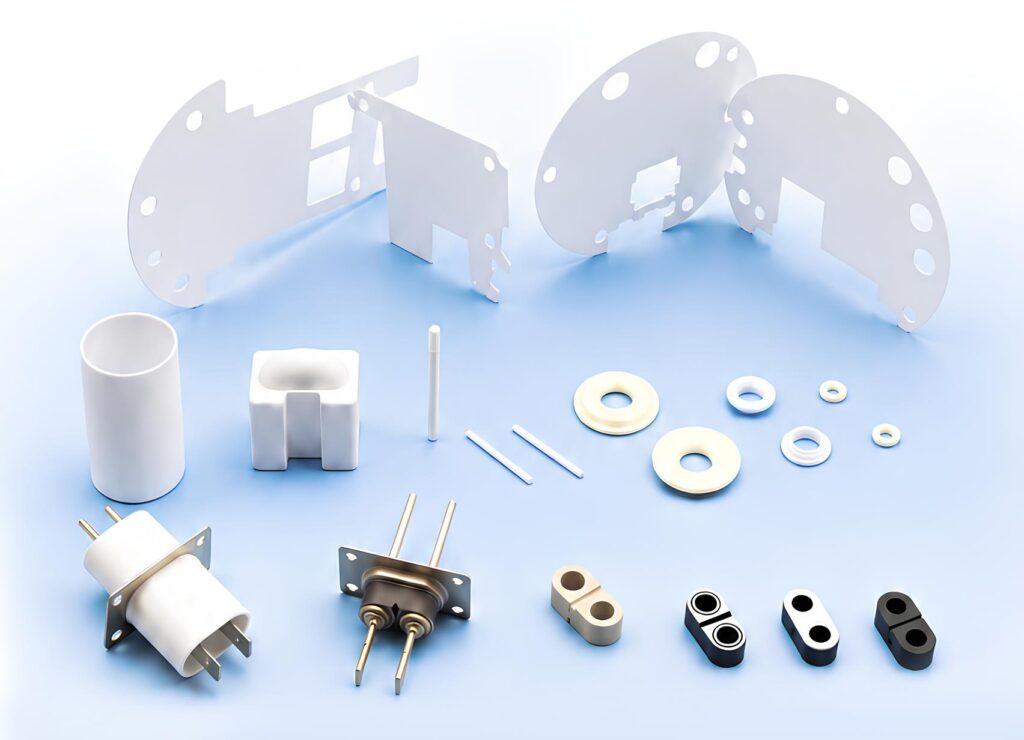
Harder and Longer Lasting.
Ceramic materials offer high hardness and wear resistance for rotating,
sliding and repeated-contact components.
Applications:
Pump shafts, wear-resistant components, precision interfaces

Safe Under High Voltage.
Alumina ceramic supports electrical isolation in demanding connector
and power-system architectures.
Applications:
EV charging systems, electronic water pumps, motor insulation parts

Dissipate Heat Efficiently.
Alumina combines electrical insulation with useful thermal conductivity
for heat-transfer applications.
Applications:
Power electronics, EV water pumps, charging connectors

Stable in Harsh Environments.
Ceramic components can provide stable performance in moisture
and chemically demanding environments.
Applications:
Water purification systems, coffee machine pumps, automotive cooling systems
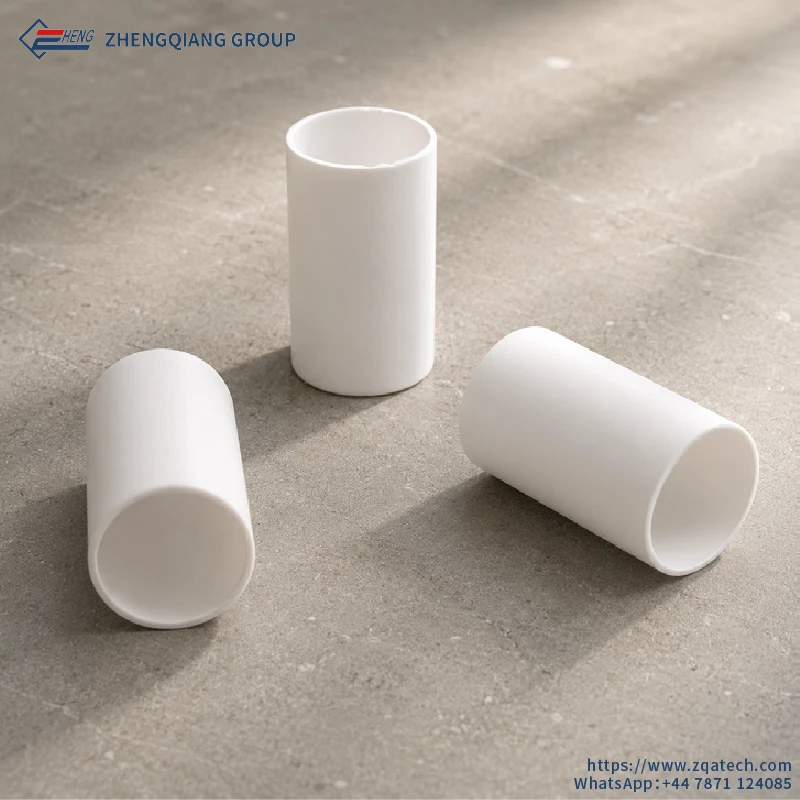
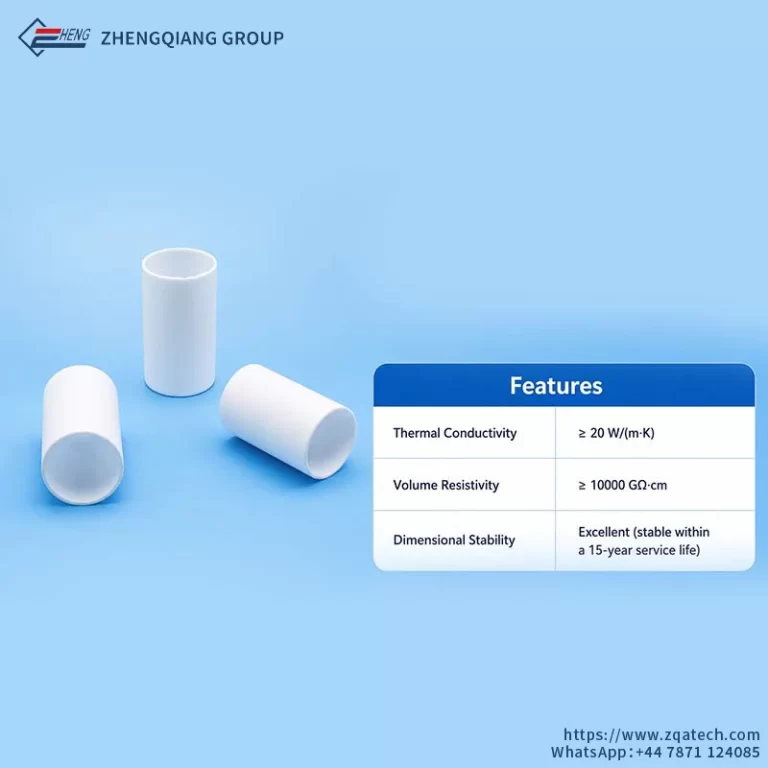
The following confirmed data provides a practical starting point
for alumina ceramic housing material and drawing review.
| Property | Confirmed Value / Requirement |
|---|---|
| Material | 99% Alumina (Al2O3) |
| Thermal Conductivity | ≥20 W/(m·K) |
| Volume Resistivity | ≥10,000 GΩ·cm |
| Dielectric Strength | Confirm for selected grade and test method |
| Flexural Strength | Confirm for selected grade and test method |
| Dimensional Tolerance | Precision machining up to ±0.005 mm |
| Color | White / off-white |
Actual values and acceptance criteria depend on material grade,
geometry, test method and approved customer drawing.
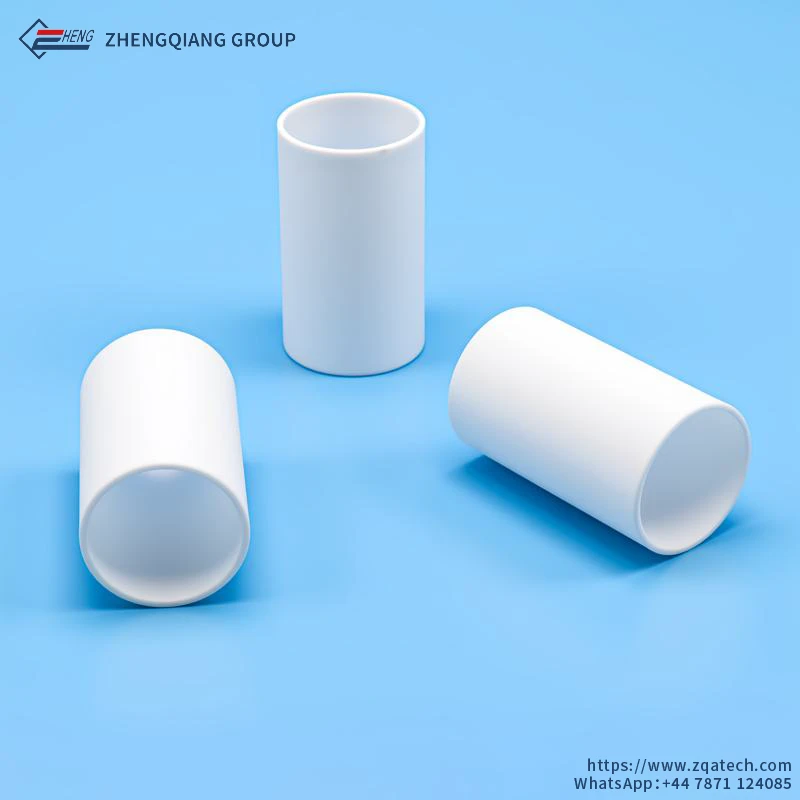
An alumina ceramic housing is one part of the complete insulation system
and must be evaluated within the finished connector assembly.
Electrical insulation performance depends on more than the ceramic material alone.
Wall thickness, creepage and clearance distances, electrode geometry,
surface condition, contamination and the selected test method all influence
the final result.
Charging systems can experience changing thermal loads during operation.
Alumina retains stable geometry under conditions where insulation,
alignment and interface accuracy must work together.
Each alumina ceramic housing is evaluated against the customer drawing
before the process route is approved.
±0.005 mm is a best-case precision-machining capability,
not a blanket tolerance for every dimension.
Achievable tolerances depend on feature size, geometry, wall thickness,
datum structure, material removal, inspection access and production volume.
Advanced ceramic processing and precision manufacturing capabilities.
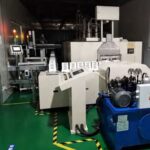
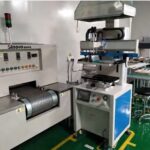
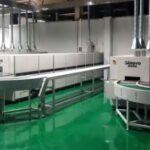
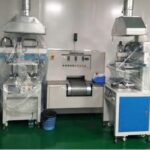
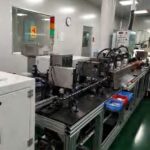
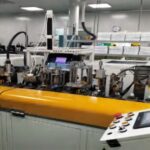
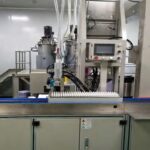
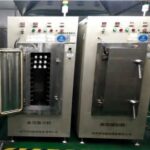
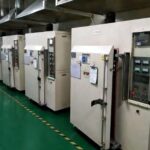
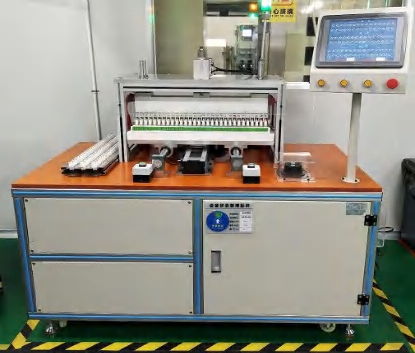

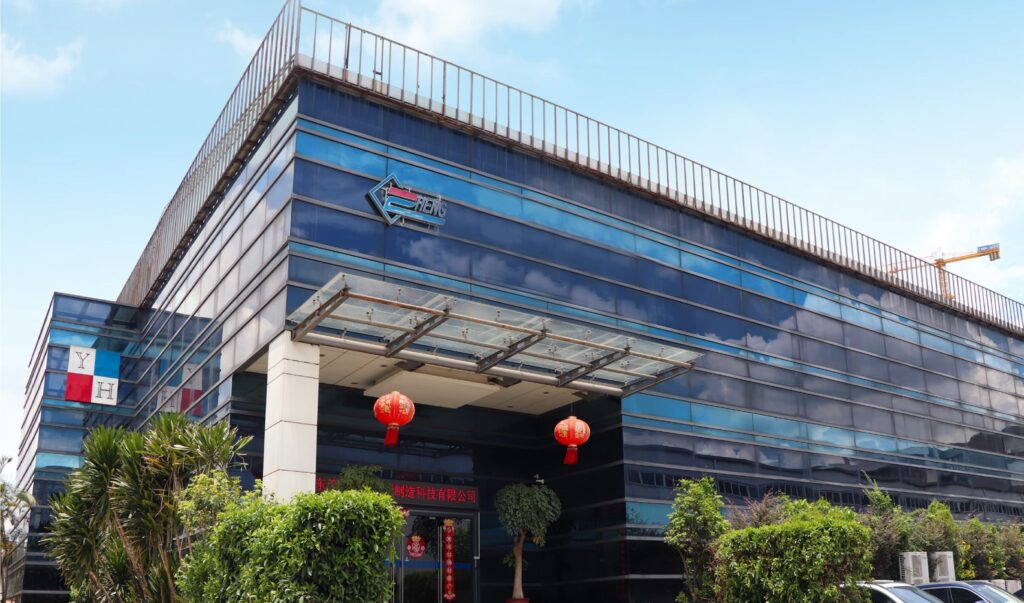
We specialize in custom alumina and zirconia ceramic components
for automotive, energy and appliance industries.
Our team supports customers from drawing review and design-for-manufacturing
feedback through prototyping, precision manufacturing and volume production.
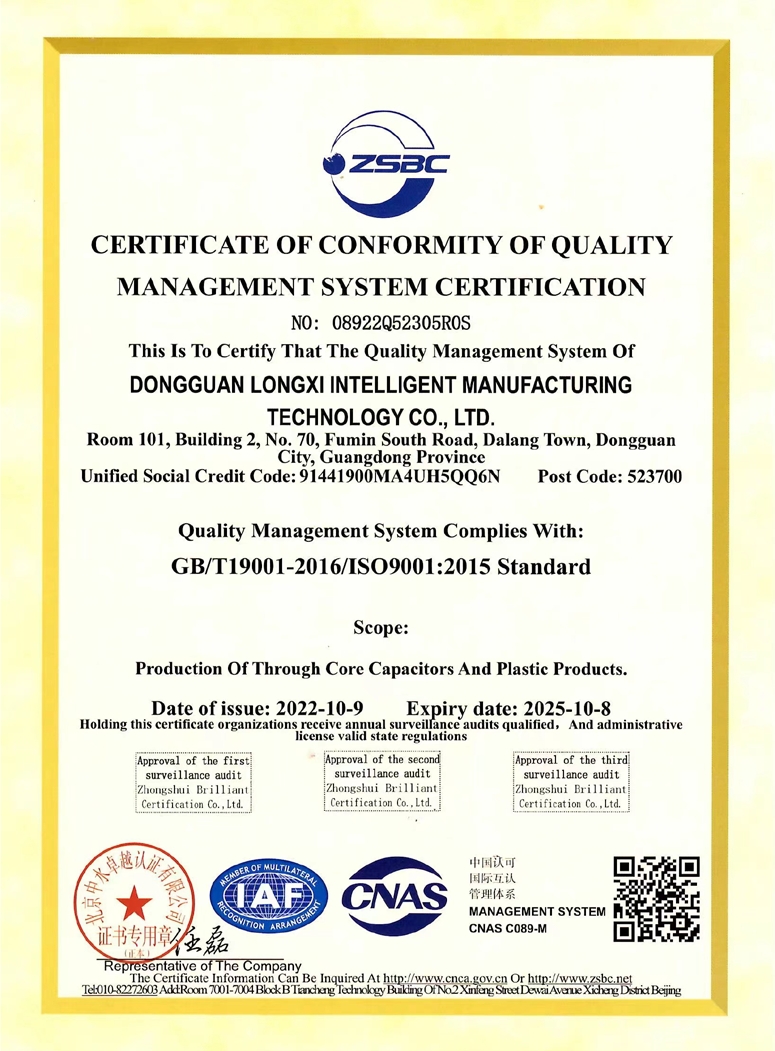 ISO 9001 Quality Management System
 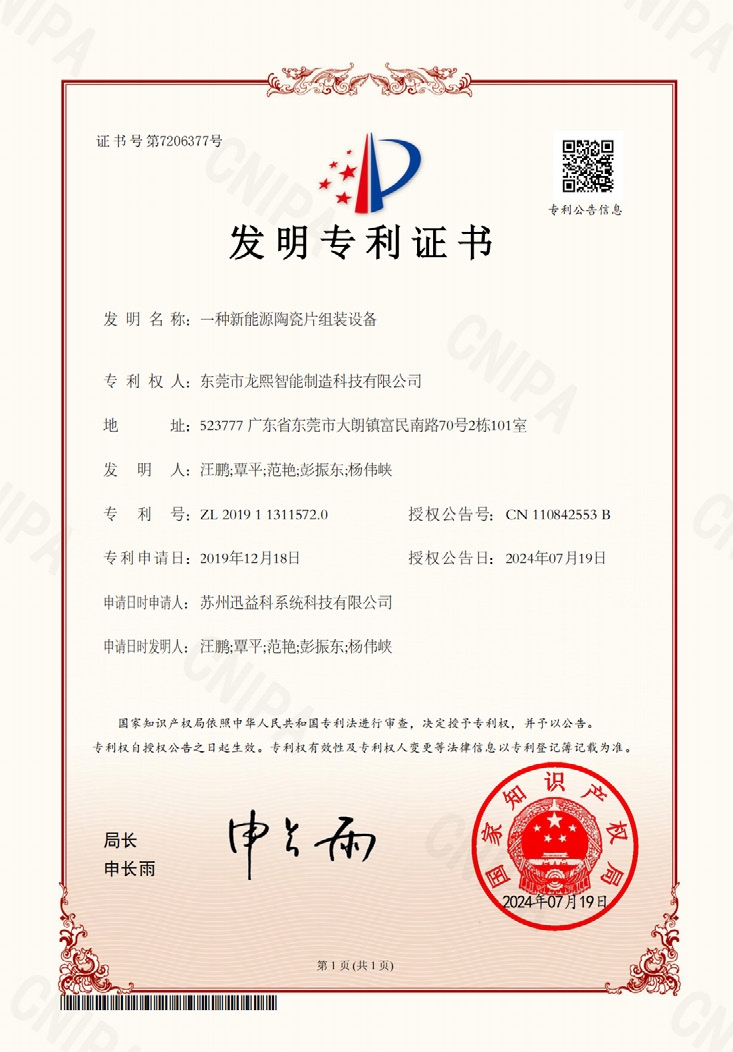 Invention Patent
 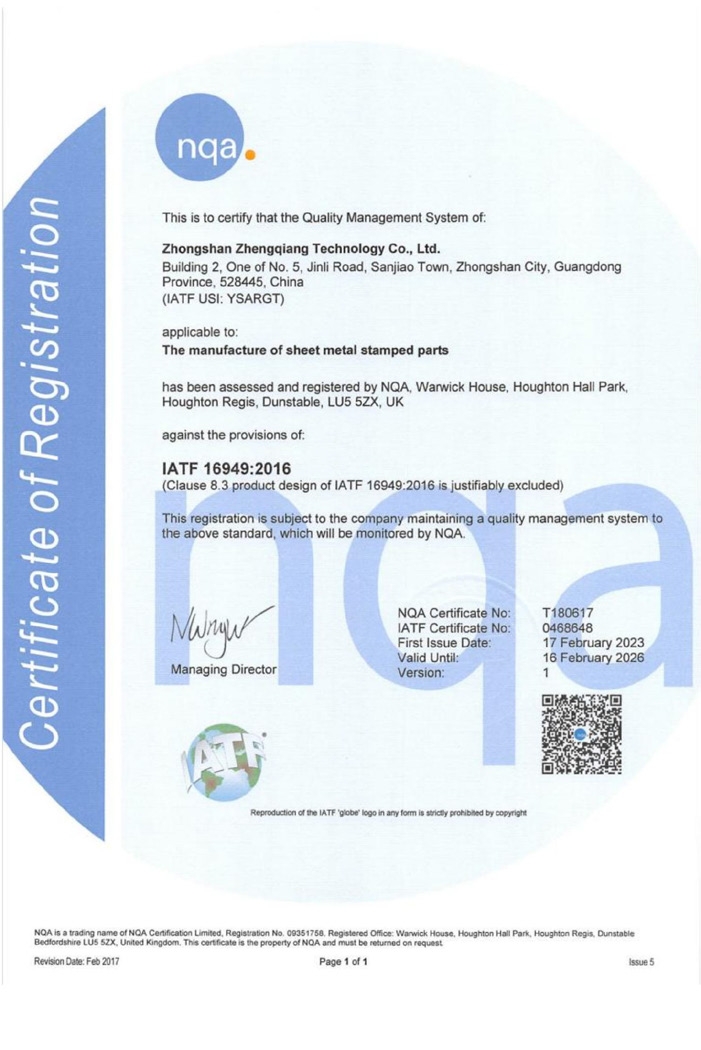 IATF 16949:2016
Precision machining can reach up to ±0.005 mm on selected critical features.
This is a best-case capability rather than a blanket tolerance.
It can be suitable where electrical insulation,
thermal stability and precise geometry are required.
Yes. Customers can provide 2D drawings and STEP files
for engineering and manufacturability review.
Yes. Prototype evaluation can be completed before volume production.
Advanced Ceramic Solutions for Reliable Performance
Send us your drawing, material requirement,
critical tolerances, prototype quantity and estimated annual demand.