- Information Classification
AC Motor Manufacturer: Complete Guide to AC Motor Types and OEM Solutions
An AC Motor Manufacturer provides electric motor solutions for equipment that operates with alternating current. AC motors are widely used in industrial machinery, HVAC systems, ventilation equipment, pumps, fans, household appliances, automation systems, and other applications requiring reliable rotary motion.
For OEM and industrial equipment manufacturers, selecting the right motor is an important part of product development. Motor voltage, frequency, power, speed, torque, efficiency, dimensions, operating temperature, noise, and duty cycle can all influence the performance of the final machine.
ZhengQiang Technology provides customized motor manufacturing and OEM/ODM solutions for customers requiring different motor technologies. Its product range covers AC motors, DC motors, BLDC motors, shaded pole motors, synchronous motors, series motors, and other customized motor solutions.
Learn more about ZhengQiang Technology:https://www.zqatech.com/
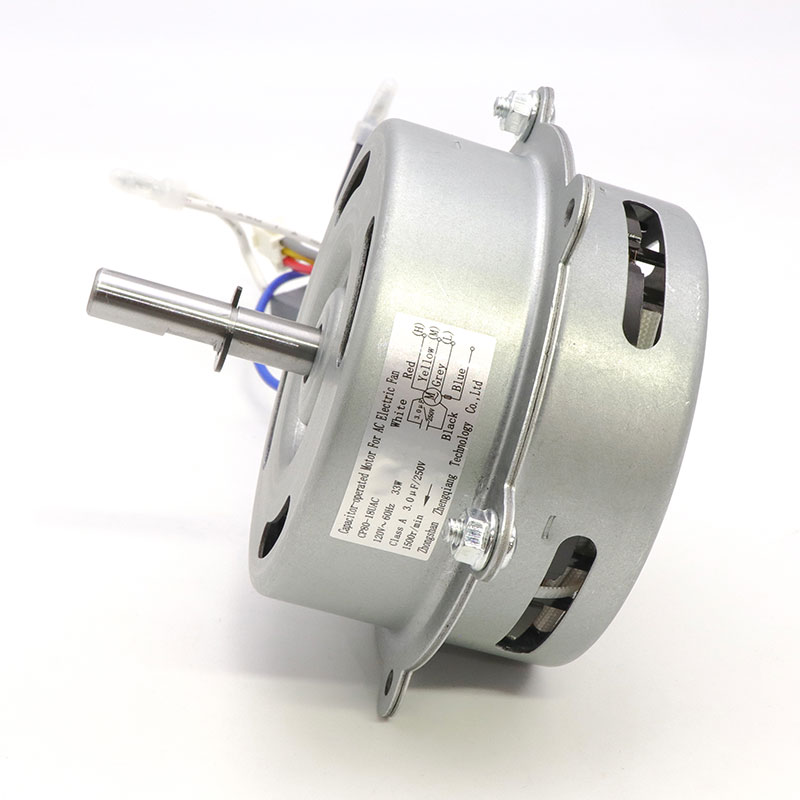
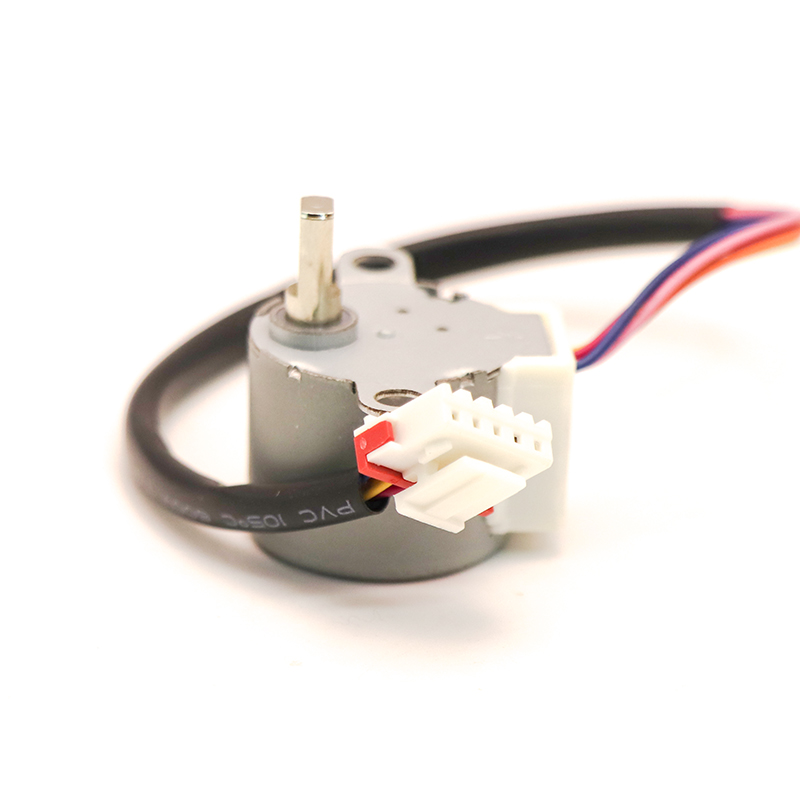
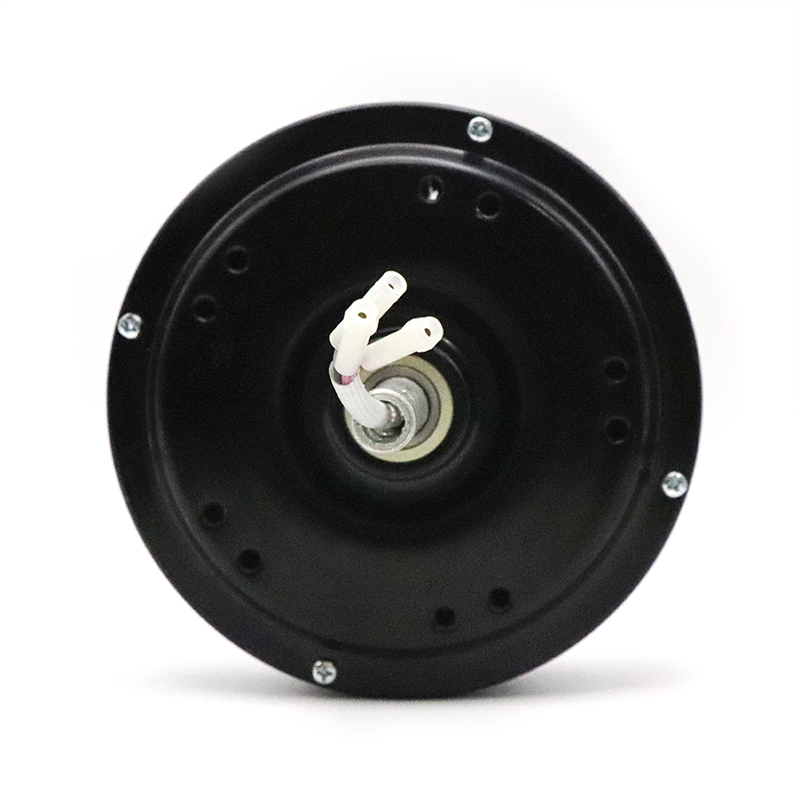
What Is an AC Motor?
An AC motor is an electric motor designed to convert alternating electrical energy into mechanical rotational energy.
Unlike a DC motor, which normally operates from direct current, an AC motor is designed around an alternating-current power source. Depending on the motor structure, AC motors can provide different speed, torque, efficiency, and control characteristics.
Common AC motor categories include:
- Induction motors
- Shaded pole motors
- Capacitor motors
- Synchronous motors
- Single-phase motors
- Three-phase motors
- Universal motors
The appropriate design depends on the electrical supply and mechanical requirements of the equipment.
A professional AC Motor Manufacturer can help customers select a suitable motor structure according to the actual application rather than simply selecting a motor based on rated power.
How Does an AC Motor Work?
Stator Creates a Magnetic Field
The stator is the stationary part of the motor.
When alternating current passes through the stator winding, it generates a changing magnetic field.
The design of the stator and winding determines important electrical and mechanical characteristics.
Rotor Produces Mechanical Rotation
The rotor is the rotating component positioned inside the stator.
The interaction between the magnetic field and rotor produces rotational movement.
Depending on the motor type, the rotor may operate through induction, permanent magnet interaction, or other electromagnetic principles.
Electrical Energy Becomes Mechanical Energy
The motor transfers electrical input into mechanical output.
The available mechanical power depends on motor design, electrical input, losses, operating speed, load, and other factors.
Main Types of AC Motors
An experienced AC Motor Manufacturer may provide several motor technologies because different applications require different performance characteristics.
Single-Phase AC Motor
Single-phase motors are commonly used in equipment connected to residential and commercial AC power systems.
Typical applications include:
- Fans
- Blowers
- Household appliances
- Small pumps
- Ventilation systems
- Cooling equipment
Their relatively simple integration makes them suitable for many low- and medium-power applications.
Three-Phase AC Motor
Three-phase motors are widely used in industrial environments.
They can provide stable operation for equipment such as:
- Industrial pumps
- Compressors
- Conveyors
- Machine tools
- Fans
- Industrial machinery
The selection should be based on load, speed, starting requirements, duty cycle, and available power supply.
Induction Motor
Induction motors are among the most widely used AC motor technologies.
They are commonly selected for industrial equipment because of their robust construction and suitability for continuous operation.
Synchronous Motor
Synchronous motors operate at a speed synchronized with the frequency of the supplied AC power under their intended operating conditions.
They can be useful where stable rotational speed is important.
Shaded Pole Motor
Shaded pole motors are compact single-phase AC motors that use a shading ring to create the magnetic phase shift required for rotation.
They are commonly used in small fans, blowers, ventilation products, and household appliances.
Capacitor Motor
Capacitor-based motors use capacitors to create the phase relationship required for motor operation.
They can be used in fans, blowers, air treatment equipment, pumps, and other applications where the motor’s electrical and mechanical characteristics are suitable.
Advantages of Using AC Motors
Simple Power Integration
Many industrial, commercial, and household electrical systems already provide AC power.
This allows AC motors to be integrated directly into many types of equipment.
Wide Range of Motor Technologies
One important advantage is the wide range of available designs.
Depending on the application, customers can choose from different AC motor technologies based on:
- Speed
- Torque
- Power
- Efficiency
- Cost
- Size
- Control requirements
Reliable Operation
When properly designed and matched to the load, AC motors can provide stable operation over extended periods.
This makes them suitable for equipment that operates continuously or for long working cycles.
Broad Application Range
AC motors can be found in industrial equipment, commercial systems, household appliances, HVAC products, pumps, fans, and automation equipment.
Flexible OEM Design
A capable AC Motor Manufacturer can customize electrical and mechanical characteristics to fit the customer’s equipment.
AC Motor Applications
AC motors are used across numerous industries.
HVAC Systems
Heating, ventilation, and air-conditioning systems require motors to drive fans, blowers, pumps, and other rotating components.
Motor selection should consider airflow, pressure, temperature, operating time, and available installation space.
Fans and Blowers
Fan systems require appropriate speed and torque to achieve the required airflow.
Motor noise and temperature can also become important considerations in residential and commercial products.
Pumps
AC motors can be used to drive different types of pumps.
The required motor should be selected based on pump load, flow rate, pressure, speed, and duty cycle.
Industrial Machinery
Industrial machinery may require motors for:
- Conveyors
- Compressors
- Machine tools
- Material handling systems
- Processing equipment
- Production lines
Three-phase and other industrial AC motor designs can provide appropriate solutions for these applications.
Household Appliances
Small AC motors can be integrated into household products requiring fans, blowers, pumps, or other mechanical movement.
Product developers may prioritize compact dimensions, low noise, cost, reliability, and electrical compatibility.
Automation Equipment
AC motors can also be incorporated into industrial automation equipment where reliable rotary movement is required.
Depending on the required control accuracy, the application may use a conventional AC motor, variable-speed system, or another motor technology.
How to Select the Right AC Motor
Choosing a motor requires a complete analysis of the equipment.
Voltage and Frequency
The motor’s rated voltage and frequency must match the electrical supply.
Common AC systems use 50 Hz or 60 Hz, depending on the market.
Rated Power
Motor power should be sufficient for the mechanical load.
An undersized motor may operate under excessive stress, while an oversized motor can increase system cost and energy consumption.
Speed
Required rotational speed is another critical specification.
The motor should provide the required speed under the actual operating load.
Torque
Torque determines the motor’s ability to drive the mechanical load.
Starting torque and continuous operating torque should both be evaluated where applicable.
Duty Cycle
Determine whether the motor will operate:
- Continuously
- Intermittently
- Periodically
- Under varying loads
This information affects motor sizing and thermal design.
Installation Dimensions
Physical dimensions must match the equipment.
Important measurements include motor length, diameter, shaft size, mounting holes, brackets, and connector location.
Custom AC Motor Solutions for OEM Customers
Standard motors may not always meet the requirements of specialized equipment.
An experienced AC Motor Manufacturer can provide customized configurations according to the customer’s product design.
Electrical Customization
Possible electrical parameters include:
- Rated voltage
- Frequency
- Rated power
- Current
- Speed
- Winding configuration
- Rotation direction
Mechanical Customization
Mechanical customization may include:
- Shaft diameter
- Shaft length
- Housing dimensions
- Mounting holes
- Mounting brackets
- Rotor configuration
- Bearing arrangement
Connection Customization
OEM customers may also require customized:
- Lead wire length
- Connector type
- Terminal configuration
- Cable direction
These details can make final assembly easier and help reduce modification work at the customer’s factory.
AC Motor Manufacturing Process
A reliable production process is important for achieving consistent motor performance.
Stator Manufacturing
The stator core is produced according to the electromagnetic design.
Material selection and dimensional accuracy influence magnetic performance.
Winding Process
Copper wire is wound according to the specified design.
Winding consistency is important for controlling resistance, current, power, and temperature.
Rotor Manufacturing
The rotor is manufactured and balanced according to the motor design.
Accurate rotor dimensions and balance can help reduce vibration and operating noise.
Motor Assembly
The stator, rotor, bearings, housing, shaft, wiring, and other components are assembled according to engineering specifications.
Final Testing
Finished motors can undergo electrical, mechanical, and reliability testing before shipment.
Quality Control in AC Motor Manufacturing
Quality control should cover the entire manufacturing process.
Incoming Material Inspection
Materials and components should be inspected before production.
Electrical Testing
Testing may include:
- Voltage
- Current
- Resistance
- Power
- Speed
- Insulation
Dimensional Inspection
Critical dimensions should be checked against engineering drawings.
Noise and Vibration Testing
Noise and vibration can influence the user experience and service life of the final equipment.
Temperature Testing
Temperature rise should be evaluated under specified load and operating conditions.
Endurance Testing
Depending on the application, motors may undergo extended operation testing to verify their reliability.
Why Choose ZhengQiang Technology?
ZhengQiang Technology provides customized motor manufacturing and OEM/ODM services for customers requiring different motor technologies.
Its capabilities include:
- AC motor manufacturing
- DC motor manufacturing
- BLDC motor solutions
- Shaded pole motors
- Capacitor motors
- Synchronous motors
- Series motors
- Precision metal processing
- CNC machining
- Metal stamping
- Tooling
- Component manufacturing
- Assembly
- Quality inspection
The combination of motor manufacturing and precision component production can provide OEM customers with a more integrated supply chain.
For projects requiring customized motor dimensions, electrical characteristics, mechanical components, or assembly, ZhengQiang can support different stages of product development and manufacturing.
Visit the official website:
How to Choose a Reliable AC Motor Manufacturer
Choosing a supplier should involve more than comparing unit prices.
Manufacturing Capability
Check whether the supplier has the production equipment, engineering team, testing systems, and manufacturing capacity required for the project.
Customization Capability
OEM customers should confirm whether the manufacturer can modify voltage, power, speed, shaft dimensions, mounting configuration, wiring, and other specifications.
Quality Management
Ask about incoming inspection, process inspection, final testing, traceability, and quality documentation.
Production Capacity
A supplier should be able to support both prototype quantities and future mass production.
Technical Communication
Clear communication of drawings, specifications, samples, and application conditions can reduce development problems.
After-Sales Technical Support
Technical support is useful when customers encounter installation, performance, or application-related issues.
Frequently Asked Questions
What does an AC Motor Manufacturer do?
An AC Motor Manufacturer designs and produces motors powered by alternating current. Depending on its capabilities, the manufacturer may provide single-phase motors, three-phase motors, induction motors, synchronous motors, shaded pole motors, capacitor motors, and customized OEM solutions.
What are AC motors commonly used for?
AC motors are commonly used in fans, blowers, pumps, HVAC equipment, household appliances, industrial machinery, automation systems, compressors, and other rotating equipment.
What is the difference between single-phase and three-phase AC motors?
Single-phase motors are commonly used in residential and smaller commercial equipment, while three-phase motors are widely used in industrial machinery and higher-power applications.
Can an AC motor be customized?
Yes. A professional AC Motor Manufacturer can customize electrical and mechanical specifications according to the customer’s equipment requirements.
What specifications should I provide when requesting an AC motor?
Important information includes voltage, frequency, power, speed, torque, duty cycle, shaft dimensions, mounting dimensions, operating environment, wiring requirements, and expected order quantity.
How do I find the right AC Motor Manufacturer?
Look for a supplier with appropriate manufacturing capacity, engineering support, quality control, customization capabilities, testing equipment, and experience with OEM projects.
Conclusion
Choosing the right AC Motor Manufacturer is an important step in developing reliable electrical and mechanical equipment.
AC motors remain widely used because they can support a broad range of applications, from small fans and household appliances to industrial pumps, HVAC systems, automation equipment, and production machinery.
The best motor is not necessarily the one with the highest rated power or lowest price. It should be selected according to the actual operating conditions, including voltage, frequency, speed, torque, load, duty cycle, installation dimensions, temperature, and noise requirements.
For OEM and ODM customers, a capable manufacturing partner can provide additional value through engineering support, customization, component manufacturing, assembly, testing, and quality management.
ZhengQiang Technology combines motor manufacturing with precision metal processing, stamping, tooling, component production, and assembly, providing an integrated manufacturing platform for customized motor projects.
Learn more about ZhengQiang Technology: