- Information Classification
Brushless DC Motor Power Supply Engineering Guide
Brushless DC motors have become one of the most important motion technologies in modern industrial automation, automotive electronics, robotics, medical equipment, and intelligent consumer products. As industries increasingly demand higher efficiency, lower maintenance, and more precise motion control, the performance of the brushless dc motor power supply system has become a critical factor influencing overall motor reliability and operational stability.
A properly designed brushless dc motor power supply not only delivers electrical energy to the motor but also directly affects torque stability, thermal management, electromagnetic compatibility, speed regulation, and system efficiency. In advanced industrial applications, the interaction between motor drivers, power conversion circuits, and electronic control systems must be carefully optimized to ensure reliable long-term operation.
Zhengqiang Technology Group is a high-tech enterprise specializing in motor technologies, electronic components, intelligent manufacturing systems, and precision engineering solutions. With strong engineering expertise and advanced manufacturing capabilities, the company provides customized solutions for OEM and industrial customers worldwide. Learn more at https://www.zqatech.com/
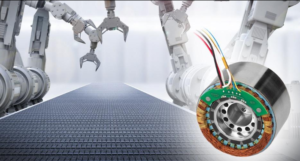
Understanding Brushless DC Motor Power Supply Systems
A brushless dc motor power supply system is responsible for converting electrical input energy into controlled power suitable for driving a brushless DC motor.
Unlike brushed motors, brushless DC motors require electronic commutation systems to regulate current flow within the stator windings. Therefore, the power supply architecture must integrate both energy conversion and electronic control functions.
Basic Structure of a Brushless DC Motor Power Supply
A modern brushless dc motor power supply typically includes several integrated subsystems.
Main Functional Modules
- AC/DC or DC/DC power conversion
- Electronic motor driver circuits
- PWM control systems
- Current and voltage regulation
- Protection and filtering circuits
These systems work together to provide stable and efficient motor operation.
Input Power Sources
Depending on the application, brushless motor systems may operate from:
- AC mains power
- Lithium battery systems
- Industrial DC power systems
- Automotive electrical systems
The power architecture must match operational voltage and current requirements.
Electrical Characteristics of Brushless DC Motor Power Supply Systems
The performance of a brushless dc motor power supply is heavily influenced by electrical design parameters.
Voltage Requirements
Typical brushless DC motor operating voltages include:
- 5V–24V for consumer electronics
- 24V–72V for industrial automation
- Higher voltage systems for EV and industrial equipment
Stable voltage regulation is critical for speed consistency and motor efficiency.
Current Management
Power supply systems must handle:
- Startup inrush current
- Continuous operating current
- Peak load demand
Insufficient current capacity may lead to:
- Torque instability
- Overheating
- Driver failure
Power Efficiency
High-efficiency power conversion reduces:
- Heat generation
- Energy consumption
- Operating cost
Modern systems commonly use high-efficiency MOSFET and switching technologies.
Electronic Control Systems
Electronic control is one of the defining characteristics of a brushless dc motor power supply system.
PWM Speed Regulation
Pulse Width Modulation (PWM) is commonly used to control:
- Motor speed
- Torque output
- Power consumption
PWM allows precise energy management and smooth motor operation.
Hall Sensor and Sensorless Control
Brushless motor systems may use:
- Hall-effect sensors
- Back-EMF sensorless control algorithms
These systems determine rotor position and enable electronic commutation.
Closed-Loop Control Systems
Advanced motor systems integrate:
- PID control algorithms
- Real-time feedback systems
- Adaptive speed regulation
Closed-loop control improves operational accuracy and efficiency.
Thermal Management and Heat Dissipation
Heat management is a major engineering challenge in brushless dc motor power supply design.
Sources of Heat Generation
Heat may originate from:
- Power transistors
- Switching losses
- Current overload
- Poor ventilation
Excessive temperature can reduce component lifespan and reliability.
Cooling Solutions
Common thermal management methods include:
- Aluminum heat sinks
- Forced-air cooling
- Thermal interface materials
- Intelligent thermal monitoring systems
Efficient cooling improves long-term operational stability.
Electromagnetic Compatibility and Noise Control
High-frequency switching in a brushless dc motor power supply may generate electromagnetic interference (EMI).
Common EMI Sources
- PWM switching
- High-frequency current transitions
- Cable radiation effects
Improper EMI management may affect nearby electronic systems.
EMI Suppression Methods
Typical suppression strategies include:
- Shielding structures
- Ferrite filters
- Grounding optimization
- PCB layout improvement
Good EMC design is essential for industrial and automotive applications.
Protection Functions in Brushless DC Motor Power Supply Systems
Modern power supply systems integrate multiple protection functions.
Overcurrent Protection
Protects against:
- Stall conditions
- Short circuits
- Excessive startup current
Overvoltage and Undervoltage Protection
Voltage protection prevents damage caused by unstable input power conditions.
Thermal Protection
Thermal monitoring systems shut down or reduce power output when temperatures exceed safe operating limits.
Reverse Polarity Protection
Prevents circuit damage caused by incorrect power connection.
Manufacturing Technologies for Brushless Motor Power Systems
The reliability of a brushless dc motor power supply depends heavily on manufacturing precision and component quality.
PCB Manufacturing and SMT Assembly
Modern production includes:
- Multi-layer PCB fabrication
- Surface-mount technology (SMT)
- Automated optical inspection (AOI)
These processes improve electrical consistency and manufacturing efficiency.
Precision Electronic Components
Key components include:
- MOSFETs
- Capacitors
- Inductors
- Microcontrollers
Component quality directly affects system performance and durability.
Intelligent Manufacturing Systems
Advanced manufacturing technologies support:
- Automated assembly
- Real-time quality monitoring
- Production traceability
Zhengqiang Technology Group integrates intelligent manufacturing technologies to deliver high-performance motor and electronic solutions. Learn more at https://www.zqatech.com/
Applications of Brushless DC Motor Power Supply Systems
Industrial Automation
Used in:
- Robotics
- CNC equipment
- Conveyor systems
- Automated production lines
Automotive Electronics
Applications include:
- Electric pumps
- Cooling systems
- EV auxiliary motors
- Smart actuators
Consumer Electronics
Brushless motor systems are widely used in:
- Drones
- Vacuum cleaners
- Smart home devices
- Portable appliances
Medical Equipment
Low-noise and high-precision systems support:
- Ventilation equipment
- Surgical devices
- Laboratory systems
Industry Trends and Future Development
High-Efficiency Power Electronics
Manufacturers continue improving:
- Switching efficiency
- Thermal performance
- Power density
Smart Motor Control Systems
Future systems increasingly support:
- IoT integration
- Predictive maintenance
- Intelligent diagnostics
Miniaturization and Compact Design
Power systems continue evolving toward:
- Smaller form factors
- Lightweight structures
- Higher integration density
Sustainable and Energy-Efficient Systems
Energy-saving motor systems contribute to:
- Reduced carbon emissions
- Improved environmental compliance
- Lower operational cost
Why Choose Zhengqiang Technology Group?
Zhengqiang Technology Group provides advanced solutions for brushless dc motor power supply systems, including:
- Precision motor manufacturing
- Electronic power control systems
- Intelligent production technologies
- OEM and ODM engineering support
With strong engineering expertise and global manufacturing capabilities, the company supports industrial and automotive customers worldwide. Visit https://www.zqatech.com/ to learn more.
Conclusion
The performance of a brushless dc motor power supply directly influences motor efficiency, thermal stability, reliability, and motion precision. Through optimized electronic control, efficient power conversion, and advanced protection systems, modern brushless motor technologies continue driving innovation across industrial, automotive, medical, and consumer applications.
As intelligent automation and energy-efficient systems continue expanding, advanced brushless DC motor power technologies will remain critical to future industrial development.
FAQ
What is a brushless dc motor power supply?
It is an electronic system that provides controlled electrical power for operating a brushless DC motor.
Why do brushless motors require electronic control?
Brushless motors use electronic commutation instead of mechanical brushes.
What affects power supply efficiency?
Switching efficiency, thermal management, and component quality all affect performance.
What protection systems are commonly used?
Overcurrent, overvoltage, thermal, and reverse polarity protection systems are commonly integrated.
Where can I find reliable motor and power supply manufacturing solutions?
Visit https://www.zqatech.com/
📩 Contact Us
Looking for reliable brushless dc motor power supply manufacturing solutions with strong engineering and global supply capabilities?
Zhengqiang Technology Group is ready to support your OEM and industrial projects.
👉 Visit https://www.zqatech.com/ today and get your quote!