- Information Classification
Brushless Motor vs Brushed: Performance Comparison
Brushless Motor vs Brushed: The Complete Engineering Guide to Performance, Efficiency, and Industrial Applications
Electric motors are one of the most critical technologies driving modern industry. From small consumer electronics to large-scale industrial automation systems, motors are responsible for converting electrical energy into mechanical motion. Among the most widely used motor types, the comparison of brushless motor vs brushed has become a key topic for engineers, manufacturers, and procurement professionals.
Understanding the differences between these two motor technologies is essential for optimizing system performance, improving energy efficiency, and reducing long-term operational costs. While both motor types are capable of delivering reliable performance, their design principles and operational characteristics lead to significant differences in real-world applications.
Zhengqiang Technology Group specializes in precision motor components, electronic parts, and intelligent manufacturing solutions. With strong R&D capabilities and advanced production systems, the company supports global clients with reliable and customized motor solutions. Learn more at https://www.zqatech.com/
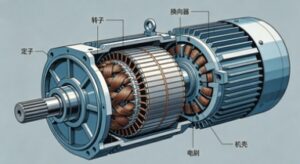
What Is a Brushed Motor?
A brushed motor is a traditional electric motor that uses mechanical components to control the flow of electrical current. It has been widely used for decades due to its simple structure and cost-effectiveness.
Working Principle of Brushed Motors
In a brushed motor, electrical current is transferred to the rotor through carbon brushes that maintain contact with a rotating commutator. As the commutator rotates, it switches the direction of current, generating a magnetic field that causes the rotor to spin.
This mechanical commutation is a defining characteristic in the brushless motor vs brushed comparison.
Key Characteristics of Brushed Motors
- Simple mechanical design
- Low initial cost
- Easy speed control
- Higher wear due to friction
Because of these features, brushed motors are still widely used in low-cost and simple applications.
What Is a Brushless Motor?
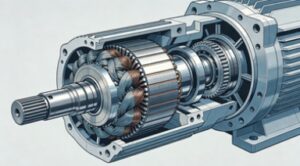
A brushless motor eliminates the need for brushes by using electronic commutation. Instead of physical contact, electronic controllers manage current flow within the motor.
Working Principle of Brushless Motors
Brushless motors use sensors or sensorless control algorithms to determine rotor position. Electronic controllers then switch current in the stator windings, creating a rotating magnetic field.
This advanced mechanism is central to the brushless motor vs brushed discussion.
Key Characteristics of Brushless Motors
- High efficiency
- Long operational lifespan
- Low maintenance requirements
- Advanced control systems
As industries move toward automation and energy efficiency, brushless motors are becoming increasingly popular.
Brushless Motor vs Brushed: Structural Differences
The most fundamental difference in brushless motor vs brushed lies in their internal structure.
Mechanical vs Electronic Commutation
- Brushed motors use physical brushes and commutators
- Brushless motors rely on electronic controllers
This difference directly impacts durability, efficiency, and reliability.
Component Complexity
Brushed motors have fewer electronic components, while brushless motors require controllers and sensors for operation.
Efficiency Analysis in Brushless Motor vs Brushed
Efficiency is one of the most important considerations when comparing motor types.
Brushless motors are generally more efficient because they eliminate friction and electrical losses associated with brushes. In contrast, brushed motors lose energy through heat and mechanical wear.
For applications where energy consumption is critical, the brushless motor vs brushed comparison strongly favors brushless motors.
Maintenance and Durability
Maintenance requirements are another major factor in the brushless motor vs brushed comparison.
Brushed Motors
- Require periodic brush replacement
- Experience mechanical wear
- Higher maintenance frequency
Brushless Motors
- Minimal wear and tear
- Longer service life
- Reduced maintenance costs
These differences make brushless motors ideal for applications requiring long-term reliability.
Noise and Thermal Performance
When evaluating brushless motor vs brushed, operational conditions such as noise and heat must be considered.
- Brushless motors operate quietly and generate less heat
- Brushed motors produce more noise due to friction
Lower heat generation also contributes to improved efficiency and longer component life.
Cost Comparison: Short-Term vs Long-Term Value
Cost is a key factor in deciding between motor types.
Initial Cost
Brushed motors are more affordable, making them suitable for budget-sensitive applications.
Long-Term Cost
Although brushless motors have higher upfront costs, they offer better long-term value due to reduced maintenance and higher efficiency. In many cases, the brushless motor vs brushed comparison shows that brushless motors are more cost-effective over time.
Performance Comparison
Performance differences are central to the brushless motor vs brushed discussion.
Speed Control
Brushless motors provide precise speed control through electronic systems.
Torque Efficiency
Brushless motors deliver better torque performance, especially at varying speeds.
Reliability
Brushless motors maintain consistent performance over time, making them suitable for demanding environments.
Applications of Brushed Motors
Despite technological advancements, brushed motors are still widely used in:
- Household appliances
- Toys and portable devices
- Basic automotive systems
These applications benefit from simplicity and low cost.
Applications of Brushless Motors
Brushless motors are preferred in advanced applications such as:
- Electric vehicles
- Drones and robotics
- Industrial automation systems
- HVAC and cooling systems
In these areas, the brushless motor vs brushed comparison clearly favors brushless motors due to their efficiency and reliability.
Advantages and Disadvantages
Advantages of Brushless Motors
- High efficiency
- Long lifespan
- Low maintenance
- Quiet operation
Advantages of Brushed Motors
- Lower cost
- Simple design
- Easy implementation
Disadvantages
Brushed motors suffer from wear and lower efficiency, while brushless motors require more complex control systems.
How to Choose Between Brushless Motor vs Brushed
Selecting the right motor depends on several factors.
Application Requirements
High-performance applications benefit from brushless motors, while simple tasks may use brushed motors.
Budget Considerations
For short-term projects, brushed motors may be sufficient.
Maintenance Requirements
Brushless motors are ideal for systems requiring minimal maintenance.
Energy Efficiency Goals
For energy-saving applications, brushless motors are the better choice.
For expert support in motor selection and manufacturing, visit https://www.zqatech.com/
Industry Trends and Future Outlook
The evolution of technology continues to shape the brushless motor vs brushed comparison.
Electrification
Electric vehicles are increasing demand for efficient motor technologies.
Smart Systems
Advanced control systems are improving motor performance and reliability.
Sustainability
Energy-efficient motors are becoming essential in modern industries.
Conclusion
The comparison of brushless motor vs brushed highlights significant differences in efficiency, performance, lifespan, and maintenance. While brushed motors remain suitable for simple and cost-sensitive applications, brushless motors offer superior long-term value and reliability.
Understanding the nuances of brushless motor vs brushed enables better decision-making and improved system performance. Choosing the right motor technology can lead to enhanced efficiency, reduced costs, and greater overall success.
FAQ About Brushless Motor vs Brushed
What is the main difference in brushless motor vs brushed?
The key difference is the commutation method—electronic versus mechanical.
Which motor is more efficient?
Brushless motors are generally more efficient.
Which motor lasts longer?
Brushless motors typically have a longer lifespan.
Are brushless motors worth the cost?
Yes, especially for long-term applications.
Where can I find reliable motor solutions?
Visit https://www.zqatech.com/ for more information.
📩 Contact Us
Looking for reliable motor components or customized solutions?
Zhengqiang Technology Group is ready to support your project with high-quality manufacturing and expert engineering.
👉 Visit https://www.zqatech.com/ today and get your quote!