- Information Classification
10 Important Factors to Consider When Choosing a Reliable DC Motor Supplier
Introduction
Choosing the right DC Motor Supplier is an important decision for OEM manufacturers, industrial equipment companies, appliance manufacturers, and engineering businesses. The motor is often a critical component of the final product, so its efficiency, reliability, dimensions, torque, speed, and operating life can directly affect overall equipment performance.
A suitable supplier should provide more than a standard motor catalog. For custom projects, manufacturers may need assistance with motor selection, electrical specifications, mechanical dimensions, shaft design, winding configuration, testing, and production optimization.
As demand for compact, efficient, and application-specific motors continues to increase, working with an experienced manufacturing partner can help companies reduce development risks and maintain consistent product quality.
ZhengQiang Technology provides motor manufacturing and customized engineering support for OEM and ODM customers. With capabilities covering motor development, precision metal processing, stamping, tooling, assembly, and quality inspection, ZhengQiang can support different stages of industrial motor production.
Learn more about ZhengQiang Technology:
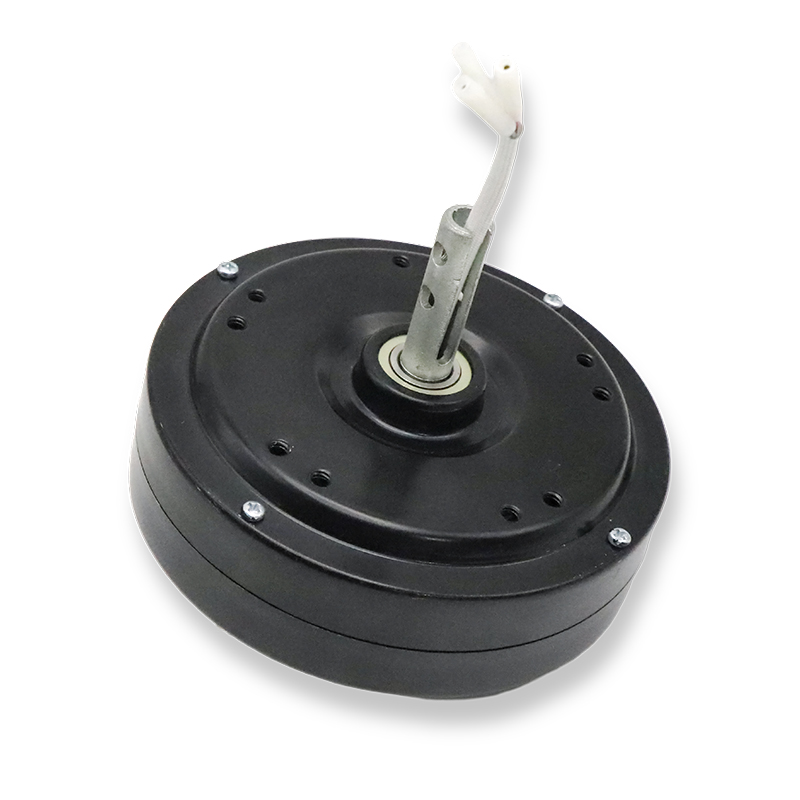
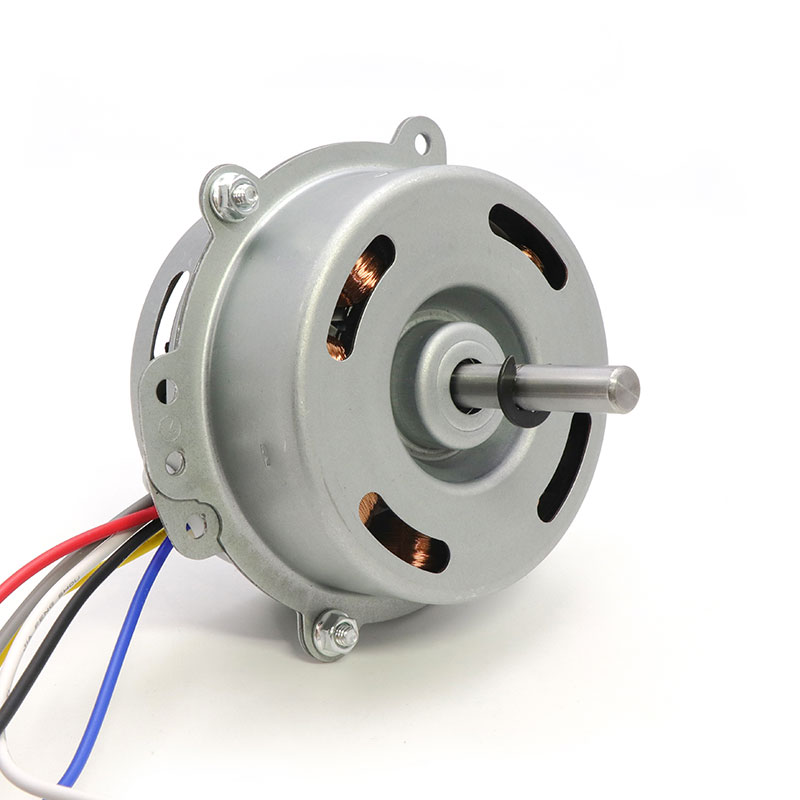
What Does a DC Motor Supplier Provide?
A professional DC Motor Supplier provides the products, engineering support, manufacturing capabilities, and quality management needed to produce reliable DC motor solutions.
Depending on the project, services may include:
- Standard DC motor supply
- Custom DC motor development
- OEM manufacturing
- ODM manufacturing
- Motor specification optimization
- Shaft customization
- Winding configuration
- Housing design
- Performance testing
- Component manufacturing
- Final assembly
- Quality inspection
For industrial customers, this integrated approach can be more valuable than simply purchasing a standard motor from a distributor.
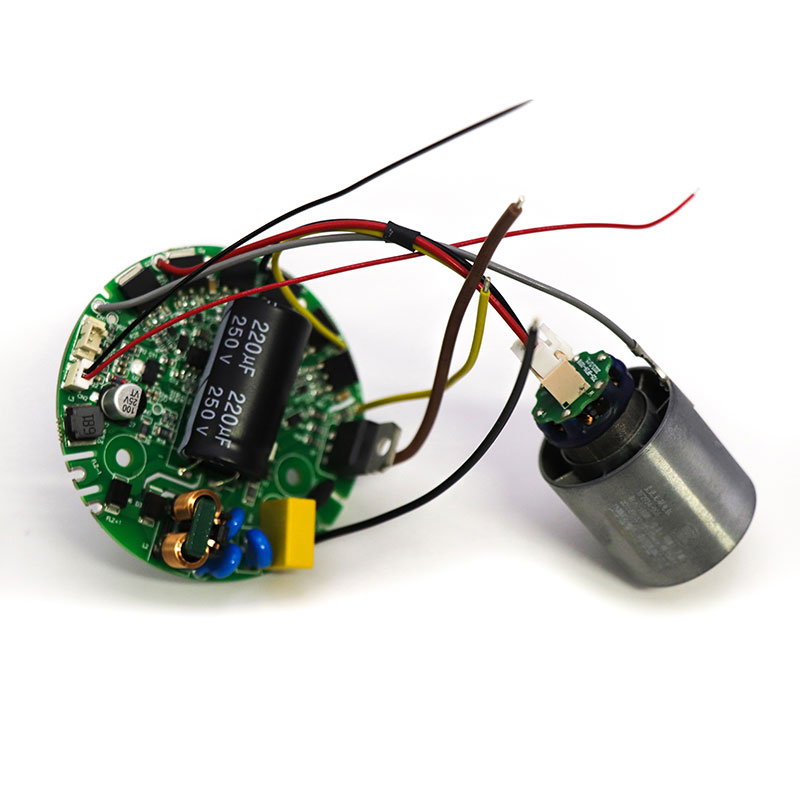
Why Choosing the Right DC Motor Supplier Matters
Product Reliability
The quality of the motor directly influences the reliability of the final equipment. Poor winding quality, inaccurate assembly, inadequate bearings, or insufficient testing can result in premature failure.
A qualified manufacturing partner should maintain consistent production processes and inspection procedures.
Stable Production Quality
For OEM customers, consistency is critical. A motor that performs well during prototype testing but changes significantly during mass production can create serious manufacturing problems.
Professional production management helps maintain consistent electrical and mechanical characteristics between batches.
Engineering Support
Motor selection involves more than voltage and power. Engineers must consider speed, torque, duty cycle, load characteristics, installation space, temperature, noise, and environmental conditions.
An experienced supplier can help customers evaluate these parameters before production begins.
Flexible Customization
Different products often require different motor specifications. Customization can include dimensions, shaft configuration, mounting holes, connectors, winding parameters, and operating characteristics.
This flexibility is particularly important for OEM and ODM projects.
Types of DC Motors Available for Different Applications
The term DC motor covers several different technologies. The appropriate solution depends on the application.
Brushed DC Motors
Brushed DC motors use mechanical brushes and a commutator to transfer electrical current to the rotating armature.
They can provide a relatively simple and economical solution for applications where precise electronic commutation is not required.
Typical applications include small equipment, appliances, mechanisms, and cost-sensitive products.
Brushless DC Motors
Brushless DC motors use electronic commutation rather than mechanical brushes.
Advantages can include:
- High efficiency
- Reduced mechanical wear
- Long operating life
- Precise speed control
- Low maintenance requirements
BLDC motors are commonly used in industrial automation, HVAC equipment, pumps, fans, medical devices, robotics, and smart appliances.
Geared DC Motors
A geared DC motor combines a motor with a gearbox to increase output torque while reducing rotational speed.
These motors are useful for mechanisms that require controlled movement and higher torque.
Applications may include:
- Automated mechanisms
- Door systems
- Small conveyors
- Actuators
- Robotics
- Adjustment systems
Key Specifications to Discuss With a DC Motor Supplier
Before placing an order, customers should provide as much application information as possible.
Rated Voltage
The motor should be compatible with the equipment’s power supply.
Common applications may require different voltage configurations depending on the electrical system and controller.
Rated Speed
Motor speed determines how quickly the shaft rotates under a specified load.
Applications may require fixed-speed operation or variable-speed control.
Torque
Torque is one of the most important mechanical parameters.
The required torque depends on:
- Load weight
- Mechanical resistance
- Acceleration
- Gear ratio
- Operating speed
- Duty cycle
Selecting a motor with insufficient torque may cause overheating, unstable operation, or premature failure.
Motor Dimensions
Physical dimensions must match the available installation space.
Important measurements include:
- Motor diameter
- Motor length
- Shaft diameter
- Shaft length
- Mounting hole position
- Housing dimensions
- Connector location
Duty Cycle
The supplier should understand whether the motor operates continuously, intermittently, or under repeated start-stop conditions.
Duty cycle directly affects thermal design and expected service life.
Materials Used in DC Motor Manufacturing
Material selection has a significant impact on motor performance.
Copper
Copper is commonly used for windings because of its excellent electrical conductivity.
Proper winding design helps reduce electrical resistance and heat generation.
Electrical Steel
Electrical steel is used in magnetic cores to support efficient electromagnetic operation.
Material quality and lamination design influence efficiency and power loss.
Permanent Magnets
Permanent magnets are especially important in brushless motor designs. Their magnetic characteristics influence torque, efficiency, temperature performance, and overall motor behavior.
Precision Metal Components
Motor shafts, housings, brackets, and other components require accurate dimensions and reliable mechanical properties.
ZhengQiang Technology’s precision metal manufacturing capabilities can support the production of components used in motor assemblies.
Applications Served by a DC Motor Supplier
DC motor technology is used across a broad range of industries.
Home Appliances
Motors are essential components in many household products, including fans, pumps, cleaning equipment, kitchen appliances, and smart devices.
Industrial Automation
Automation systems require motors for conveyors, actuators, positioning mechanisms, feeders, and other motion-control applications.
Medical Equipment
Medical and laboratory equipment may require compact motors with low noise, stable speed, and reliable long-term performance.
HVAC Equipment
Fans, blowers, dampers, pumps, and other HVAC components can use DC or brushless motor technology to improve energy efficiency and speed control.
Pumps and Fluid Systems
DC motors can drive small pumps used for water circulation, cooling, dispensing, and other fluid-handling applications.
Robotics
Robotic equipment requires accurate and repeatable movement. DC and BLDC motors can be combined with controllers and feedback systems to provide controlled motion.
Customization Options From an Experienced DC Motor Supplier
Standard motors may not always meet the requirements of specialized equipment. A professional manufacturer can provide customized configurations.
Shaft Customization
Shaft diameter, length, shape, keyways, threads, and other machining features can be adjusted according to the customer’s mechanical interface.
Winding Customization
Different winding configurations can be developed to achieve the required balance between voltage, speed, torque, and efficiency.
Housing Customization
The motor housing can be adapted to fit available installation space or specific environmental requirements.
Connector Customization
Connector type and cable configuration can be adjusted to simplify electrical integration.
Mounting Customization
Mounting holes, brackets, flanges, and other mechanical interfaces can be customized for different equipment designs.
Quality Control at a Professional DC Motor Supplier
Motor quality depends on both component quality and manufacturing consistency.
Incoming Material Inspection
Raw materials and purchased components should be inspected before entering production.
Winding Inspection
Winding resistance, insulation performance, and electrical characteristics should be verified according to product specifications.
Rotor Balancing
Rotor imbalance can cause vibration, noise, and unnecessary mechanical stress.
Dynamic balancing helps improve smooth operation.
Electrical Testing
Finished motors may undergo:
- Voltage testing
- Current testing
- Speed testing
- Load testing
- Insulation testing
- Temperature testing
Noise and Vibration Testing
For applications where acoustic performance matters, noise and vibration measurements can help verify product consistency.
Final Inspection
Final inspection confirms that the motor meets dimensional, electrical, mechanical, and appearance requirements before shipment.
How to Evaluate a DC Motor Supplier
When comparing potential suppliers, buyers should consider more than the quoted unit price.
Manufacturing Capability
Check whether the supplier has the equipment and production capacity required for the project.
Engineering Experience
A supplier with experienced engineers can provide more effective support during motor selection and product development.
Quality Management
Ask about incoming inspection, in-process inspection, final testing, and traceability procedures.
Production Capacity
The supplier should be able to support both prototype development and future volume requirements.
Customization Capability
For OEM projects, customization capabilities can be more important than the number of standard products available.
Communication
Fast and accurate technical communication can reduce development delays and avoid specification misunderstandings.
Why Choose ZhengQiang Technology as Your DC Motor Supplier?
ZhengQiang Technology provides integrated manufacturing solutions for customers requiring reliable motors and precision-engineered components.
Our capabilities include:
- DC motor manufacturing
- BLDC motor development
- OEM and ODM production
- Precision metal processing
- CNC machining
- Metal stamping
- Tooling and mold development
- Motor component manufacturing
- Assembly
- Quality inspection
By combining motor manufacturing with precision component production, ZhengQiang can help customers simplify their supply chain and maintain better control over product quality.
Our engineering team can work with customers to evaluate motor requirements and develop solutions based on application conditions.
Learn more:
Frequently Asked Questions About DC Motor Suppliers
What should I consider when choosing a DC Motor Supplier?
Consider manufacturing capability, engineering support, quality control, customization options, production capacity, lead time, and experience with similar applications.
Can a DC Motor Supplier provide custom motors?
Yes. OEM manufacturers can customize motor dimensions, voltage, speed, torque, shaft configuration, winding design, connectors, mounting structures, and other specifications.
What is the difference between a DC motor and a BLDC motor?
A traditional brushed DC motor uses mechanical brushes for commutation, while a BLDC motor uses electronic commutation. BLDC motors generally offer lower mechanical wear and can provide high efficiency and long operating life.
Can DC motors be used in industrial equipment?
Yes. DC motors can be used in automation equipment, pumps, fans, actuators, medical equipment, HVAC systems, robotics, and many other applications.
How do I provide requirements to a motor manufacturer?
Provide information such as voltage, speed, torque, dimensions, duty cycle, load characteristics, operating environment, shaft requirements, and expected production quantity. CAD drawings or existing motor samples can also help accelerate the development process.
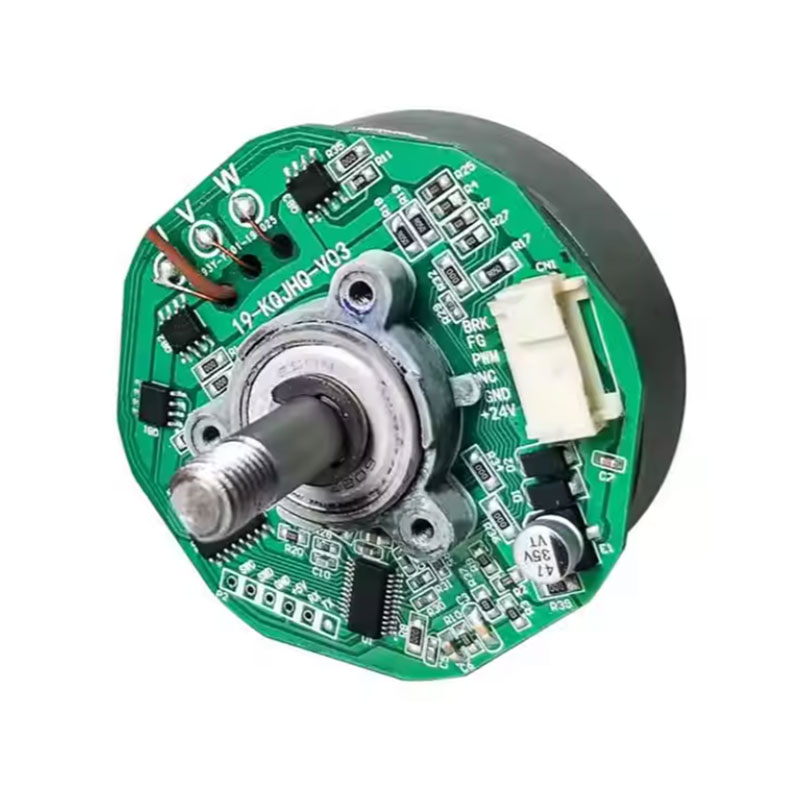
Conclusion
Selecting a reliable DC Motor Supplier is an important step for OEM and industrial equipment manufacturers. The right supplier can provide not only suitable motor products but also engineering support, customization, quality control, and stable production.
From brushed DC motors and brushless motors to geared motor solutions, the best motor should be selected according to the actual requirements of the equipment. Voltage, speed, torque, dimensions, duty cycle, operating environment, and production volume should all be evaluated before finalizing the design.
ZhengQiang Technology combines motor manufacturing with precision metal processing, stamping, tooling, assembly, and quality management capabilities. This integrated manufacturing approach provides OEM and ODM customers with a practical partner for both motor development and industrial component production.
For more information about motor manufacturing and customized solutions, visit: