- Information Classification
Electronic Components Hardware Supply Chain Guide
In advanced manufacturing environments, the electronic components hardware supply chain is no longer a supporting function—it is a core engineering system that directly impacts product reliability, production continuity, and cost structure. As electronic products become more complex, managing component sourcing, validation, and lifecycle has become increasingly challenging.
From semiconductors to passive components and electromechanical parts, every element within the electronic components hardware supply chain must meet strict requirements in terms of electrical performance, tolerance stability, and long-term availability. Even a minor disruption in supply or variation in component quality can lead to production delays or system failure.
Zhengqiang Technology Group provides integrated solutions covering component manufacturing, precision engineering, and supply chain coordination. With strong vertical integration and global sourcing capabilities, the company supports customers in building resilient and scalable supply networks. Learn more at https://www.zqatech.com/
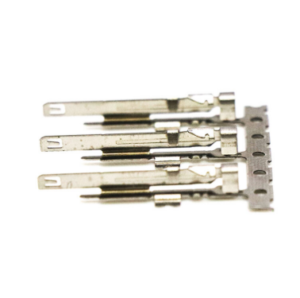
Defining the Electronic Components Hardware Supply Chain
The electronic components hardware supply chain refers to a structured system that manages the flow of components from specification to end-use in hardware products. Unlike traditional supply chains, it must integrate engineering validation, compliance requirements, and lifecycle control.
Core Functional Layers
- Engineering definition (component selection & specification)
- Supplier qualification and AVL management
- Procurement and sourcing strategy
- Manufacturing and quality validation
- Inventory and logistics coordination
- Lifecycle and obsolescence management
Each layer within the electronic components hardware supply chain must operate with high precision to ensure system stability.
BOM-Centric Architecture in Supply Chain Engineering
Role of BOM (Bill of Materials)
The BOM acts as the central control document in the electronic components hardware supply chain, defining every component required for production.
A typical BOM includes:
- Part number and revision
- Electrical and mechanical specifications
- Approved manufacturers
- Alternative components
Accurate BOM management ensures traceability and reduces sourcing errors.
BOM Risk Factors
- Incorrect specification mapping
- Lack of approved alternates
- Obsolete components
- Supplier dependency
Managing these risks is essential for maintaining a stable electronic components hardware supply chain.
Supplier Qualification and AVL Strategy
Approved Vendor List (AVL)
The AVL system ensures that only verified suppliers are included in the electronic components hardware supply chain.
Evaluation Criteria
- Certification (ISO 9001, IATF 16949)
- Production capacity and scalability
- Historical quality performance (DPPM)
- Lead time consistency
A strong AVL structure reduces supply variability and improves quality consistency.
Supplier Performance Metrics
Key KPIs include:
- On-time delivery (OTD)
- Defect rate (DPPM)
- Cost competitiveness
- Responsiveness to engineering changes
These metrics are critical for maintaining efficiency within the electronic components hardware supply chain.
Strategic Sourcing Models
Multi-Sourcing Strategy
To reduce dependency risks, companies implement multi-sourcing strategies within the electronic components hardware supply chain.
Benefits
- Increased supply resilience
- Reduced risk of disruption
- Improved pricing leverage
Long-Term Agreements (LTA)
Long-term supplier agreements help stabilize pricing and ensure supply continuity, especially for critical components.
Distributor vs Direct Sourcing
- Direct sourcing: better pricing and traceability
- Distributor sourcing: flexibility and shorter lead times
A balanced approach is often required for an optimized electronic components hardware supply chain.
Manufacturing Integration and Process Control
Vertical Integration
Vertical integration strengthens control over production quality and lead time, making the electronic components hardware supply chain more reliable.
Quality Control Stages
- IQC (Incoming Quality Control)
- IPQC (In-Process Quality Control)
- FQC (Final Quality Control)
Each stage ensures compliance with engineering specifications.
Zhengqiang Technology Group integrates manufacturing and quality systems to ensure stable production and consistent component performance. Learn more at https://www.zqatech.com/
Inventory and Demand Planning Models
Safety Stock Calculation
Safety stock is calculated based on:
- Demand variability
- Lead time uncertainty
- Service level targets
Proper planning reduces risk in the electronic components hardware supply chain.
JIT vs Buffer Inventory
- JIT improves efficiency but increases risk
- Buffer inventory improves stability but increases cost
A hybrid model is widely used in modern supply chains.
Lifecycle and Obsolescence Management
Component Lifecycle Phases
- Introduction
- Growth
- Maturity
- End-of-Life (EOL)
Managing lifecycle transitions is critical in the electronic components hardware supply chain.
PCN and EOL Monitoring
- PCN (Product Change Notification)
- EOL (End of Life notice)
Proactive monitoring prevents production disruption.
Risk Management Framework
Supply Disruption Risk
Global events and logistics challenges can disrupt the electronic components hardware supply chain.
Mitigation strategies:
- Regional diversification
- Safety stock
- Dual sourcing
Counterfeit Risk
Counterfeit components can compromise product reliability.
Prevention methods:
- Authorized sourcing
- Traceability systems
- Incoming inspection
Cost Volatility
Fluctuations in raw materials and logistics costs affect supply chain stability.
Digital Transformation in Supply Chain
ERP and MES Systems
Modern electronic components hardware supply chain systems rely on:
- ERP for planning and procurement
- MES for production tracking
AI and Predictive Analytics
AI improves:
- Demand forecasting
- Inventory optimization
- Risk prediction
Traceability Technologies
Advanced systems enable full traceability from supplier to end product.
Industry-Specific Requirements
Automotive Electronics
- Functional safety compliance
- Long lifecycle requirements
- Zero-defect quality targets
Industrial Automation
- High reliability
- Long-term availability
- Harsh environment performance
Consumer Electronics
- Cost efficiency
- Rapid production cycles
- High scalability
Why Choose Zhengqiang Technology Group?
Zhengqiang Technology Group delivers comprehensive solutions for the electronic components hardware supply chain, including:
- Integrated manufacturing and sourcing
- Strong supplier network
- Engineering-driven quality control
- Global logistics support
With a focus on precision and reliability, the company helps customers build efficient and scalable supply systems. Visit https://www.zqatech.com/ to learn more.
Future Trends in Electronic Components Hardware Supply Chain
Regionalization
Supply chains are shifting toward regional hubs to reduce risk.
Sustainability
Eco-friendly materials and processes are becoming standard.
Automation
Automation improves efficiency and reduces human error.
Data-Driven Optimization
Big data is transforming supply chain decision-making.
Conclusion
The electronic components hardware supply chain is a highly technical and structured system that requires precise coordination across engineering, sourcing, and logistics. Companies that invest in supply chain optimization can achieve better cost control, improved quality, and stronger resilience.
By implementing strategies such as BOM management, supplier qualification, and risk mitigation, businesses can strengthen their operations and remain competitive in global markets. Partnering with experienced manufacturers like Zhengqiang Technology Group ensures long-term success and stability.


FAQ
What is an electronic components hardware supply chain?
It is a system that manages sourcing, manufacturing, and delivery of electronic components.
Why is BOM important?
It defines all components and ensures accurate sourcing and production.
How can risks be reduced?
Through multi-sourcing, inventory planning, and supplier qualification.
What is AVL?
An approved vendor list used to ensure supplier quality and reliability.
Where can I find supply chain solutions?
Visit https://www.zqatech.com/
📩 Contact Us
Looking to build a reliable and scalable electronic components hardware supply chain?
Zhengqiang Technology Group offers engineering-driven solutions tailored to your business.
👉 Visit https://www.zqatech.com/ today and get your quote!