- Information Classification
Hardware Design in Automotive for Smart Vehicle Systems
The global automotive industry is undergoing a profound transformation driven by electrification, digitalization, and automation. At the center of this evolution lies hardware design in automotive, which serves as the backbone for modern vehicle functionality, safety, and intelligence.
As vehicles become increasingly complex, integrating electronic systems, sensors, and advanced materials, the demand for high-quality hardware solutions continues to grow. From traditional internal combustion vehicles to electric and autonomous platforms, robust hardware design determines not only performance but also long-term reliability.
Zhengqiang Technology Group, a high-tech enterprise specializing in precision components and electronic manufacturing, provides comprehensive support for automotive innovation. With advanced production capabilities and global supply experience, the company plays a vital role in enabling high-performance automotive hardware systems. Learn more at https://www.zqatech.com/
What Is Hardware Design in Automotive?
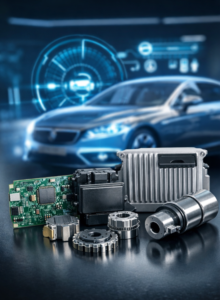
Hardware design in automotive refers to the engineering and development of physical components that enable vehicle systems to operate effectively. These components include electronic devices, mechanical structures, sensor modules, and integrated systems.
Unlike software, which controls logic and functionality, hardware provides the physical foundation that supports system execution. Without reliable hardware design, even the most advanced software cannot perform efficiently.
In modern vehicles, hardware design must address multiple challenges, including:
- Harsh environmental conditions such as extreme temperatures and humidity
- Continuous vibration and mechanical stress
- High reliability requirements for safety-critical systems
- Integration with complex electronic architectures
A well-optimized hardware design ensures seamless system operation, reduced failure rates, and improved overall vehicle performance.
Core Elements of Hardware Design in Automotive Systems
Electronic Components and Circuit Design
Electronic components form the nervous system of modern vehicles. These include capacitors, resistors, integrated circuits, and printed circuit boards (PCBs) that handle data processing and signal transmission.
Efficient hardware design in automotive electronics ensures stable communication between systems, low power consumption, and high-speed processing capabilities. Poor design can lead to signal interference, overheating, or system failure.
Zhengqiang Technology Group offers high-quality electronic components designed for demanding automotive applications. Their expertise ensures consistent performance and reliability. Explore more: https://www.zqatech.com/
Precision Mechanical Components
Mechanical components provide the structural framework that supports electronic systems. These include stamped metal parts, housings, brackets, and connectors.
Precision is critical in hardware design. Even minor deviations can affect system alignment and performance. Advanced manufacturing techniques such as precision stamping and CNC machining are essential to achieving tight tolerances.
Zhengqiang specializes in precision metal stamping and mold manufacturing, ensuring high consistency across large-scale production. Learn more about our capabilities: https://www.zqatech.com/
Thermal Management and Heat Dissipation
Thermal control is one of the most important aspects of hardware design in automotive applications. Electronic components generate heat during operation, and without proper dissipation, system performance can degrade rapidly.
Engineers must design components that efficiently manage heat through:
- Advanced materials with high thermal conductivity
- Optimized structural layouts
- Surface treatment technologies
Zhengqiang integrates advanced coating and material solutions to enhance heat resistance and durability, ensuring long-term stability in automotive environments.
Sensor Integration and System Connectivity
Modern vehicles rely heavily on sensors for perception and control. Hardware design must ensure seamless integration of sensors with control units and communication systems.
This includes designing interfaces that support real-time data transmission and minimize latency. Effective integration enables features such as:
- Adaptive cruise control
- Collision avoidance systems
- Autonomous driving functions
Zhengqiang’s manufacturing expertise supports the development of high-precision components required for sensor-based systems. Visit https://www.zqatech.com/ to explore solutions.
Benefits of Advanced Hardware Design in Automotive
Enhanced Safety and Reliability
Safety is the top priority in automotive design. High-quality hardware ensures that critical systems operate accurately and consistently, reducing the risk of failure.
Improved Performance Efficiency
Optimized hardware design enhances system responsiveness, reduces energy consumption, and improves overall vehicle performance.
Durability in Harsh Conditions
Vehicles operate in extreme environments. Robust hardware design ensures long-term durability under conditions such as heat, vibration, and moisture.
Scalability for Future Technologies
As automotive technology evolves, hardware systems must adapt to new requirements. Flexible design allows manufacturers to upgrade systems without major redesigns.
Applications of Hardware Design in Automotive Industry
Hardware design plays a crucial role across various automotive systems, including:
Advanced Driver Assistance Systems (ADAS)
ADAS relies on hardware components such as sensors, control units, and communication modules to enhance driver safety.
Electric Vehicle Systems
Electric vehicles require advanced hardware for battery management, power control, and energy efficiency.
Engine Control Units (ECUs)
ECUs manage engine performance and emissions. Reliable hardware ensures accurate data processing and system stability.
Infotainment and Connectivity
Modern vehicles include advanced infotainment systems that require robust hardware for seamless user experience.
Manufacturing Technologies Supporting Automotive Hardware Design
Precision Stamping and Fabrication
Precision stamping ensures consistent production of metal components with tight tolerances. This is essential for maintaining system integrity.
Mold Development and Tooling
High-quality molds enable efficient mass production while maintaining accuracy and consistency.
Surface Treatment Processes
Surface treatments such as plating and coating improve corrosion resistance and extend product lifespan.
Quality Assurance and Testing
Strict testing procedures ensure that all components meet automotive standards. These include:
- Mechanical testing
- Electrical performance testing
- Environmental stress testing
Zhengqiang Technology Group implements comprehensive quality control systems to guarantee product reliability. Learn more: https://www.zqatech.com/
Future Trends in Hardware Design in Automotive
The future of hardware design is shaped by several emerging trends:
Electrification and Energy Efficiency
As electric vehicles become mainstream, hardware design must focus on efficient energy management and thermal control.
Miniaturization and Lightweight Design
Reducing size and weight is critical for improving vehicle efficiency and performance.
Integration with AI and Smart Systems
Hardware must support advanced software systems, including artificial intelligence and machine learning.
Sustainability and Green Manufacturing
Environmental considerations are becoming increasingly important in automotive production.
These trends highlight the growing importance of innovation in hardware design in automotive development.
Why Choose Zhengqiang Technology Group?
Zhengqiang Technology Group offers comprehensive solutions for automotive hardware design, combining innovation with manufacturing excellence:
- Advanced R&D capabilities
- Expertise in electronic components and precision parts
- Integrated production processes
- Strong global supply chain
With years of experience and a commitment to quality, Zhengqiang provides reliable solutions for automotive manufacturers worldwide. Visit https://www.zqatech.com/ to explore partnership opportunities.
Conclusion
Hardware design in automotive is a critical factor in shaping the future of mobility. It directly influences safety, performance, and system reliability across all vehicle platforms.
As the automotive industry continues to evolve, the need for high-quality, innovative hardware solutions will only increase. Companies that invest in advanced design and manufacturing capabilities will gain a significant competitive advantage.
Zhengqiang Technology Group stands ready to support this transformation with precision engineering, advanced manufacturing, and global expertise. Discover more at https://www.zqatech.com/
FAQ About Hardware Design in Automotive
What does hardware design in automotive include?
It includes electronic components, mechanical parts, sensors, and integrated systems used in vehicles.
Why is hardware design important?
It ensures system stability, safety, and long-term performance in automotive applications.
What challenges exist in automotive hardware design?
Challenges include thermal management, environmental resistance, and system integration.
How does hardware design support electric vehicles?
It enables efficient power management, battery control, and system reliability.
Where can I find a reliable manufacturer?
You can explore professional solutions at https://www.zqatech.com/
📩 Contact Us
Looking for a reliable partner in automotive hardware design?
Zhengqiang Technology Group provides high-quality, customized solutions to meet your needs.
👉 Visit https://www.zqatech.com/ today and start your next project with confidence!