- Information Classification
High-Purity Alumina Ceramics for Advanced Applications
Introduction to High-Purity Alumina Ceramics
In modern industrial and technological development, material selection has become a decisive factor in determining product performance, durability, and reliability. Among a wide range of advanced materials, High-purity alumina ceramics have established themselves as one of the most critical engineering materials for high-performance applications.
With purity levels typically exceeding 99%, High-purity alumina ceramics offer exceptional mechanical strength, superior thermal stability, excellent electrical insulation, and outstanding resistance to corrosion and wear. These characteristics make them indispensable in industries such as electronics, semiconductors, aerospace, medical devices, energy systems, and precision manufacturing.
As global industries move toward higher efficiency, miniaturization, and reliability, the demand for High-purity alumina ceramics continues to grow rapidly. Manufacturers are increasingly integrating these materials into their products to enhance performance and extend lifecycle value.
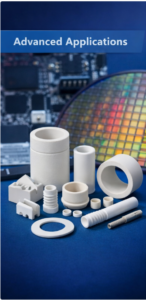
What Are High-Purity Alumina Ceramics?
High-purity alumina ceramics are advanced ceramic materials primarily composed of aluminum oxide (Al₂O₃) with extremely low impurity levels. Compared to standard alumina ceramics, high-purity variants provide significantly improved physical, chemical, and electrical properties.
Composition and Purity Levels
-
99% alumina: General industrial applications
-
99.5% alumina: Enhanced wear and corrosion resistance
-
99.9% alumina: Semiconductor and electronics applications
-
99.99% alumina: Ultra-high purity for specialized industries
The higher the purity, the better the performance in demanding environments.
Key Properties of High-Purity Alumina Ceramics
Exceptional Mechanical Strength
One of the defining features of High-purity alumina ceramics is their high hardness and compressive strength. These materials can withstand heavy loads and resist abrasion, making them ideal for wear-intensive applications.
Superior Thermal Stability
High-purity alumina ceramics can operate at temperatures exceeding 1500°C without significant deformation. This makes them suitable for high-temperature environments such as furnaces and thermal processing equipment.
Excellent Electrical Insulation
Due to their dielectric properties, High-purity alumina ceramics are widely used in electronic components, including substrates and insulators.
Outstanding Chemical Resistance
These ceramics resist corrosion from acids, alkalis, and aggressive chemicals, ensuring long-term stability in harsh environments.
Low Thermal Expansion
Low thermal expansion minimizes the risk of cracking under temperature fluctuations.
Manufacturing Process of High-Purity Alumina Ceramics
Producing High-purity alumina ceramics requires advanced technology and strict quality control at every stage.
Raw Material Selection
High-purity alumina powder is carefully selected and processed to remove impurities.
Forming Methods
-
Dry pressing
-
Isostatic pressing
-
Injection molding
-
Tape casting
Each method is chosen based on product design and application requirements.
Sintering Technology
Sintering at high temperatures densifies the material and enhances its mechanical properties.
Precision Machining
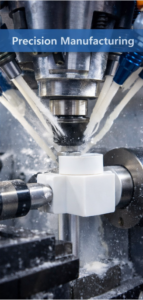
Post-sintering machining ensures tight tolerances and complex geometries.
Surface Treatment
Polishing, coating, and finishing processes improve surface quality and performance.
Applications of High-Purity Alumina Ceramics
Electronics and Semiconductor Industry
High-purity alumina ceramics are widely used in substrates, insulators, and semiconductor components due to their excellent electrical properties.
Medical and Healthcare Applications
Their biocompatibility and chemical stability make them suitable for implants, dental components, and medical devices.
Aerospace and Defense
High temperature resistance and mechanical strength make these ceramics ideal for aerospace applications.
Industrial Equipment and Machinery
Used in wear-resistant components, seals, bearings, and cutting tools.
Energy and Power Systems
Applied in power generation, battery systems, and renewable energy equipment.
Advantages of High-Purity Alumina Ceramics
Extended Service Life
Durability reduces maintenance and replacement frequency.
High Reliability
Stable performance ensures consistent operation.
Cost Efficiency Over Time
Although initial costs may be higher, long-term savings are significant.
Customization Flexibility
Manufacturers can tailor properties and shapes to specific needs.
Cost Factors and Pricing Considerations
Understanding cost structure is important when sourcing High-purity alumina ceramics.
Material Costs
Higher purity materials are more expensive.
Manufacturing Complexity
Complex designs increase production costs.
Tooling and Processing
Custom molds and precision machining affect pricing.
Surface Finishing
Additional treatments add value and cost.
Logistics and Packaging
Shipping and packaging must ensure product safety.
Quality Control and Industry Standards
Reliable manufacturers implement strict quality control systems.
Inspection Procedures
-
Raw material inspection
-
In-process quality checks
-
Final product testing
Certifications
-
ISO 9001
-
RoHS compliance
-
Industry-specific certifications
Testing Methods
-
Mechanical strength testing
-
Thermal performance testing
-
Electrical insulation testing
These processes ensure that High-purity alumina ceramics meet global standards.
Supply Chain and Global Sourcing Strategies
Supplier Selection
Choose experienced manufacturers with strong technical capabilities.
Production Capacity
Ensure the supplier can meet demand.
Logistics Efficiency
Reliable shipping ensures timely delivery.
Risk Management
Diversified sourcing reduces supply chain risks.
Zhengqiang Technology Group: A Reliable Global Supplier
Zhengqiang Technology Group is a high-tech enterprise specializing in advanced materials, precision components, and intelligent manufacturing.
The company provides high-quality High-purity alumina ceramics with strong R&D capabilities and global supply experience.
Key advantages include:
-
Advanced production facilities
-
Strict quality control systems
-
Custom engineering solutions
-
Competitive pricing
Learn more:
Future Trends in High-Purity Alumina Ceramics
Advanced Material Innovation
New formulations improve performance and expand applications.
Smart Manufacturing
Automation and AI enhance production efficiency.
Sustainability
Eco-friendly processes are becoming industry standards.
Integration with Emerging Technologies
Used in next-generation electronics and energy systems.
Challenges in the Industry
High Production Costs
Advanced processes require significant investment.
Technical Complexity
Precision manufacturing demands expertise.
Market Competition
Manufacturers must differentiate through quality and innovation.
How to Choose the Right Manufacturer
When selecting a supplier of High-purity alumina ceramics, consider:
-
Technical expertise
-
Production capabilities
-
Quality assurance systems
-
Customization options
-
Communication and support
A reliable partner can significantly impact your project success.
Conclusion
High-purity alumina ceramics are essential materials for modern high-performance industries. Their unique combination of strength, thermal resistance, and chemical stability makes them indispensable across a wide range of applications.
As technology continues to advance, the importance of high-quality ceramic materials will only increase. Partnering with a trusted manufacturer ensures access to reliable products and long-term success.
Contact Zhengqiang Technology Group today to explore how our high-purity alumina ceramic solutions can support your business and enhance your competitive advantage in the global market.
FAQ
What are High-purity alumina ceramics used for?
They are used in electronics, medical devices, aerospace, and industrial applications.
What purity levels are available?
Typically from 99% to 99.99%.
Are these ceramics customizable?
Yes, they can be tailored to specific requirements.
Why choose alumina ceramics over metals?
They offer better thermal resistance, insulation, and corrosion resistance.
How do I choose a supplier?
Consider experience, certifications, and customization capabilities.