- Information Classification
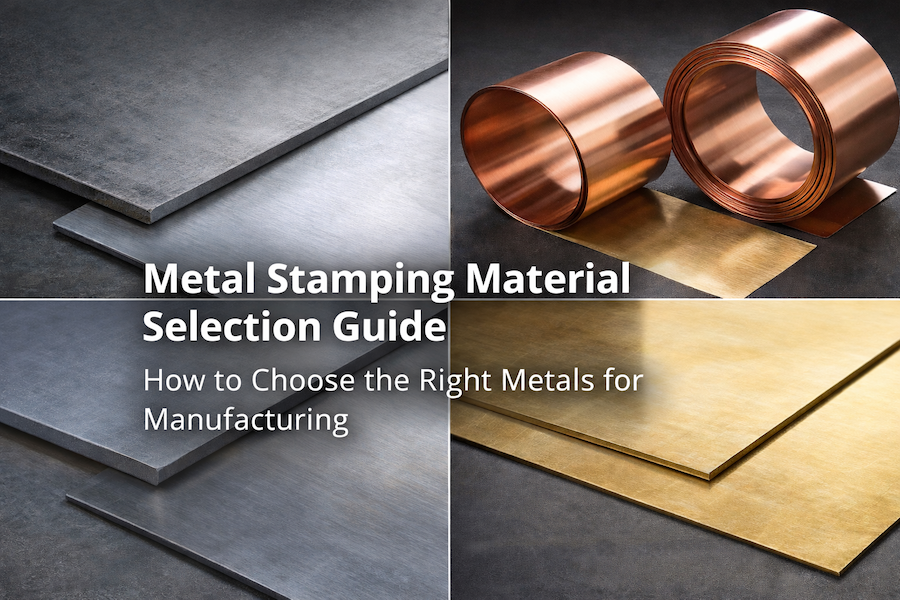
Metal Stamping Material Selection: How to Choose the Right Metals for Industrial Manufacturing
Introduction
Metal stamping material selection is the foundation of successful stamping manufacturing, directly influencing product performance, tooling life, dimensional accuracy, and long-term cost control. Selecting the wrong material may lead to cracking, deformation, corrosion issues, or unstable mass production.
In modern industrial manufacturing, stamped components are widely used in automotive systems, electrical equipment, electronics, energy devices, and industrial machinery. A systematic and experience-driven approach to material selection helps manufacturers achieve consistent quality, predictable output, and reliable supply chains.
🔗 Internal link:
https://www.zqatech.com/
Key Principles of Metal Stamping Material Selection
Choosing suitable metals for stamping requires a comprehensive evaluation of functional requirements, processing behavior, and economic feasibility. Below are the most important principles manufacturers consider.
Mechanical Strength and Structural Requirements
Mechanical performance is one of the primary considerations in metal stamping material selection. Components exposed to high loads or vibration require sufficient tensile strength and fatigue resistance. In contrast, precision parts often prioritize dimensional stability rather than maximum strength.
Understanding the real working conditions of the stamped part allows engineers to avoid overdesign and unnecessary material costs.
Formability and Manufacturing Feasibility
Formability determines whether a metal can withstand bending, drawing, and shaping without cracking or tearing. Materials with good ductility are preferred for complex geometries, deep-drawn parts, and high-precision stamping operations.
Poor formability not only increases scrap rates but also accelerates tool wear and reduces production efficiency.
Environmental Conditions and Corrosion Resistance
Operating environment plays a decisive role in metal stamping material selection. Components used outdoors, in humid conditions, or exposed to chemicals must maintain stable performance over time.
Materials with inherent corrosion resistance or compatibility with surface treatments help extend product lifespan and reduce maintenance costs.
Electrical and Thermal Performance Requirements
For electrical and electronic components, conductivity becomes a critical factor. Metals with high electrical and thermal conductivity are widely used in connectors, terminals, and power distribution systems.
In such applications, material purity and consistency are especially important to ensure reliable performance.
Cost Efficiency and Production Scalability
Material cost should always be evaluated together with processing efficiency and production volume. Some metals may have higher raw material prices but offer better formability, longer tooling life, and lower rejection rates—resulting in lower total manufacturing costs over time.
Common Metals Used in Metal Stamping Applications
Carbon Steel in Industrial Stamping
Carbon steel remains one of the most widely used materials due to its affordability, strength, and versatility. Low-carbon grades offer excellent formability, making them suitable for high-speed stamping and large-scale production.
Typical applications include brackets, enclosures, and structural components.
Stainless Steel for Harsh and Hygienic Environments
Stainless steel is often selected when corrosion resistance, cleanliness, and long service life are required. Its stable performance under extreme conditions makes it suitable for medical devices, food processing equipment, and outdoor installations.
Aluminum Alloys for Lightweight Designs
Aluminum alloys are valued for their low density, good corrosion resistance, and ease of forming. These properties make aluminum an ideal choice for industries that prioritize weight reduction and energy efficiency.
Common uses include automotive components, consumer electronics, and energy-related products.
Copper and Brass for Electrical Components
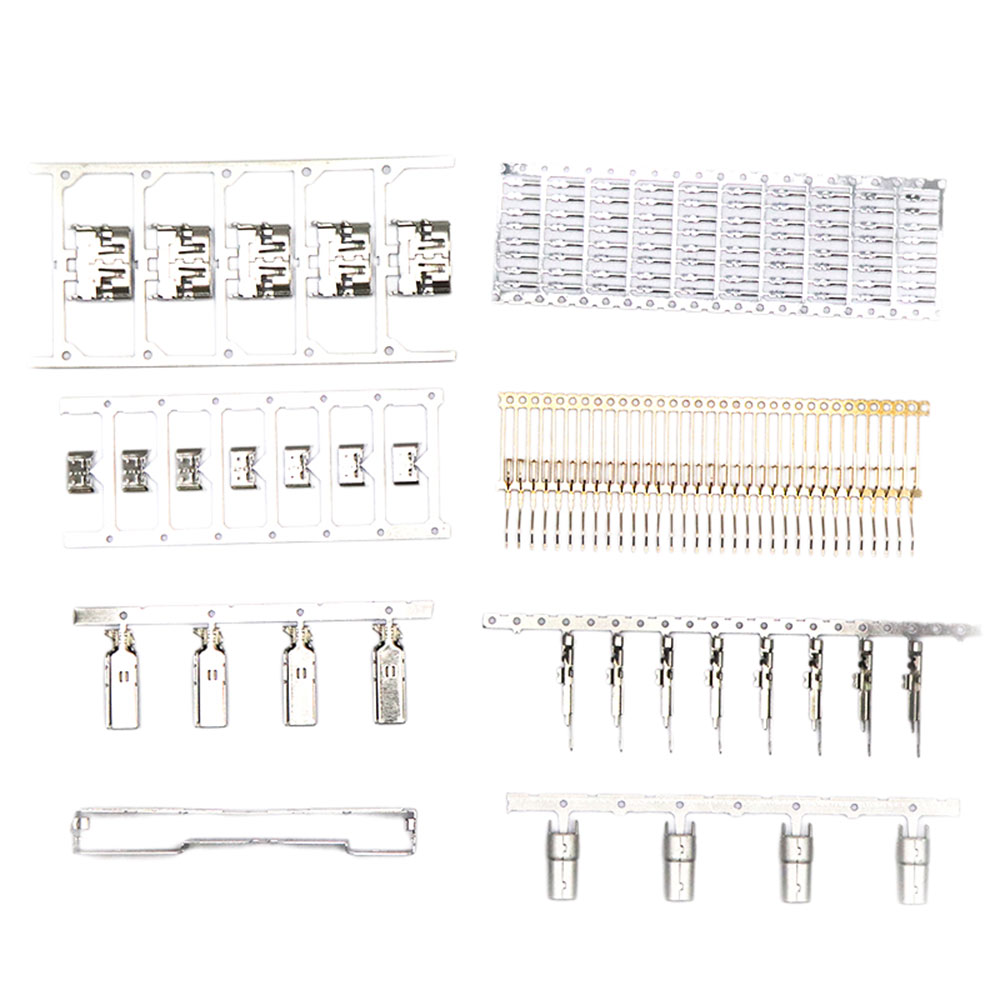
Copper and brass play a key role in metal stamping material selection for electrical applications. Their excellent conductivity and reliable forming characteristics make them ideal for terminals, connectors, and contact components.
Tooling Impact on Material Selection Decisions
Material choice directly affects die design, tool wear, and maintenance cycles. Harder metals often require reinforced tooling and more frequent maintenance, while softer materials enable longer tool life and more stable production.
Balancing material properties with tooling capability is essential for achieving consistent quality in long-term production.
Surface Treatment and Finishing Compatibility
Stamped components often undergo additional processes such as plating, coating, polishing, or passivation. Considering finishing compatibility during the material selection stage improves corrosion resistance, appearance, and functional performance.
Early planning also helps avoid unnecessary rework and cost overruns.
Why Experience Matters in Metal Stamping Material Selection
Professional support significantly reduces risks associated with improper material choices. Experienced manufacturers evaluate materials not only based on theoretical properties but also on real production data and long-term performance.
At Zhengqiang Technology, we support customers throughout the entire manufacturing process—from early-stage material evaluation to mass production—helping ensure stable quality and reliable delivery.
🔗 Learn more:
https://www.zqatech.com/
FAQ: Metal Stamping Material Selection
What is the most important factor in metal stamping material selection?
Matching material properties with application requirements—including strength, formability, and environmental resistance—is the most critical factor.
Can material specifications be customized?
Yes. Material grade, thickness, and surface treatments can be adjusted to meet specific functional and regulatory needs.
Conclusion
A well-planned metal stamping material selection strategy supports efficient manufacturing, consistent quality, and long-term cost control. By understanding material behavior and working with an experienced partner, manufacturers can reduce risks and improve product performance across the entire lifecycle.
📩 Contact Zhengqiang Technology today to discuss your stamping material requirements and production solutions.