- Information Classification
Motor of Exhaust Fan Engineering and Manufacturing Guide
In modern ventilation systems, the motor of exhaust fan plays a critical role in maintaining airflow efficiency, environmental safety, and operational reliability. Whether used in residential bathrooms, commercial kitchens, industrial workshops, or HVAC systems, the performance of the motor directly determines the effectiveness of the exhaust fan system.
A high-quality motor of exhaust fan must provide stable airflow, low noise operation, energy efficiency, and long-term durability under continuous operating conditions. As ventilation standards continue evolving worldwide, manufacturers increasingly require advanced motor technologies capable of delivering higher efficiency and improved environmental adaptability.
Zhengqiang Technology Group is a high-tech enterprise specializing in motor engineering, intelligent manufacturing systems, and industrial hardware solutions. With advanced production capabilities and global OEM experience, the company provides reliable motor of exhaust fan solutions for residential, commercial, and industrial ventilation applications worldwide. Learn more at https://www.zqatech.com/

Understanding the Motor of Exhaust Fan
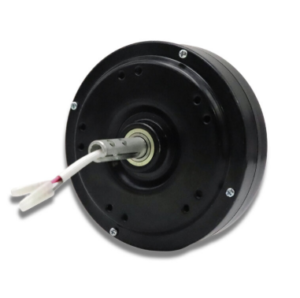
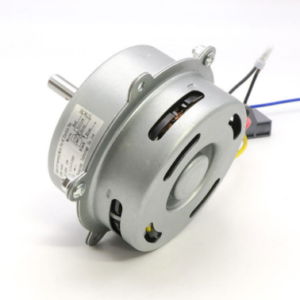
The motor of exhaust fan is the driving component responsible for rotating fan blades and generating airflow within ventilation systems.
Its primary functions include:
- Removing smoke and odors
- Extracting heat and humidity
- Improving indoor air circulation
- Supporting environmental safety
The performance of the motor significantly affects airflow capacity, energy consumption, vibration levels, and operational lifespan.
Types of Motor of Exhaust Fan Systems
Different ventilation environments require different motor technologies.
AC Induction Motors
AC motors are widely used in commercial and industrial exhaust systems.
Advantages
- Stable operation
- High durability
- Cost-effective manufacturing
- Suitable for continuous operation
Brushless DC Motors
Brushless DC technology is increasingly used in modern motor of exhaust fan systems.
Benefits
- Higher energy efficiency
- Lower operating noise
- Reduced maintenance requirements
- Longer service life
Brushless motors are especially popular in residential and smart ventilation systems.
Single-Phase and Three-Phase Motors
Single-Phase Motors
Commonly used for:
- Bathroom exhaust fans
- Residential kitchen ventilation
- Small commercial systems
Three-Phase Motors
Used in:
- Industrial ventilation systems
- Large commercial exhaust systems
- Heavy-duty airflow applications
Engineering Design of Motor of Exhaust Fan
Modern motor of exhaust fan systems require precise engineering optimization to ensure reliable performance.
Airflow Performance Optimization
Motor performance directly influences:
- Fan speed
- Air volume
- Static pressure
- Ventilation efficiency
Engineers optimize rotor design and electromagnetic performance to maximize airflow output.
Noise and Vibration Reduction
Low-noise operation is essential for indoor comfort.
Engineering Solutions
- Dynamic balancing systems
- Precision bearing alignment
- Low-vibration rotor structures
- Optimized airflow channels
These technologies significantly improve acoustic performance.
Thermal Management Systems
Continuous operation generates internal heat.
Cooling Solutions
- Improved ventilation pathways
- Heat-resistant insulation materials
- Efficient electromagnetic design
Thermal management improves motor lifespan and operational stability.
Materials and Component Engineering
Material selection is critical for high-performance motor of exhaust fan systems.
Copper Windings
Copper provides:
- High electrical conductivity
- Reduced energy loss
- Improved motor efficiency
Magnetic Core Materials
Silicon steel laminations are commonly used to improve magnetic efficiency and reduce heat generation.
Bearing Systems
High-quality bearings improve:
- Rotational stability
- Noise reduction
- Long-term durability
Ball bearings are commonly used in high-performance ventilation motors.
Housing Materials
Motor housings may use:
- Aluminum alloy
- Galvanized steel
- Engineering plastics
These materials improve structural strength and corrosion resistance.
Manufacturing Processes
High-quality motor of exhaust fan systems require advanced manufacturing technologies.
Precision CNC Machining
CNC machining ensures:
- Accurate shaft dimensions
- Precise bearing positioning
- Stable component assembly
Automated Winding Technology
Automated winding systems improve:
- Coil consistency
- Production efficiency
- Electrical performance stability
Dynamic Balancing
Balancing processes reduce:
- Vibration
- Noise
- Mechanical wear
Proper balancing improves long-term reliability.
Assembly and Testing
Manufacturers perform multiple inspections including:
- Voltage testing
- Noise testing
- Airflow testing
- Durability simulation
- Thermal performance evaluation
Zhengqiang Technology Group integrates advanced testing systems to ensure reliable motor of exhaust fan performance. Learn more at https://www.zqatech.com/
Applications of Motor of Exhaust Fan
Residential Ventilation
Applications include:
- Bathroom exhaust systems
- Kitchen ventilation fans
- Utility room airflow systems
Residential motors prioritize low noise and energy efficiency.
Commercial Kitchens
Commercial systems require:
- High airflow capacity
- Heat resistance
- Continuous operation stability
Commercial kitchen exhaust systems rely heavily on durable motor performance.
Industrial Ventilation
Industrial applications include:
- Manufacturing facilities
- Chemical processing systems
- Warehouse ventilation
- Dust extraction systems
Industrial motors must withstand demanding operating environments.
HVAC Systems
HVAC exhaust fans support:
- Air circulation
- Humidity control
- Indoor air quality management
Efficient motor performance improves overall HVAC efficiency.
Energy Efficiency and Smart Technologies
Modern motor of exhaust fan systems increasingly integrate intelligent technologies.
Variable Speed Control
Variable speed systems improve:
- Energy savings
- Airflow flexibility
- Noise reduction
Smart Sensors
Advanced systems may include:
- Humidity sensors
- Temperature control
- Automated airflow adjustment
These technologies improve user convenience and operational efficiency.
IoT and Smart Home Integration
Modern residential systems increasingly support:
- Mobile app control
- Smart home connectivity
- Remote monitoring systems
Intelligent control technologies continue expanding globally.
Maintenance and Lifecycle Management
Proper maintenance improves motor reliability and lifespan.
Preventive Maintenance
Recommended maintenance includes:
- Cleaning ventilation pathways
- Bearing inspection
- Electrical system testing
- Lubrication verification
Routine maintenance reduces downtime and improves operational stability.
Factors Affecting Lifespan
Motor durability depends on:
- Operating temperature
- Environmental humidity
- Load conditions
- Manufacturing quality
High-quality materials and precision engineering significantly extend service life.
Industry Trends and Future Development
Energy-Efficient Motor Technology
Manufacturers increasingly focus on:
- High-efficiency brushless motors
- Reduced power consumption
- Environmentally friendly systems
Compact Motor Design
Modern ventilation systems require:
- Smaller motor dimensions
- Higher airflow performance
- Lightweight structures
Intelligent Ventilation Systems
Future motor of exhaust fan technologies will increasingly support:
- AI-based airflow optimization
- Predictive maintenance systems
- Advanced sensor integration
Smart ventilation technologies continue reshaping the industry.
Why Choose Zhengqiang Technology Group?
Zhengqiang Technology Group provides advanced motor of exhaust fan solutions including:
- Precision motor engineering
- Intelligent manufacturing technologies
- High-efficiency motor systems
- OEM and ODM production support
- Global supply chain capabilities
With strong engineering expertise and advanced manufacturing systems, the company supports customers worldwide. Visit https://www.zqatech.com/ to learn more.
Conclusion
The motor of exhaust fan is a critical component in modern ventilation systems, directly affecting airflow efficiency, operational reliability, energy consumption, and environmental comfort. Through advanced engineering design, precision manufacturing, intelligent control systems, and optimized material selection, modern exhaust fan motors deliver stable and efficient performance across residential, commercial, and industrial applications.
As global demand for energy-efficient and intelligent ventilation systems continues growing, high-performance exhaust fan motor technologies will remain essential for future environmental control systems.
FAQ
What is the motor of exhaust fan?
It is the driving component that powers the fan blades and generates airflow in ventilation systems.
Where are exhaust fan motors used?
Residential bathrooms, commercial kitchens, industrial ventilation systems, and HVAC applications.
Why is motor quality important?
High-quality motors improve airflow efficiency, reduce noise, increase durability, and lower energy consumption.
What motor types are commonly used?
AC induction motors and brushless DC motors are the most common types.
Where can I find reliable exhaust fan motor solutions?
Visit https://www.zqatech.com/
📩 Contact Us
Looking for reliable motor of exhaust fan solutions with advanced engineering and global manufacturing capabilities?
Zhengqiang Technology Group is ready to support your OEM and industrial ventilation projects.
👉 Visit https://www.zqatech.com/ today and get your quote!