- Information Classification
HVAC Motor The Ultimate Guide to Types, Innovative 2025
Author | Zhengqiang Industry Insights Team
Updated | December 2025
Introduction
The Ventilation Motorplays a crucial role in heating, ventilation, and air conditioning systems. It is the heart of the HVAC unit, powering fans, compressors, and pumps that ensure the efficient operation of indoor climate control. In this comprehensive guide, we will explore what an Ventilation Motoris, its types, applications, and the latest advancements that are shaping the industry in 2025.
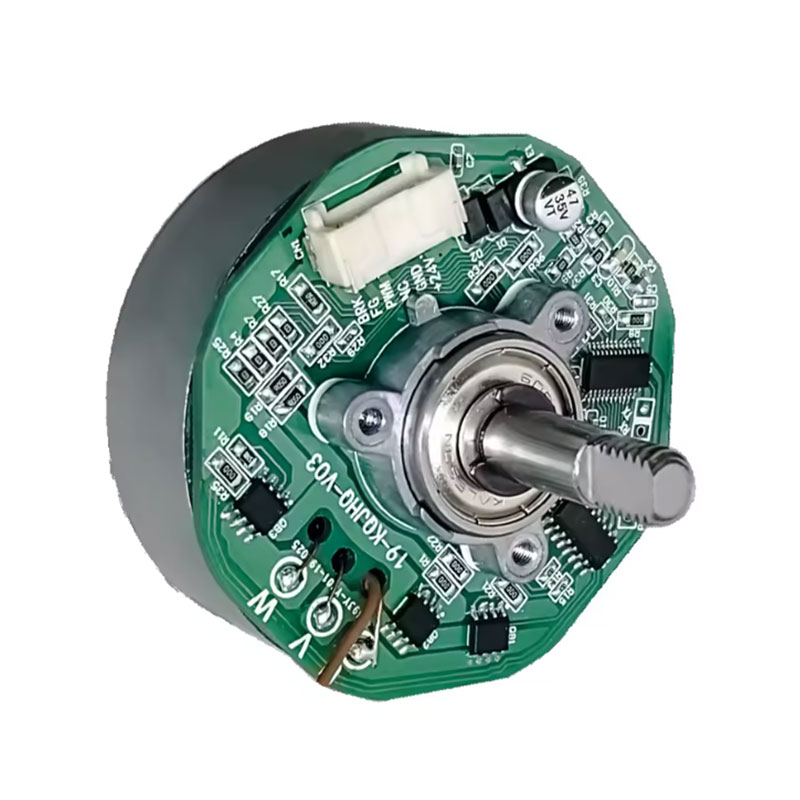
Understanding HVAC Motors: The Backbone of HVAC Systems
HVAC motors are electrical devices designed to drive various components within HVAC systems. These motors convert electrical energy into mechanical energy to facilitate the movement of air, water, and refrigerants. They are used in a variety of HVAC applications, including fan motors, compressor motors, and pump motors. Without the Ventilation Motor, an HVAC system would be unable to function effectively, as it would lack the energy to operate its moving parts.
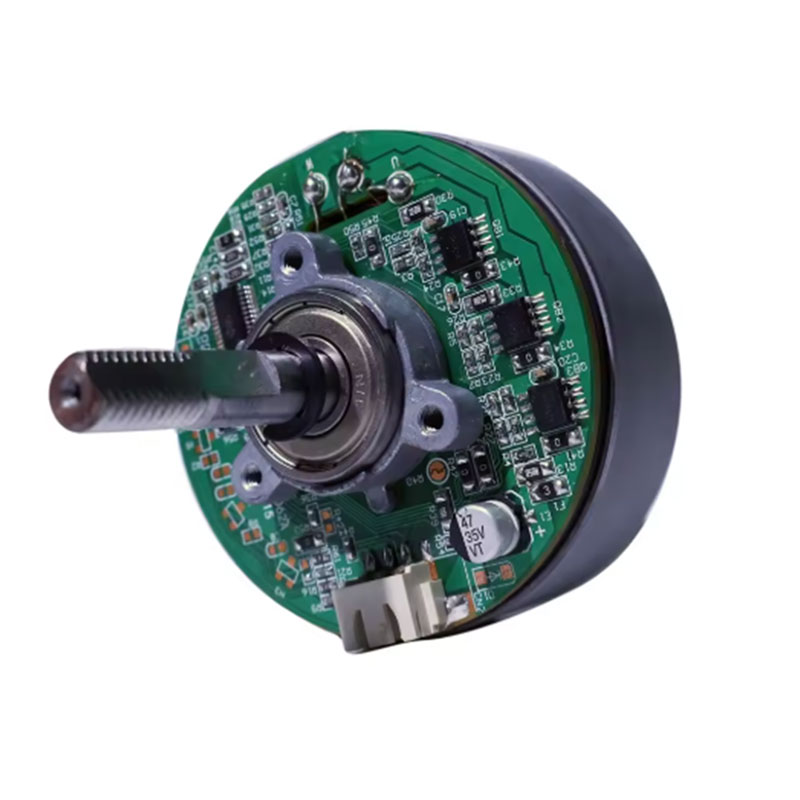
How HVAC Motors Work
The operation of an Ventilation Motor begins when electrical energy is supplied to the motor’s windings. This causes a magnetic field to form, which interacts with a rotor inside the motor, causing it to rotate. As the rotor spins, it drives the attached components of the HVAC system, such as the blower fan or compressor. The efficiency and durability of the Ventilation Motor are vital to ensuring long-term system performance.
Types of HVAC Motors
There are several different types of Ventilation Motor each suited to specific applications. Understanding these types is crucial for selecting the right motor for a given HVAC system.
Induction Motors
Induction motors are the most common type of Ventilation Motor. These motors are reliable, efficient, and relatively simple in design. They are typically used in applications like fan and blower motors.
Permanent Split Capacitor (PSC) Motors
PSC motors are a specific type of induction motor commonly found in HVAC systems. They are known for their energy efficiency and are often used in furnace blower fans and air handler motors.
Synchronous Motors
Synchronous motors are used in high-efficiency HVAC systems where precise speed control is required. These motors maintain a constant speed, making them ideal for specialized applications such as large commercial HVAC systems.
ECM Motors
Electronically Commutated Motors (ECM) are the most advanced Compressor Motor available today. These motors are highly energy-efficient, as they adjust their speed according to the needs of the system. They are increasingly used in modern HVAC units to improve energy savings and reduce operating costs.
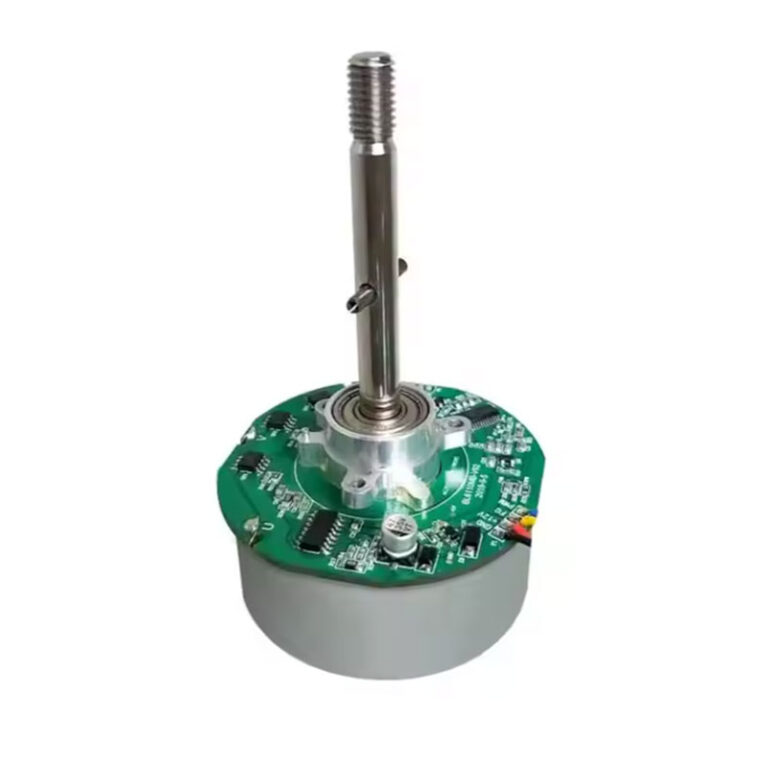
The Role of HVAC Motors in Energy Efficiency
Energy efficiency is a primary concern in modern HVAC systems, and Compressor Motor play a significant role in this aspect. Energy-efficient motors reduce electricity consumption and operating costs while contributing to a smaller carbon footprint.
How HVAC Motors Affect Energy Consumption
The efficiency of an Compressor Motordetermines how much energy is required to perform its tasks. Traditional motors often consume more electricity, leading to higher energy bills and increased environmental impact. On the other hand, high-efficiency motors, like ECMs, adjust their speed based on demand, resulting in less wasted energy and more savings over time.
Advances in HVAC Motor Technology for 2025
As we move toward 2025, Compressor Motor technology continues to evolve, with an increasing focus on smart, energy-saving systems. The integration of IoT (Internet of Things) in HVAC systems is expected to allow for more precise control of motor speeds, further optimizing energy usage and reducing costs.
Choosing the Right HVAC Motor for Your Needs
Selecting the correct HVAC motor is essential to ensure optimal performance and energy efficiency. Several factors must be considered when choosing an HVAC motor, including the motor’s power, efficiency rating, and compatibility with the HVAC system.
Key Considerations for Selecting HVAC Motors
-
Motor Power: The size and power of the motor should be aligned with the requirements of the HVAC system.
-
Efficiency Rating: Higher efficiency motors save on energy costs in the long run.
-
Compatibility: Ensure the motor type is suitable for the specific HVAC system, whether it’s an induction motor or ECM.
-
Application: Consider the specific application, whether it’s a fan, pump, or compressor.
Why Energy Efficiency Matters in 2025
With global concerns about energy consumption and sustainability, energy-efficient HVAC motors are becoming essential. In 2025, more homeowners and businesses are likely to prioritize HVAC systems with energy-efficient motors to reduce their carbon footprint and lower utility bills.
How to Maintain HVAC Motors for Longevity
Proper maintenance is crucial for ensuring the longevity and efficient operation of HVAC motors. Regular care can prevent costly repairs and extend the motor’s lifespan.
Basic HVAC Motor Maintenance Tips
-
Regular Cleaning: Dust and debris can accumulate in the motor, reducing efficiency. Cleaning the motor regularly is essential to maintain performance.
-
Lubrication: For motors with moving parts, regular lubrication helps prevent wear and tear.
-
Inspection: Routinely check the motor for any signs of wear, corrosion, or overheating.
Why Choose Zhengqiang Technology Group for Your HVAC Motor Needs?
Zhengqiang Technology Group is a high-tech enterprise specializing in the research, manufacturing, and global sales of precision components, including HVAC motors. Our focus on quality and innovation ensures that our motors meet the highest standards of performance and reliability.
Our Commitment to Innovation and Quality
At Zhengqiang, we are constantly evolving our motor technology to keep up with the latest trends in the HVAC industry. Our HVAC motors are designed to provide maximum energy efficiency, reliability, and durability, making them the ideal choice for both residential and commercial HVAC systems.
FAQ Section
What is the difference between an induction motor and an ECM motor?
Induction motors are more commonly used in HVAC systems and are generally simpler and cheaper, while ECM motors offer advanced speed control and higher energy efficiency, making them ideal for modern systems.
How can I improve the energy efficiency of my HVAC system?
Upgrading to an ECM motor is one of the most effective ways to improve energy efficiency. Regular maintenance, such as cleaning filters and checking for system leaks, can also contribute to better energy performance.
How long do HVAC motors last?
The lifespan of an HVAC motor typically ranges from 10 to 20 years, depending on maintenance, usage, and the type of motor.
Conclusion
HVAC motors are the essential components that power heating, ventilation, and air conditioning systems. Understanding the different types of HVAC motors, their role in energy efficiency, and how to maintain them can help improve the performance and lifespan of your HVAC system. As we look toward 2025, advancements in HVAC motor technology are making systems more energy-efficient and environmentally friendly than ever before. For high-quality, reliable HVAC motors, choose Zhengqiang Technology Group.
Contact us today to learn how our innovative HVAC motor solutions can improve your system’s performance and efficiency