- Information Classification
What is the Stator in a Motor? Learn Stators in Motors 2025
Author | Zhengqiang Industry Insights Team
Updated | December 2025
Introduction to the Stator in a Motor
The stat iscru components that makw andvital roleabsolut fski, a ded, ocurious about howfrustration anunnecessary downtim. In this articlecarefully explore what theundo essen
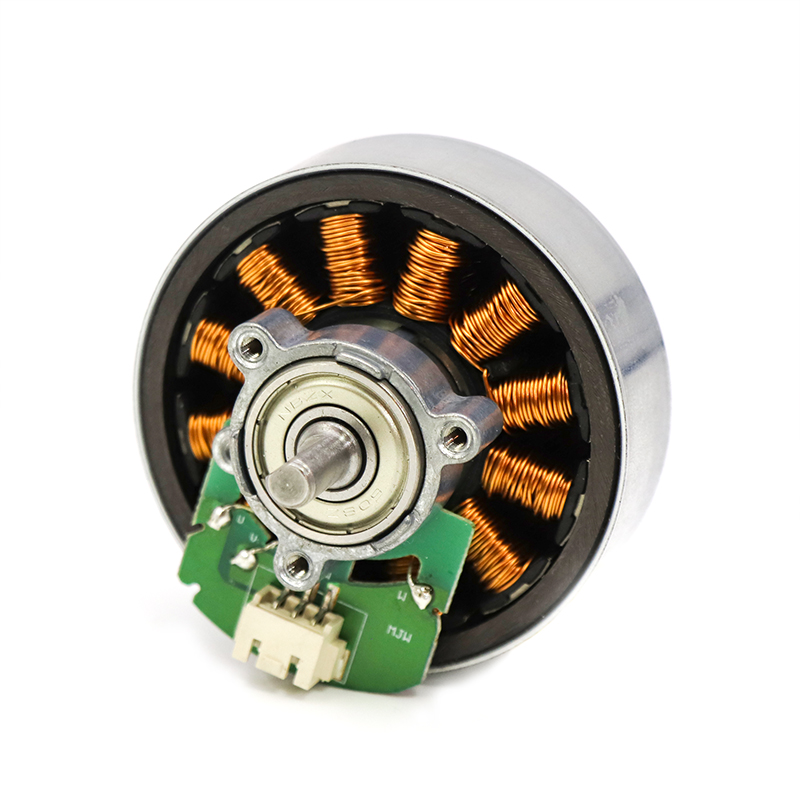
What is the Stator in a Motor?
The stator is the stationary part of an electric motor that interacts with the rotating part, known as the rotor. It consists of a series of coils that are responsible for generating the magnetic field required to drive the motor. The stator in a motor is made of laminated steel sheets to reduce energy loss and heat generation. It serves as the stationary counterpart to the rotor, ensuring the conversion of electrical energy into mechanical energy.
The Role of the Stator in Different Types of Motors
There are various types of electric motors, each with its own design and operation mechanism. The stator in a motor plays a crucial role in all of them, but the way it works may vary based on the type of motor:
-
Induction Motors
In an induction motor, the stator creates a rotating magnetic field, which induces a current in the rotor. This current then produces its own magnetic field, causing the rotor to turn. This is the most common motor type used in industries today. -
Synchronous Motors
In synchronous motors, the stator’s magnetic field rotates at a constant speed, which synchronizes with the rotor’s rotation. These motors are highly efficient and commonly used in large-scale applications. -
Brushless DC Motors
In brushless DC motors, the stator in a motor generates a magnetic field that interacts with permanent magnets on the rotor, eliminating the need for brushes. This design offers superior efficiency and low maintenance. -
Permanent Magnet Synchronous Motors (PMSM)
Similar to synchronous motors, PMSMs use the stator in a motor to generate a rotating magnetic field, but the rotor in these motors is made from permanent magnets. This makes PMSMs highly efficient and popular in applications requiring precision and low energy consumption.
How Does the Stator Work in an Electric Motor?
The operation of the stator in a motor is based on the principle of electromagnetism. When electrical current flows through the stator coils, it generates a magnetic field. This magnetic field interacts with the rotor, causing it to rotate and perform mechanical work. The stator’s design, materials, and construction directly impact the motor’s performance and efficiency.
-
Coil Design: The arrangement of coils on the stator affects the uniformity of the magnetic field generated.
-
Core Material: The stator’s core is made from materials like silicon steel to minimize losses due to eddy currents and improve efficiency.
-
Cooling Mechanisms: To avoid overheating, cooling systems such as air or liquid cooling are integrated into the stator design, ensuring longevity and optimal performance.
Why is the Stator in a Motor Important?
The stator is an essential part of the motor’s operation. Without it, the rotor would not be able to rotate, and the motor would fail to produce the mechanical energy required for various applications. Here are some reasons why the stator in a motor is so important:
-
Energy Conversion: The stator plays a key role in converting electrical energy into mechanical energy, making it the heart of any electric motor.
-
Efficiency: A well-designed stator reduces losses and increases the overall efficiency of the motor.
-
Durability: The quality and construction of the stator affect the motor’s durability and lifespan. High-quality stators ensure better reliability in the long run.
Materials Used in the Stator
The materials used in the stator in a motor can vary depending on the motor’s application and desired performance characteristics. Common materials include:
-
Laminated Steel
Laminated steel is the most commonly used material for stators. It reduces eddy currents, which can lead to energy losses. -
Copper Coils
Copper is used for the stator windings due to its excellent electrical conductivity, ensuring efficient energy transfer. -
Magnetic Materials
The use of high-quality magnetic materials in the stator’s core helps generate a strong and stable magnetic field, enhancing motor performance.
Challenges with the Stator in a Motor
While the stator in a motor is an essential component, it can also face certain challenges that affect motor performance. Common issues include:
-
Overheating: If the stator gets too hot, it can degrade the insulation and cause motor failure.
-
Wear and Tear: Over time, the stator coils can wear out, reducing motor efficiency.
-
Magnetic Losses: Poor design or low-quality materials can lead to excessive magnetic losses, decreasing the motor’s overall efficiency.
How to Improve the Performance of the Stator in a Motor
To ensure optimal performance and longevity of the stator in a motor, consider the following tips:
-
Regular Maintenance: Regularly check for signs of wear or overheating in the stator.
-
High-Quality Materials: Invest in high-quality materials, such as copper for the coils and laminated steel for the core, to enhance efficiency.
-
Proper Cooling: Ensure that the motor is properly cooled to prevent the stator from overheating.
Why Choose Zhengqiang Technology Group?
When it comes to precision manufacturing of stators and motors, Zhengqiang Technology Group stands out as a leading high-tech enterprise specializing in accessories processing, electronic components, and smart equipment development. With years of experience and expertise in stator manufacturing, Zhengqiang is committed to delivering high-quality products tailored to meet global standards.
Why Choose Us?
-
High-Quality Materials: We use premium materials to ensure the durability and efficiency of your motor’s stator.
-
Precision Engineering: Our state-of-the-art technology guarantees precise and accurate manufacturing of stators and other motor components.
-
Global Reach: We offer our products and services worldwide, ensuring that businesses around the globe have access to top-tier motor components.
Frequently Asked Questions (FAQs)
1. What is the function of a stator in a motor?
The stator generates a rotating magnetic field that interacts with the rotor, creating mechanical energy. It is essential for the motor’s operation and performance.
2. How does a stator contribute to the efficiency of a motor?
A well-designed stator ensures minimal energy loss, reduces heat generation, and improves the overall efficiency of the motor.
3. What materials are used to make stators?
Stators are typically made from laminated steel and copper windings, with high-quality magnetic materials for optimal performance.
4. Can a motor work without a stator?
No, the stator is essential for generating the magnetic field that drives the rotor, making it impossible for the motor to function without it.
Conclusion
In conclusion, the stator in a motor plays a vital role in ensuring that electric motors work efficiently and reliably. Whether you’re designing a new motor or maintaining an existing one, understanding the stator’s function and its importance can help improve performance and extend the lifespan of the motor. Choose Zhengqiang Technology Group for your stator manufacturing needs, and experience the quality and precision that drives your success.