- Information Classification
EV Charging Connector Housing: 5 Benefits of Alumina Ceramic - Guangdong Zhengqiang Technology Group
EV Charging Connector Housing: 5 Benefits of Alumina Ceramic
As EV charging power continues to increase, the materials used inside charging connectors need to provide reliable electrical insulation, thermal stability and dimensional accuracy.
An EV charging connector housing is more than a structural component. It helps separate and protect internal conductive parts while maintaining stable performance under electrical, thermal and environmental conditions.
For demanding charging applications, alumina ceramic provides a combination of electrical insulation, high-temperature resistance, dimensional stability and long-term durability that makes it an attractive material for selected connector components.
What Is an EV Charging Connector Housing?
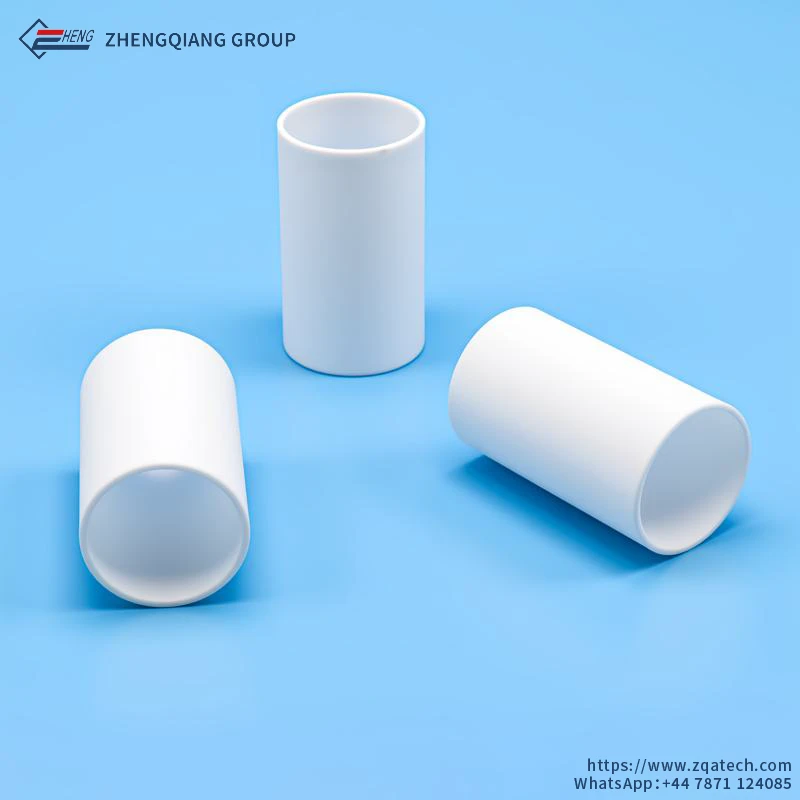
An EV charging connector housing is a structural and insulating component used to position and protect internal parts of a charging connector.
Depending on the connector design, the housing or insulating structure may need to accommodate conductive terminals while maintaining the required electrical separation between components.
The material therefore needs to meet several requirements at the same time:
- Electrical insulation
- Thermal stability
- Dimensional accuracy
- Mechanical stability
- Environmental durability
- Long-term performance
Plastic materials are widely used for many connector housings. However, certain high-performance applications require ceramic components when higher temperature stability, electrical insulation or dimensional stability is needed.
Why Does Material Selection Matter for EV Charging Connectors?
Charging connectors operate in environments where electrical, thermal and mechanical requirements interact.
As charging power increases, connector components may experience greater thermal and electrical demands. Environmental exposure can also include moisture, temperature changes and repeated use.
This means material selection can directly affect the reliability of the connector assembly.
Alumina ceramic is one option for applications where stable insulation and dimensional performance are important.
5 Benefits of Alumina Ceramic for EV Charging Connector Housing
1. Excellent Electrical Insulation
One of the main advantages of alumina ceramic is its excellent electrical insulation performance.
In an EV charging connector, insulating components need to maintain electrical separation between conductive parts.
Alumina ceramic can provide stable insulation performance and is therefore suitable for high-voltage electrical applications where insulation reliability is important.
For the alumina ceramic material grade shown in our product data, volume resistivity can reach ≥1000 GΩ·cm. Actual performance depends on the selected material formulation and component design.
2. High Temperature Resistance and Thermal Stability
Charging connector components may experience temperature changes during operation.
Alumina ceramic has excellent thermal stability and can maintain its structural and electrical properties under demanding temperature conditions.
For the material grade shown in our product information, thermal conductivity is ≥20 W/(m·K).
The appropriate ceramic grade should be selected according to the connector’s operating temperature, thermal design and performance requirements.
3. Excellent Dimensional Stability
Precision is important for EV charging connector components.
The ceramic housing must maintain its designed geometry so that internal components remain correctly positioned during assembly and operation.
Alumina ceramic provides excellent dimensional stability, making it suitable for precision components where maintaining shape and dimensions is important over long operating periods.
This can be particularly useful for components with tight dimensional requirements.
4. Long-Term Environmental Durability
EV charging equipment may be exposed to changing temperature, humidity and outdoor operating conditions.
Alumina ceramic provides excellent chemical stability and resistance to many environmental conditions.
Because it does not experience the same type of aging and deformation behavior as many polymer materials, ceramic can be considered when long-term dimensional and environmental stability is a priority.
The final component design should still account for sealing, mounting and the complete connector operating environment.
5. Reliable Performance for High-Voltage Applications
High-voltage charging systems require carefully designed insulation structures.
Alumina ceramic combines electrical insulation with mechanical and thermal stability, allowing one component to provide several important material functions.
This makes alumina ceramic a useful option for selected charging connector housings, insulating sleeves and other precision components.
Alumina Ceramic Housing vs. Plastic Housing
Plastic remains an important material for many connector housing designs because it offers excellent manufacturability and cost efficiency.
However, ceramic can provide different performance advantages.
| Property | Plastic Housing | Alumina Ceramic Housing |
|---|---|---|
| Electrical insulation | Good to excellent depending on grade | Excellent |
| High-temperature stability | Material dependent | Excellent |
| Dimensional stability | Material dependent | Excellent |
| Aging resistance | Material dependent | Excellent |
| Hardness | Moderate | High |
| Wear resistance | Material dependent | Excellent |
| Manufacturing flexibility | Very high | Requires ceramic processing |
| Cost | Generally lower | Generally higher |
The right material depends on the connector architecture, operating environment, performance requirements and target production volume.
Ceramic is not intended to replace plastic in every connector design. Instead, it can provide a high-performance option for specific components where its material advantages justify the design choice.
Where Is Alumina Ceramic Housing Used?
Alumina ceramic components can be considered for several EV charging and high-voltage applications.
High-Power DC Charging Connectors
High-power DC charging connectors require reliable insulation and stable component positioning.
An alumina ceramic housing can help provide electrical insulation and dimensional stability for selected internal connector components.
Fast Charging Infrastructure
Charging infrastructure components may need to operate through repeated charging cycles and changing environmental conditions.
Ceramic components can be selected when long-term insulation and dimensional stability are important design requirements.
High-Voltage Connector Components
Alumina ceramic can also be used for other precision insulating structures inside high-voltage connectors.
The exact component geometry and material grade should be determined according to the electrical, thermal and mechanical requirements of the connector.
How to Choose an Alumina Ceramic Housing
Selecting an alumina ceramic housing requires more than choosing a ceramic material.
Key considerations include:
Material Grade
Different alumina formulations can provide different combinations of insulation, strength, thermal conductivity and machinability.
Component Geometry
The housing must match the internal connector structure and maintain the required clearances and interfaces.
Dimensional Tolerance
Precision tolerances should be defined according to the mating components and connector assembly.
Thermal Requirements
Operating temperature and heat-transfer requirements should be considered during material selection.
Electrical Requirements
Insulation performance and the required electrical separation should be considered together with the complete connector design.
Manufacturing Process
Ceramic forming, sintering and precision machining need to be controlled according to the final component geometry and tolerance requirements.
Custom Alumina Ceramic Housing for EV Charging Connectors
Different EV charging connector designs require different ceramic geometries and dimensional specifications.
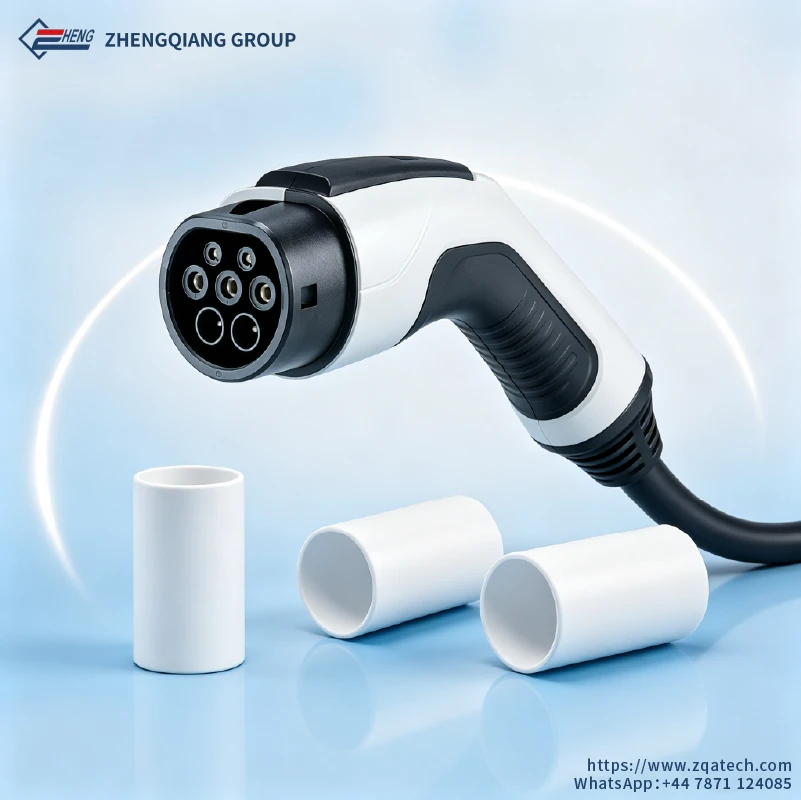
We provide customized alumina ceramic housing solutions according to customer drawings, samples and application requirements.
Our capabilities include:
- Customized ceramic housing
- Alumina ceramic insulating components
- Precision ceramic sleeves and housings
- Customized dimensions and geometries
- Precision machining
- ODM development support
From material selection and forming to sintering and precision machining, we work with customers to develop ceramic components for demanding electrical applications.
Why Choose an ODM Ceramic Housing Solution?
A standard ceramic component may not always match the geometry or performance requirements of a specific charging connector.
An ODM approach allows the ceramic component to be developed according to the connector structure and application conditions.
Customers can provide:
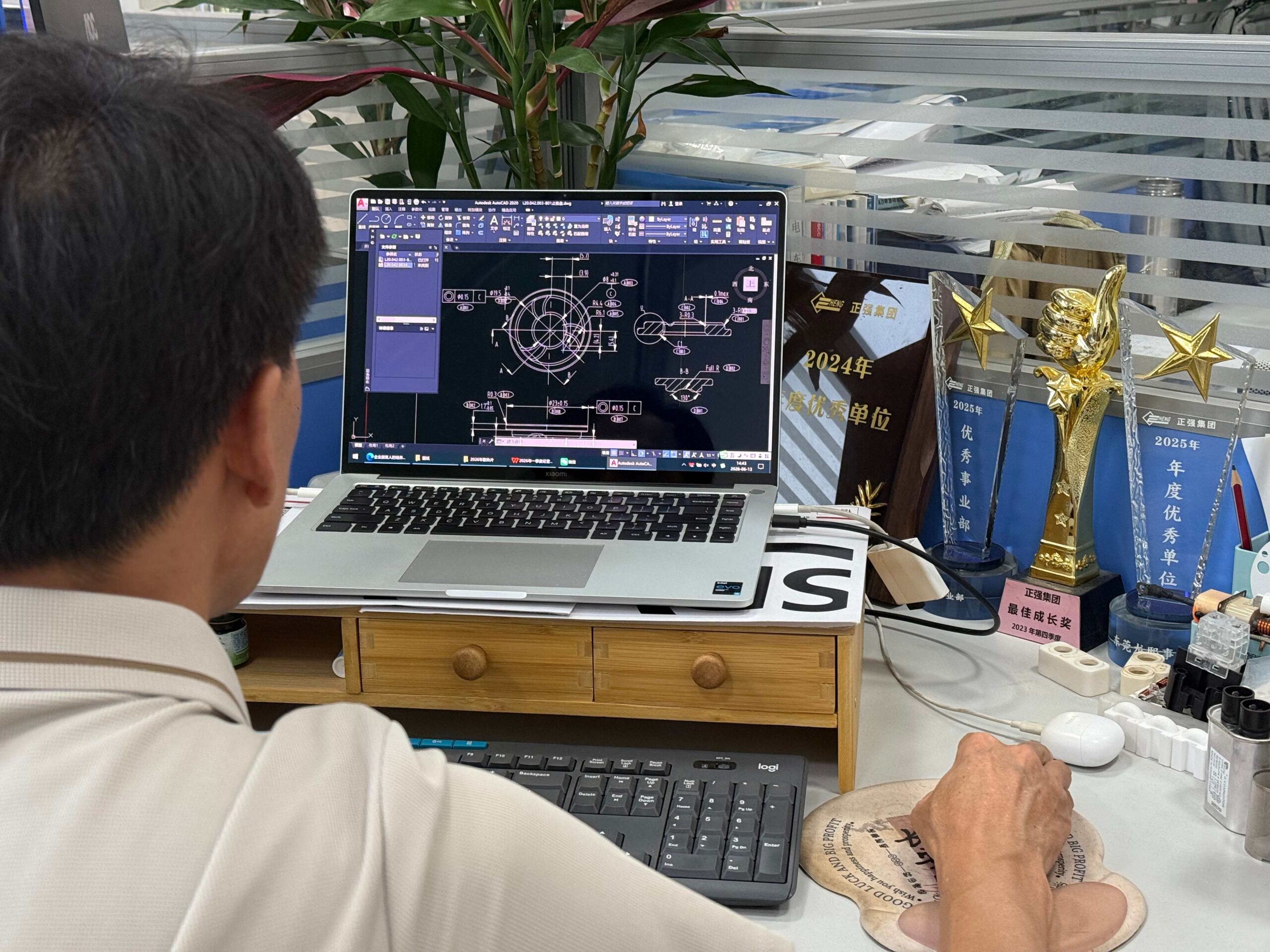
- 2D drawings
- 3D CAD files
- Existing samples
- Required dimensions
- Operating conditions
- Electrical requirements
- Thermal requirements
Our engineering team can then evaluate the material and component design for the intended application.
Conclusion
An EV charging connector housing needs to balance electrical insulation, thermal stability, dimensional accuracy and long-term reliability.
Alumina ceramic provides a combination of these properties and can be considered for selected charging connector housings, insulating structures and precision components.
Compared with conventional plastic solutions, alumina ceramic can provide higher hardness, excellent insulation, high-temperature stability and strong dimensional stability, although ceramic processing can involve higher manufacturing complexity and cost.
For EV charging connector manufacturers looking for customized ceramic components, the right material, geometry and tolerance should be selected according to the complete application requirements.
Looking for a custom alumina ceramic housing for an EV charging connector?
Send us your drawing, sample or application requirements for an engineering review and customized ODM solution.