- Information Classification
What Is Alumina (Al2O3)? Properties & Ceramic Applications
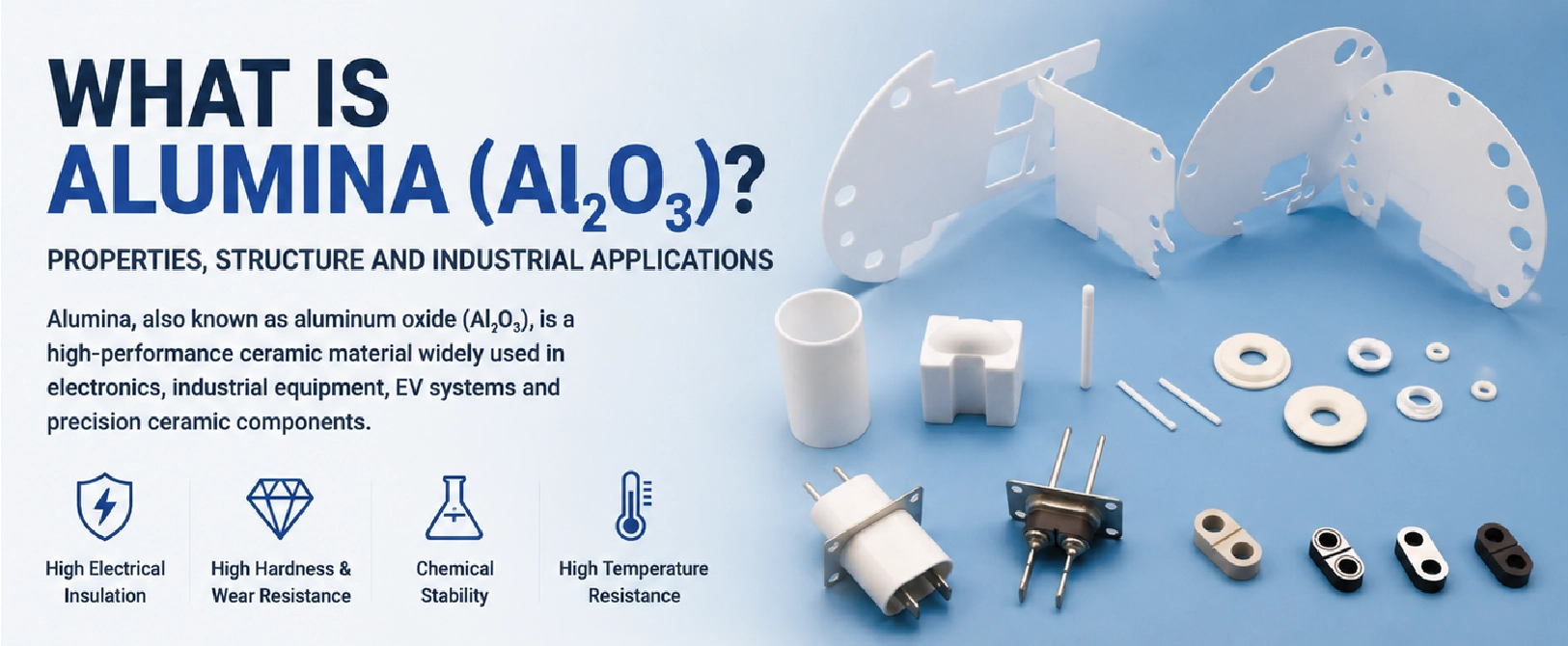
What Is Alumina (Al2O3)? Properties, Structure and Industrial Applications
What is alumina?
Alumina, also known as aluminum oxide (Al2O3), is one of the most widely used advanced ceramic materials in the world.
Due to its excellent electrical insulation, high hardness, wear resistance, chemical stability and thermal performance, alumina is widely used in electronic components, industrial machinery, EV systems, smart appliances and precision ceramic parts.
Unlike traditional materials such as metals and plastics, alumina ceramic provides stable performance in demanding environments where insulation, durability and reliability are required.
What Is Alumina Made Of?
Alumina is an oxide ceramic material mainly composed of aluminum and oxygen.
The chemical formula of alumina is:
Al2O3
The structure of alumina consists of aluminum ions and oxygen ions arranged in a stable crystal structure, which provides excellent mechanical strength and chemical stability.
Because of its stable atomic structure, alumina ceramic has become a preferred material for many engineering applications.

Alumina Properties and Performance Characteristics
1. High Electrical Insulation Performance
One of the most important alumina properties is its excellent electrical insulation capability.
Alumina ceramic can maintain reliable insulation performance under various operating conditions.
This makes alumina suitable for:
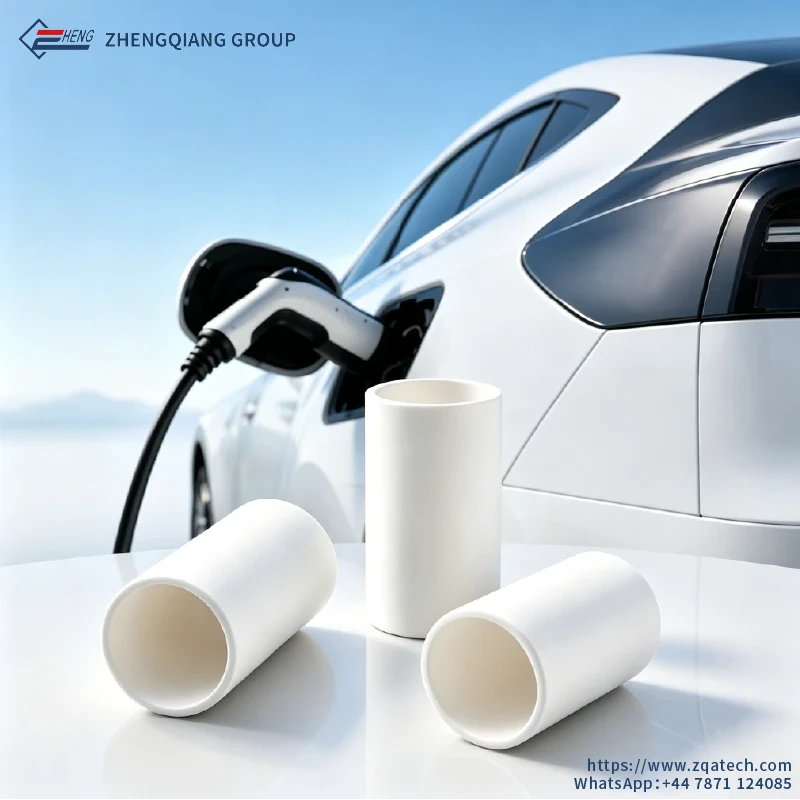
- EV charging system components
- Electrical insulation parts
- Electronic equipment
- Semiconductor components
In electric vehicle applications, alumina ceramic components help improve safety and long-term reliability.
2. High Hardness and Wear Resistance
Alumina has excellent hardness and wear resistance.
Because of these characteristics, alumina ceramic parts can withstand continuous friction and mechanical stress.
Common applications include:
- Ceramic shafts
- Bushings
- Pump components
- Wear-resistant parts
- Precision mechanical components
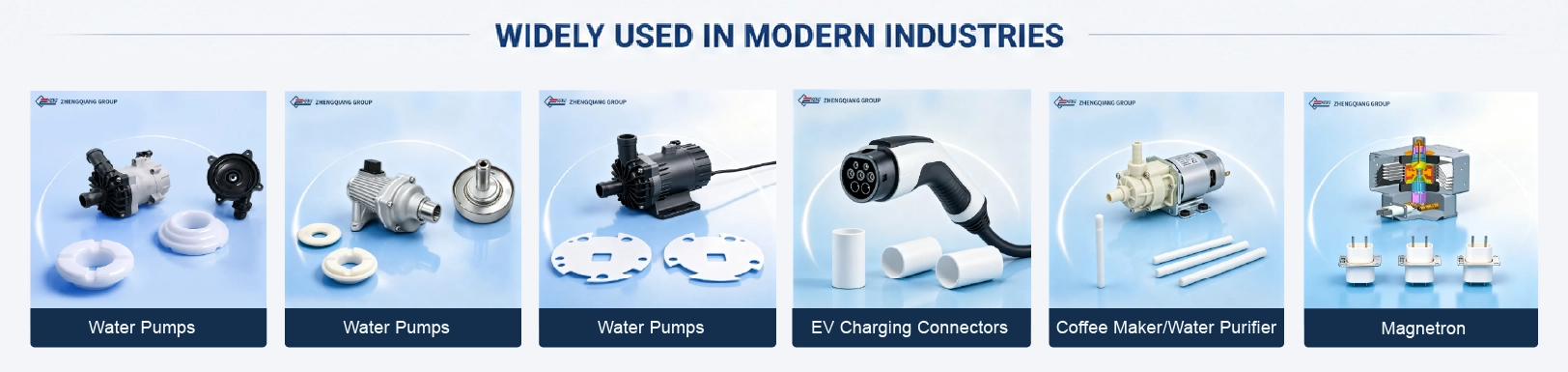
For example, alumina ceramic shafts are widely used in electric vehicle water pumps, coffee machines and water purification equipment due to their low friction and long service lif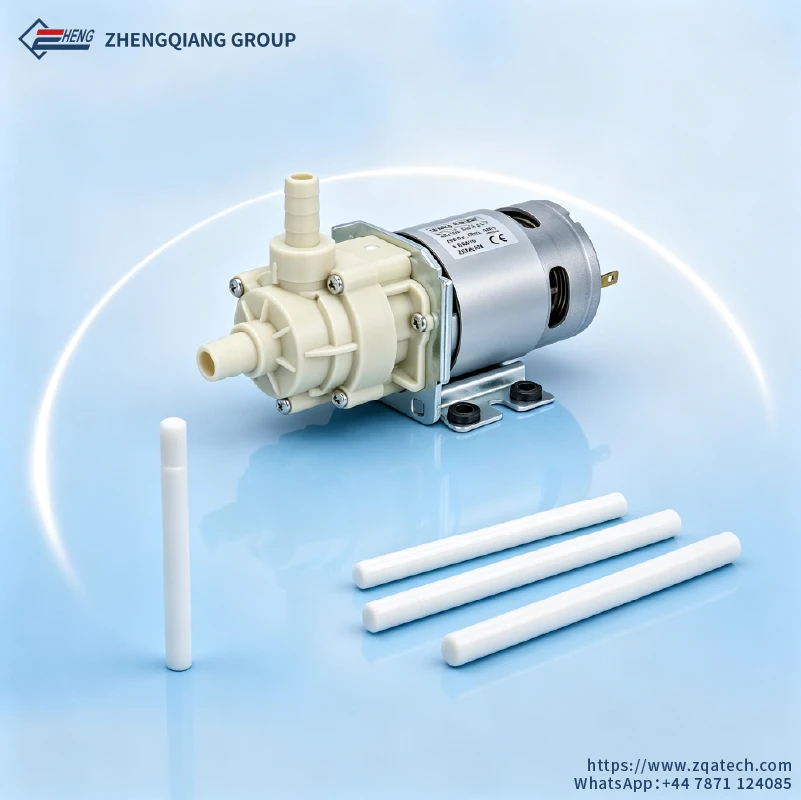 e.
e.
3. Chemical Stability and Corrosion Resistance
Another important alumina property is excellent chemical stability.
Alumina ceramic is resistant to many chemicals and corrosive environments.
Compared with metal components, alumina parts can provide longer service life in applications exposed to:
- Water
- Chemicals
- High humidity
- Industrial environments
4. High Temperature Resistance
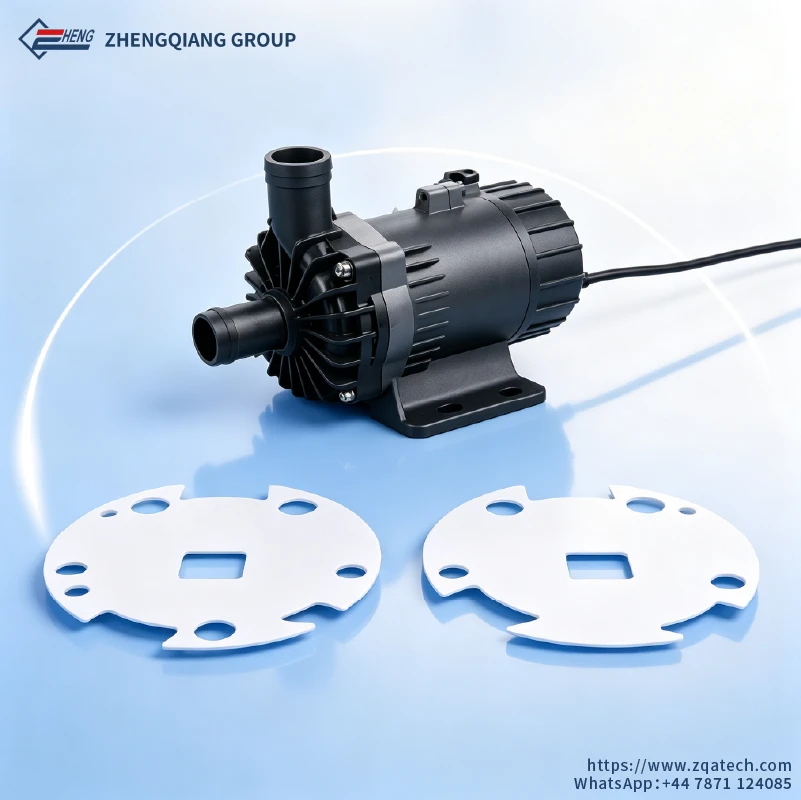
Alumina ceramic provides excellent thermal stability and can maintain its performance under high temperature conditions.
Because of its heat resistance, alumina is commonly used in:
- Industrial equipment
- Energy storage systems
- Electronic devices
- Thermal insulation components
Alumina Density and Material Characteristics
The density of alumina ceramic depends on the material grade and manufacturing process.
Typical high-purity alumina ceramic has a density around:
3.8 g/cm³
Higher density generally indicates a more compact ceramic structure, which contributes to:
- Higher mechanical strength
- Better wear resistance
- Improved durability
The final performance of alumina ceramic components depends on:
- Alumina purity
- Grain structure
- Sintering process
- Machining accuracy
Common Applications of Alumina Ceramic Components
Although alumina is a ceramic material, it is widely used in modern industries because of its balanced performance.
EV Charging Systems
Electric vehicle charging systems require reliable electrical insulation materials.
Alumina ceramic components provide:
- Excellent insulation
- Mechanical stability
- Long service life
Electric Vehicle Water Pumps
Alumina ceramic shafts are widely used in EV water pump applications.
Their wear resistance and smooth surface finish help reduce friction and improve operating reliability.
Coffee Machines and Water Purifiers
Precision ceramic shafts made from alumina are commonly used in household appliances.
Advantages include:
- Low wear
- Corrosion resistance
- Stable operation
Energy Storage Equipment
Energy storage systems require materials with reliable insulation and thermal stability.
Alumina ceramic components provide protection and stable performance in demanding environments.
Alumina Ceramic vs Other Ceramic Materials
Compared with zirconia ceramic, alumina provides:
| Property | Alumina (Al2O3) |
|---|---|
| Electrical insulation | Excellent |
| Hardness | Excellent |
| Wear resistance | Excellent |
| Chemical stability | Excellent |
| Cost efficiency | High |
Alumina is often selected when customers need a balance between performance, reliability and cost.
Custom Alumina Ceramic Components Manufacturer
We manufacture customized alumina ceramic components according to customer drawings, samples and application requirements.
Our products include:
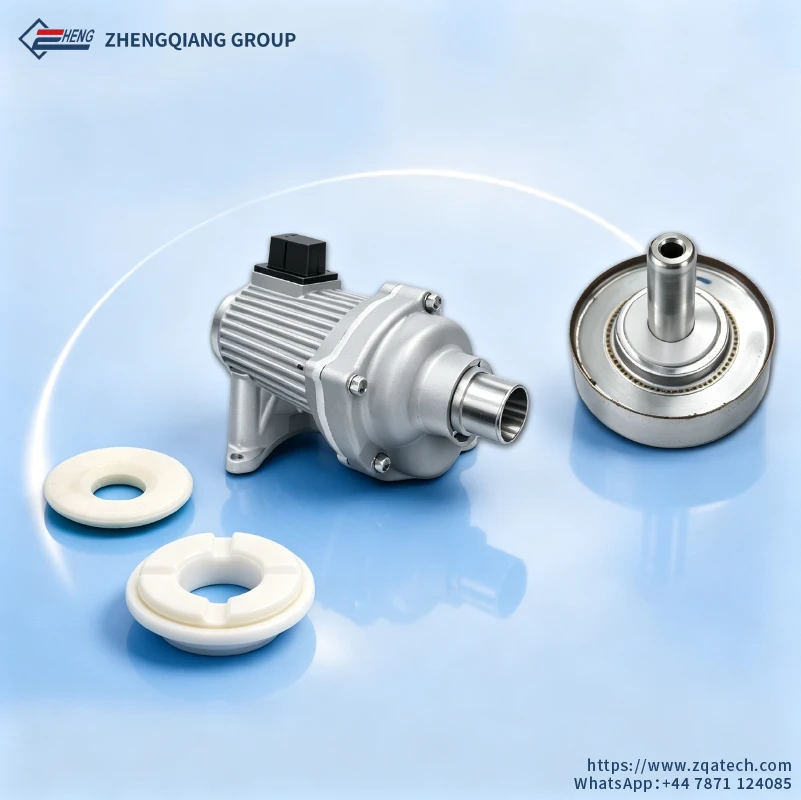
- Alumina ceramic shafts
- Ceramic bushings
- Ceramic rings
- Insulation components
- Precision ceramic parts
With advanced ceramic manufacturing technology, we provide reliable solutions for EV, industrial equipment, electronic devices and smart appliance applications.
Need Custom Alumina Ceramic Parts?
Our engineering team can help you select the right alumina material grade and develop ceramic components based on your application requirements.
Send us your drawings, samples or specifications for technical evaluation.
Contact our ceramic engineers today for a customized solution.